English
 русский
 Español
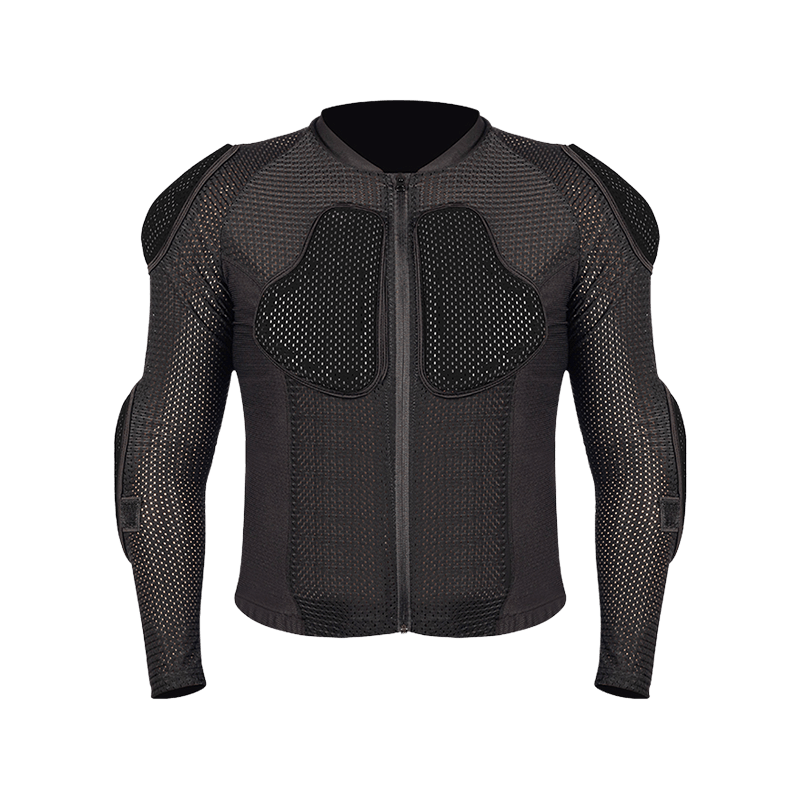
This Summer Motorcycle Breathable Protective Gear features comprehensive protection for safe riding ...
See Details
Date:Sep 11, 2026
Protective equipment is rarely used under identical conditions. Indoor courts, outdoor fields, cycling routes, training facilities, and contact-sport environments can place very different demands on materials and product construction. A protector suitable for one activity may not provide the same level of practicality in another. For sports brands, distributors, and OEM buyers, understanding these differences is important when developing or sourcing Sports Protective Gear that matches specific users, sports, and environments rather than relying on a generic design.
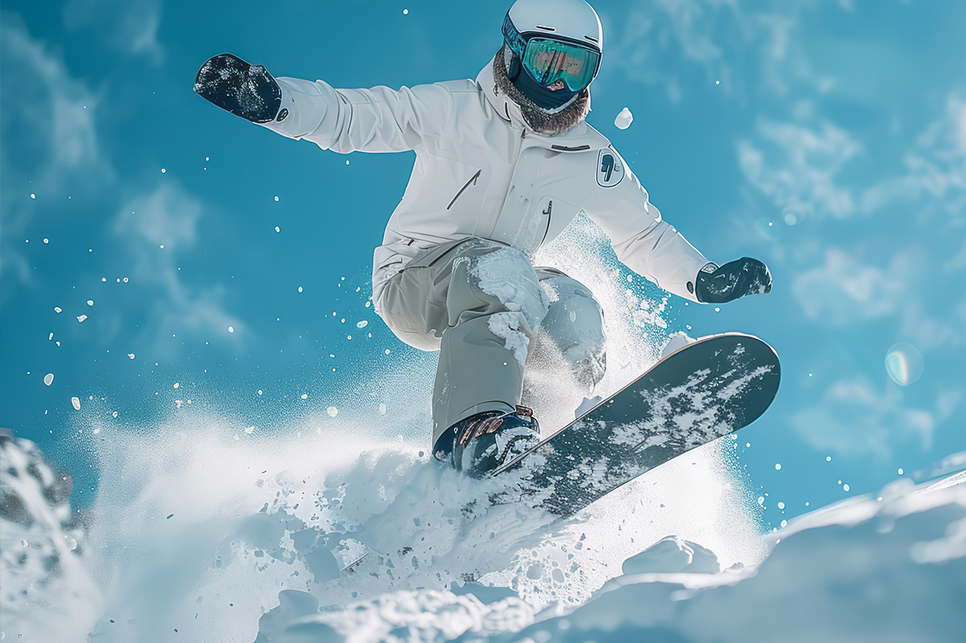
A useful protective product begins with an understanding of the activity it will support. The direction of movement, frequency of contact, typical impact areas, and duration of use can all influence the design.
For example, equipment intended for a sport involving frequent falls may require a different protective structure from products designed mainly for collision or repetitive movement. Manufacturers need to study these application differences before deciding on padding, shells, straps, fabrics, and connection methods.
This application-first approach can also help buyers avoid purchasing products that technically fit a category but are not well suited to their target market.
Outdoor sports expose protective equipment to conditions that may not occur in controlled indoor environments. Dust, moisture, temperature changes, sunlight, and repeated handling can all influence the product experience.
Manufacturers therefore need to consider the complete material combination rather than selecting fabrics or protective components independently. Outer materials, padding, fasteners, stitching, and surface finishes should be evaluated according to the expected environment.
For overseas buyers, regional climate and usage conditions can also be useful considerations when discussing product specifications with a supplier.
For contact-oriented activities, protective components need to remain properly positioned during movement. A protector that shifts easily may become uncomfortable and less practical during active use.
The relationship between padding, protective shells, straps, elastic sections, and fastening points is therefore important. Manufacturers can improve product stability by designing these elements as an integrated system rather than treating each component separately.
For OEM customers, this is also an area where pattern changes or customized fastening structures may help create a product better suited to a specific sport.
Cycling equipment provides another example of application-specific design. Riders may experience falls involving different body positions and impact directions, while equipment must remain compatible with frequent movement.
Manufacturers may need to balance protective coverage with flexibility around joints and other active areas. Padding shape, shell construction, ventilation, and attachment methods can all influence how naturally the product works during riding.
The same principle applies to other sports: protective coverage should be designed around actual movement rather than added independently from the rest of the equipment.
Indoor sports may avoid some outdoor environmental factors, but repeated training can create different challenges. Athletes may wear protective equipment for long periods, making comfort, ventilation, fit, and ease of adjustment particularly relevant.
For sports clubs and commercial buyers, products also need to be practical to clean, store, and distribute among users when equipment is shared. Material selection and construction can therefore influence not only athletic performance but also day-to-day product management.
Sports brands increasingly serve users with different preferences, body types, activities, and levels of participation. A single standard configuration may not be suitable for every market segment.
As a manufacturer, we work with OEM customers to evaluate product requirements before production, including protective areas, material combinations, sizing, fastening systems, colors, surface finishes, and packaging.
Customization can be especially valuable for distributors developing private-label products. Instead of competing only through appearance, brands can build product ranges around specific sports and usage scenarios.
A customized design still needs to remain practical to manufacture. For overseas buyers, consistent production is important because products supplied to different markets should maintain stable construction, appearance, and assembly quality.
Our manufacturing process coordinates material preparation, cutting, sewing, molding or protective component assembly, finishing, and inspection according to the product structure. This helps OEM customers move from sample development to repeat production with greater confidence.
There is no single design approach that fits every sport. Outdoor conditions, movement patterns, impact risks, training duration, and user requirements all influence the most appropriate construction.
For international distributors, sports brands, and OEM procurement teams, discussing the intended application with an experienced manufacturer can help avoid unnecessary features while focusing investment on the areas that matter to the end user. With application-specific engineering and controlled manufacturing, Sports Protective Gear can be developed as a practical solution for the demands of different athletic environments.
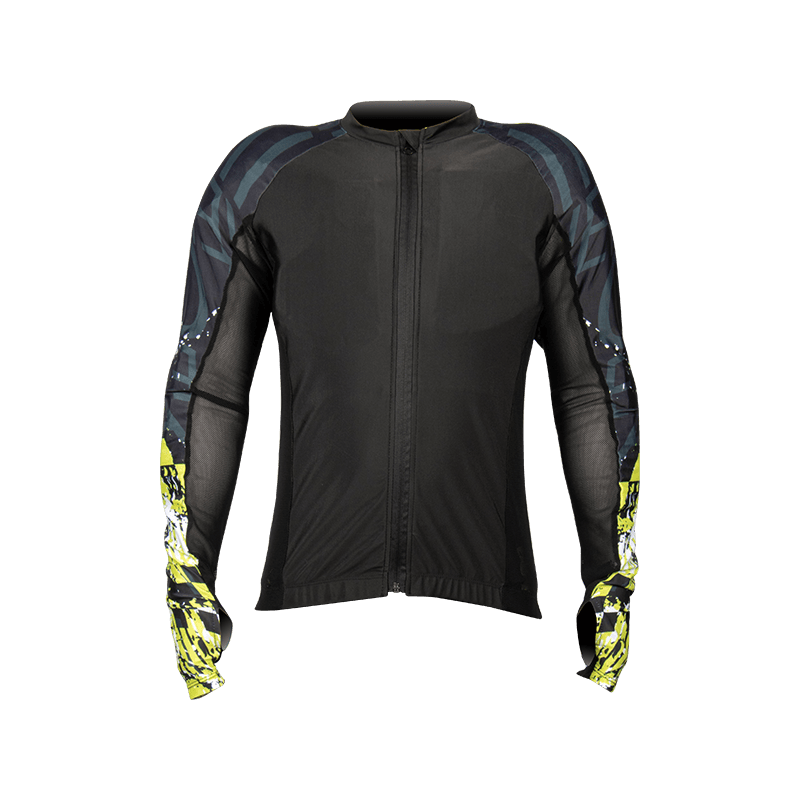
This Summer Motorcycle Breathable Protective Gear features comprehensive protection for safe riding ...
See Details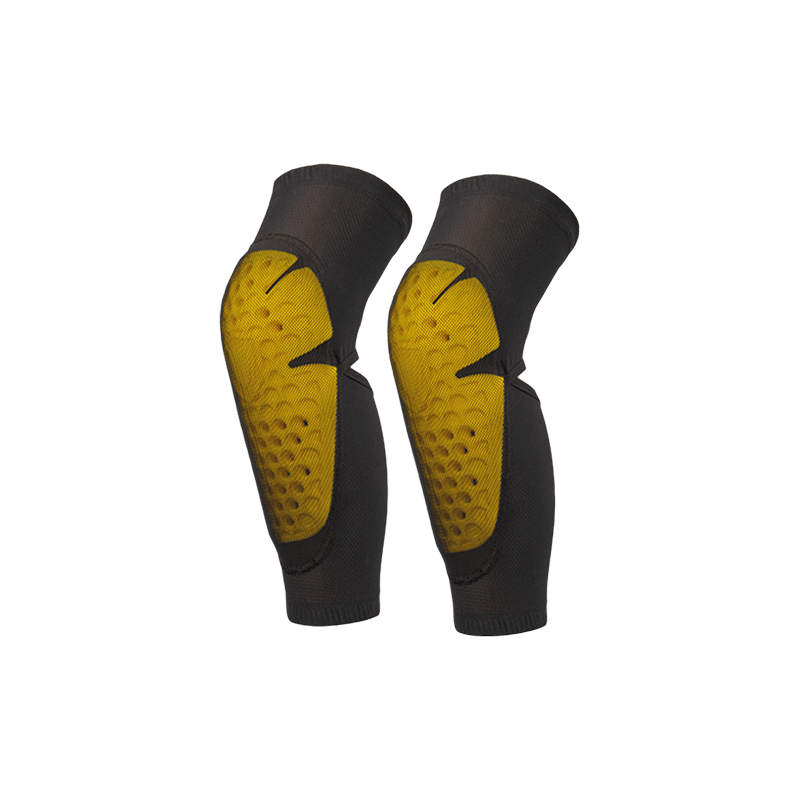
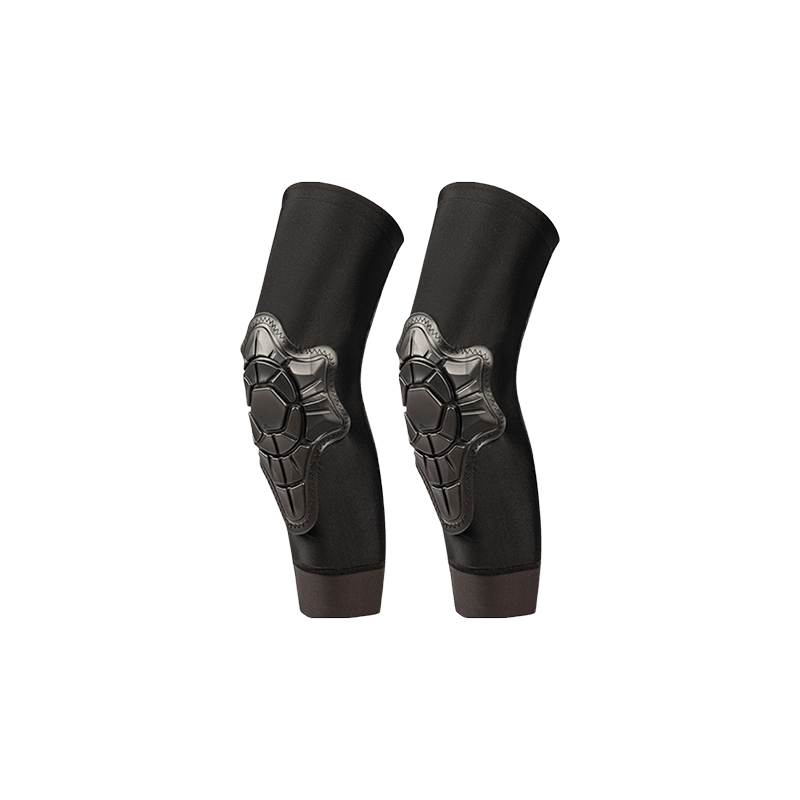
The Breathable Anti-Collision Ice Silk Fabric Knee and Elbow Pad provides professional protection fo...
See Details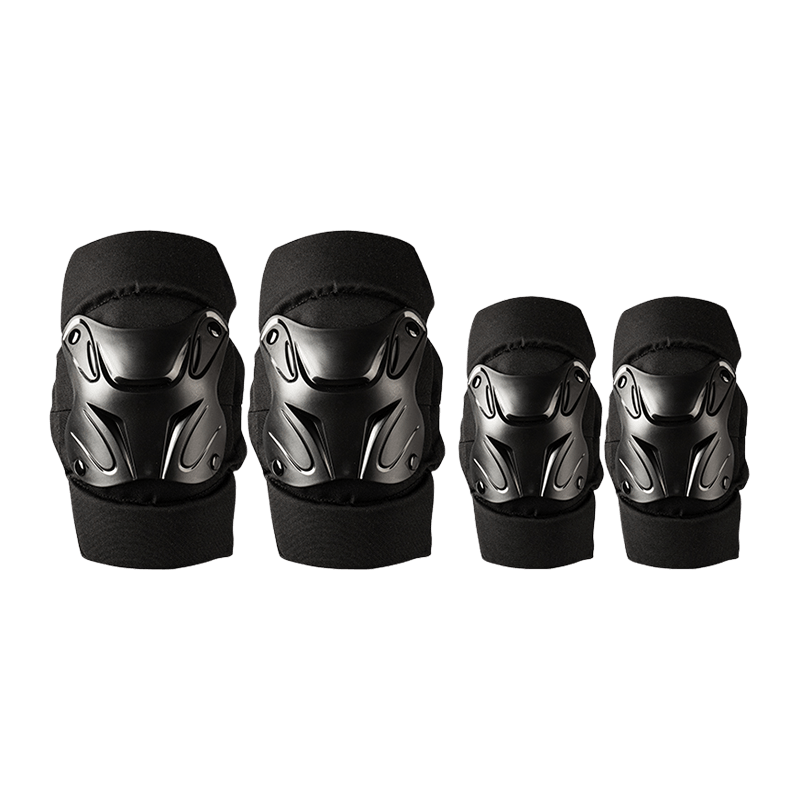
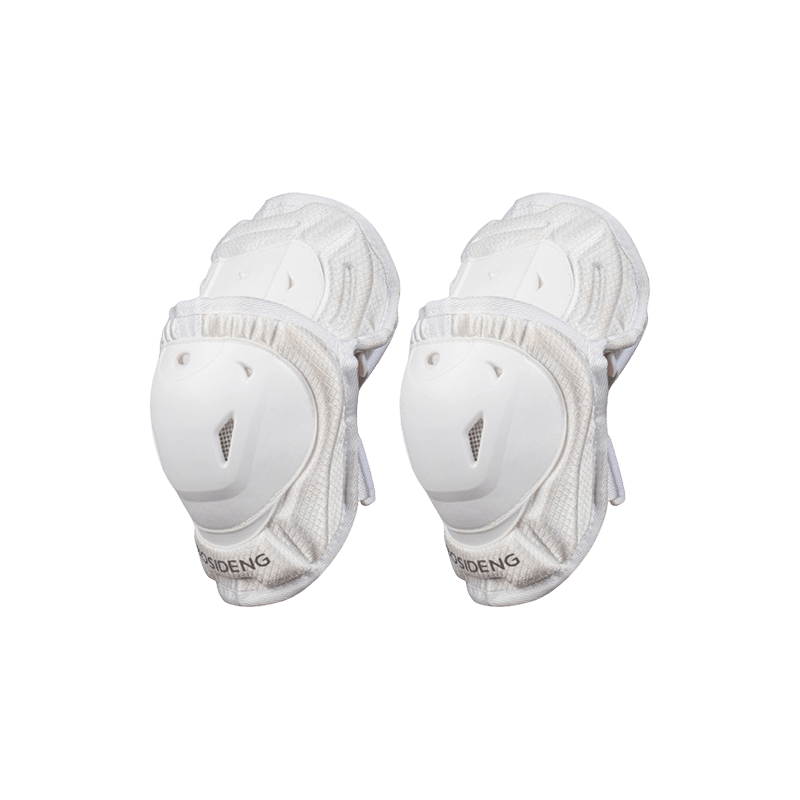
Our Adjustable Knee Pads and Elbow Pad Protectors are suitable for cycling and racing enthusiasts, p...
See Details二维码


OEM Sports Safety Gear