Understanding Motorcycle Protective Equipment: Knee Pads, Body Armor, and Full Riding Gear
Riding a motorcycle is often described as a mix of freedom and control, but anyone who has spent time on the road knows how quickly conditions can change. Protective gear isn’t just about meeting safety standards—it’s about how your body responds in a real impact, a slide, or even a low-speed drop in traffic. Among the most essential pieces are motorcycle knee pads, motorcycle body armor, and complete motorcycle gear systems.
What follows is a practical breakdown of how each one actually works in real riding situations, how they differ, and how riders typically combine them depending on their riding style.
Motorcycle Knee Pads: Focused Protection Where Impacts Happen Most
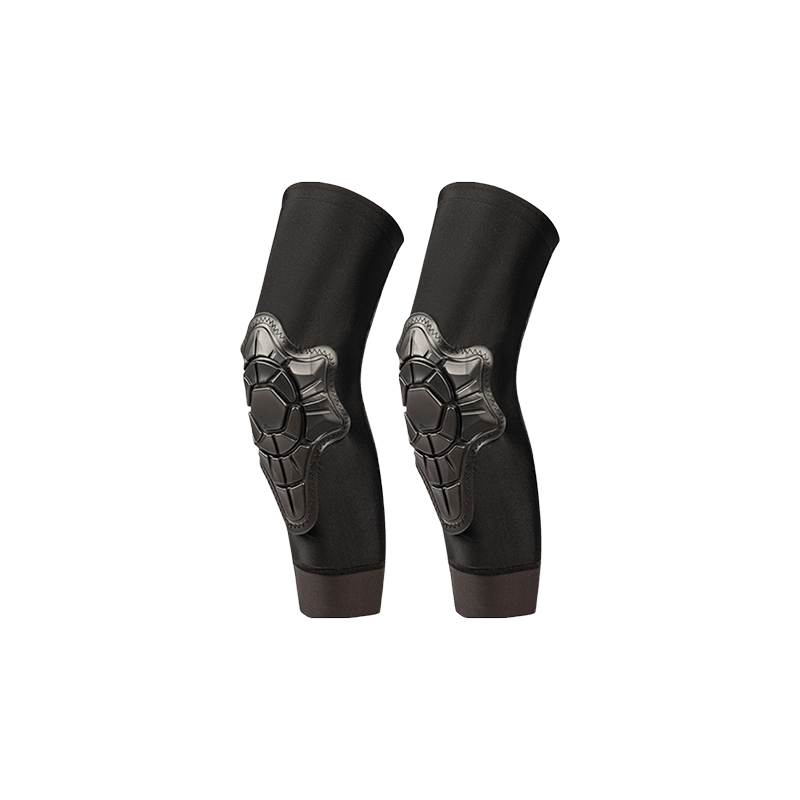
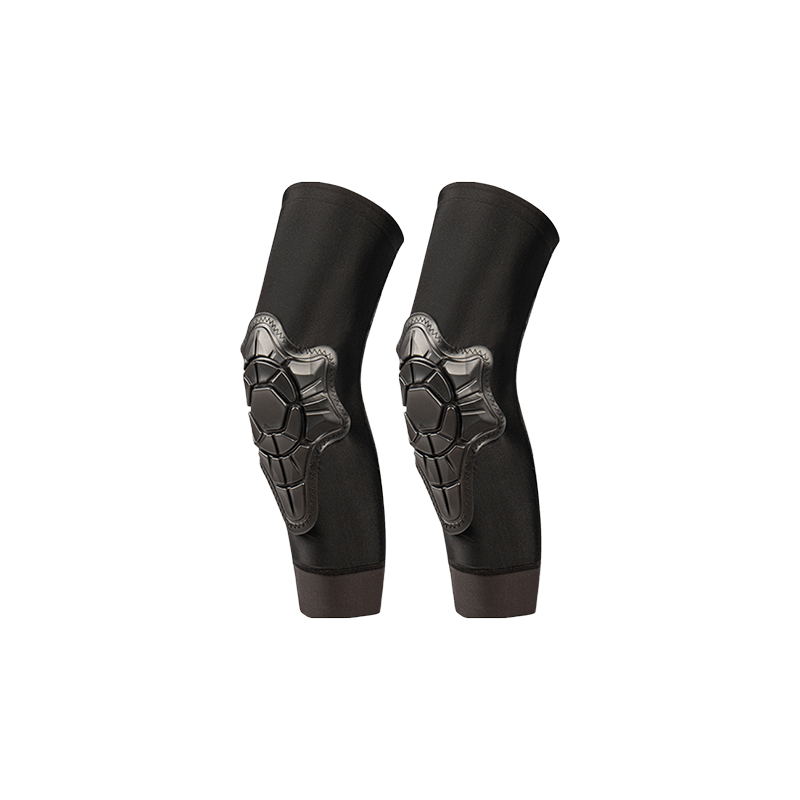
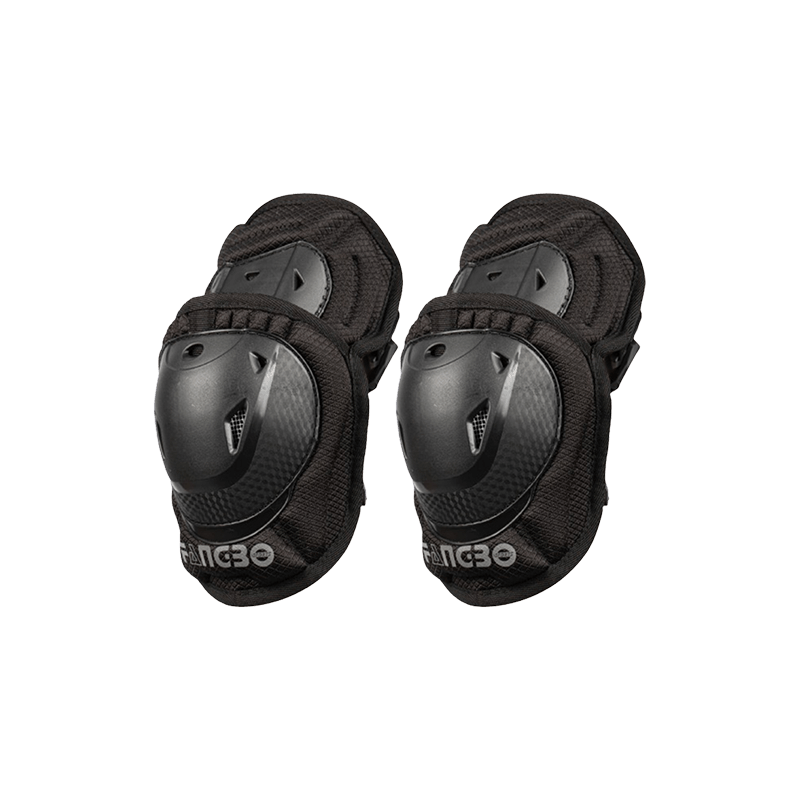
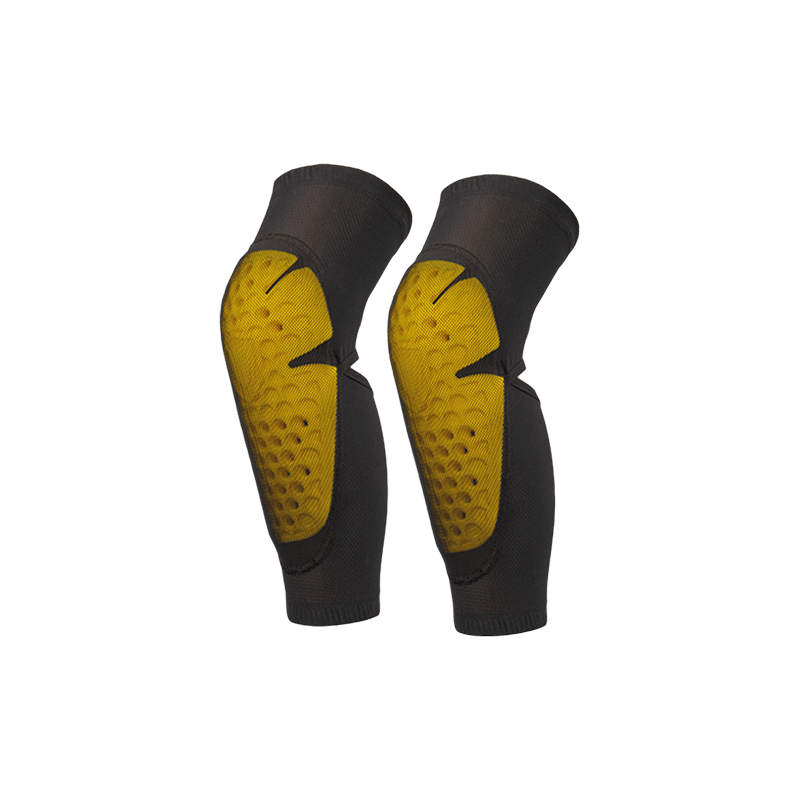
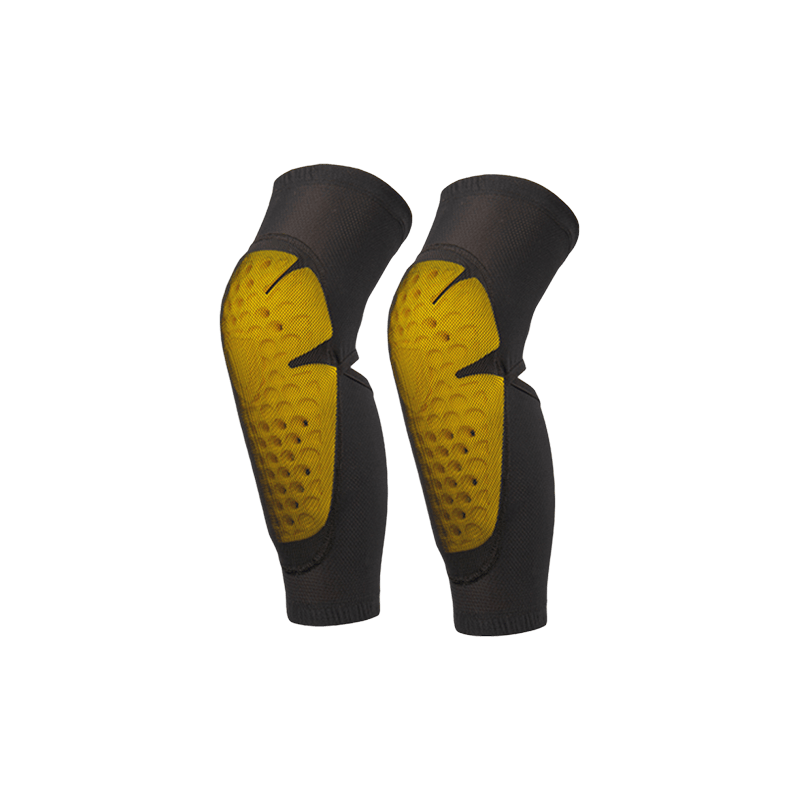
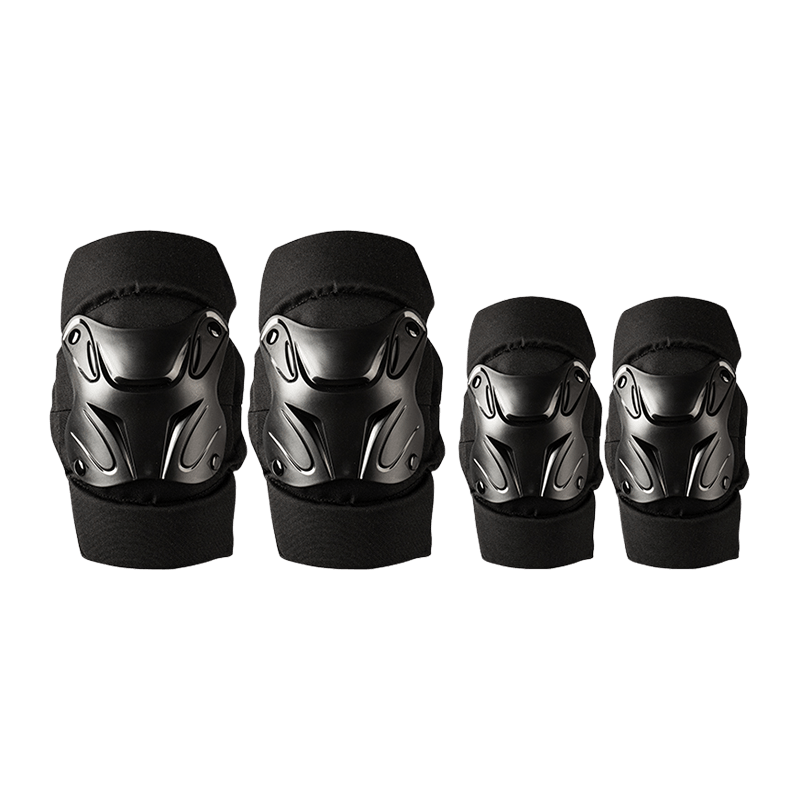
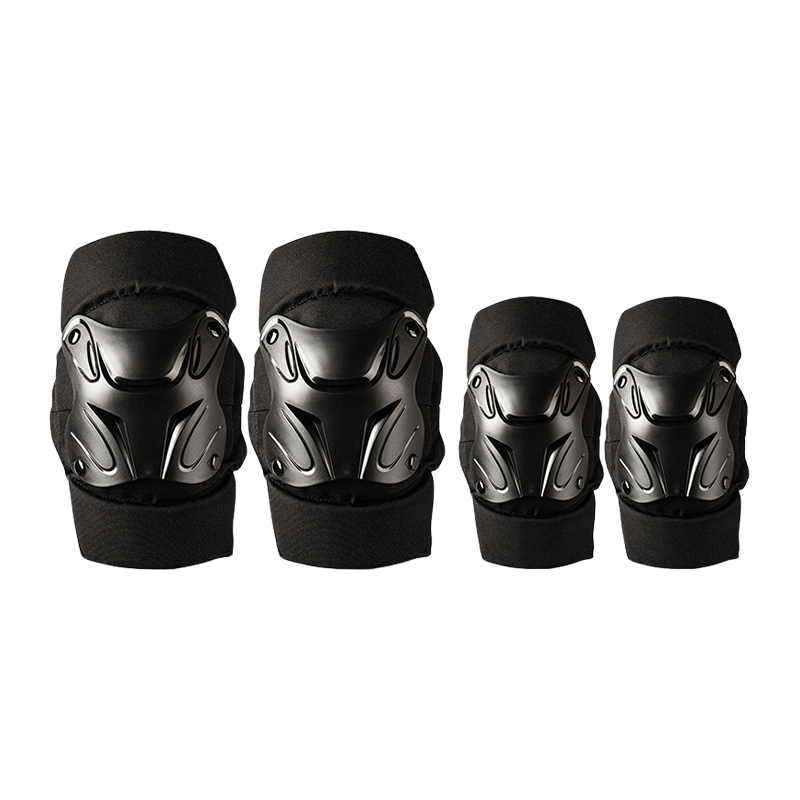
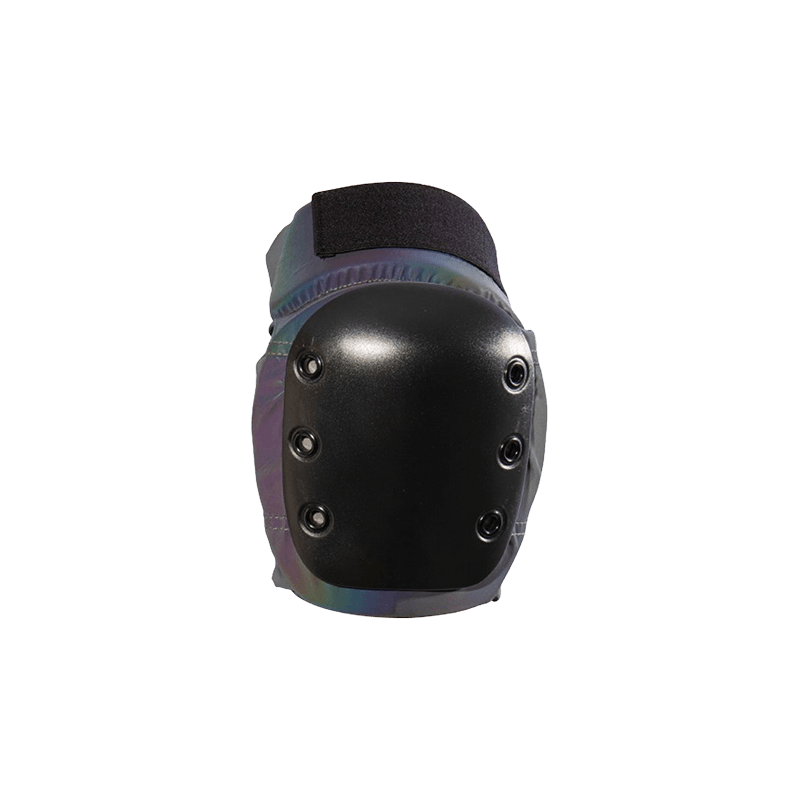
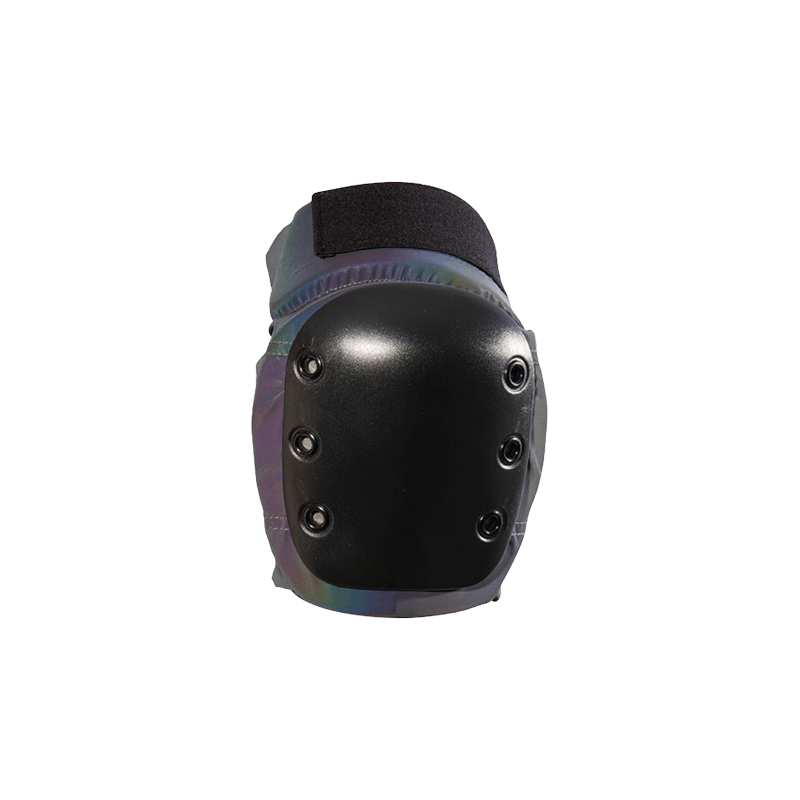
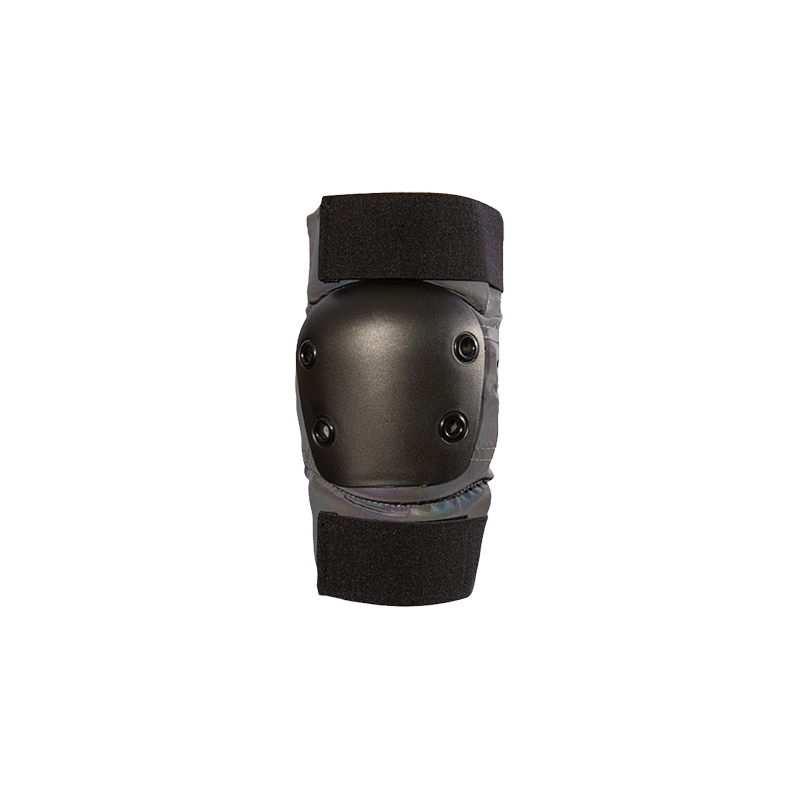
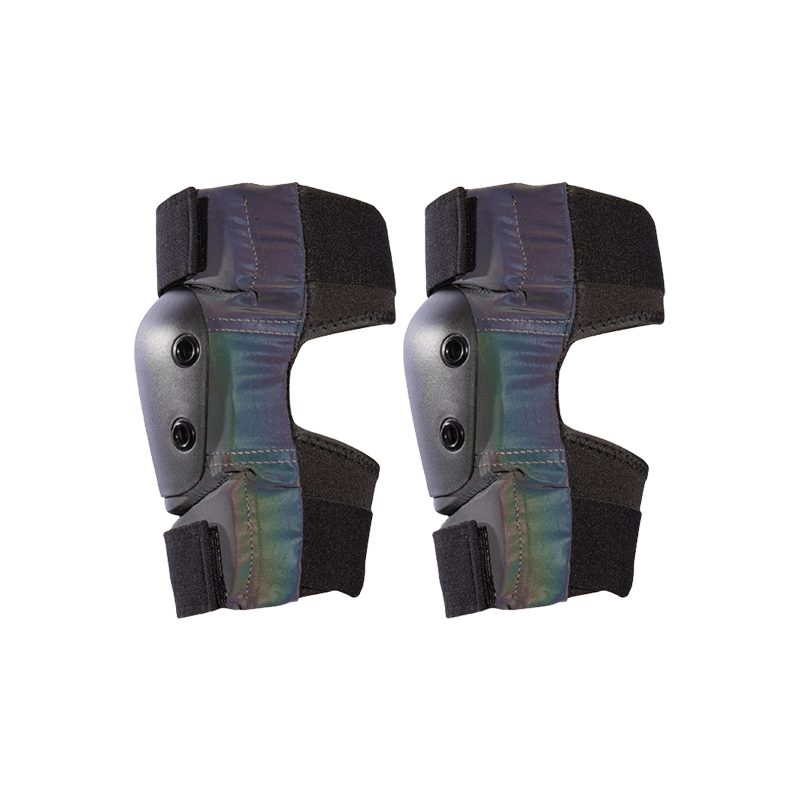
Motorcycle knee pads are designed for one very specific job—protecting the knee joint during direct impact or sliding contact with the road.
In real riding scenarios, knees are one of the first points to hit the ground in both low-speed and high-side accidents. That’s why riders often look for terms like “motorcycle knee pads for street riding” or “off-road dirt bike knee protection gear” when choosing equipment.
What they actually do
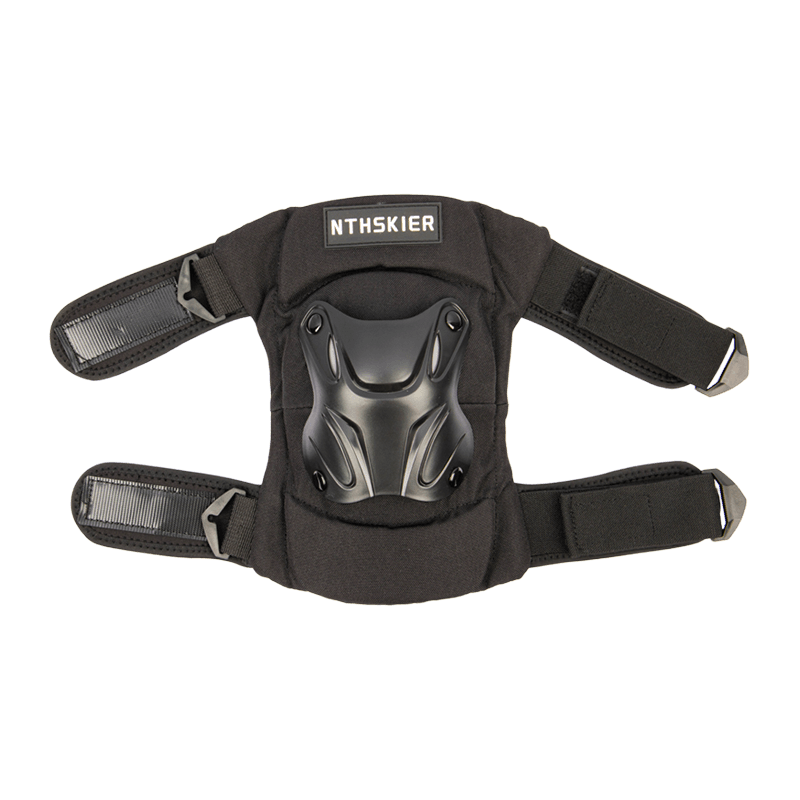
Modern knee pads usually combine:
- Hard outer shells to deflect impact force
- Shock-absorbing foam (EVA or memory foam) for compression reduction
- Adjustable straps or sleeves to keep positioning stable during movement
The key function is not just blocking impact—it’s preventing twisting injuries and reducing direct force transfer to the joint.
Where they are most useful
- City commuting with frequent stops and starts
- Dirt biking or motocross where falls are more common
- Long-distance touring where fatigue increases accident risk
Riders searching for “comfortable motorcycle knee pads under riding pants” usually prioritize low-profile designs that don’t restrict movement during long rides.
Motorcycle Body Armor: Distributed Protection for High-Impact Zones
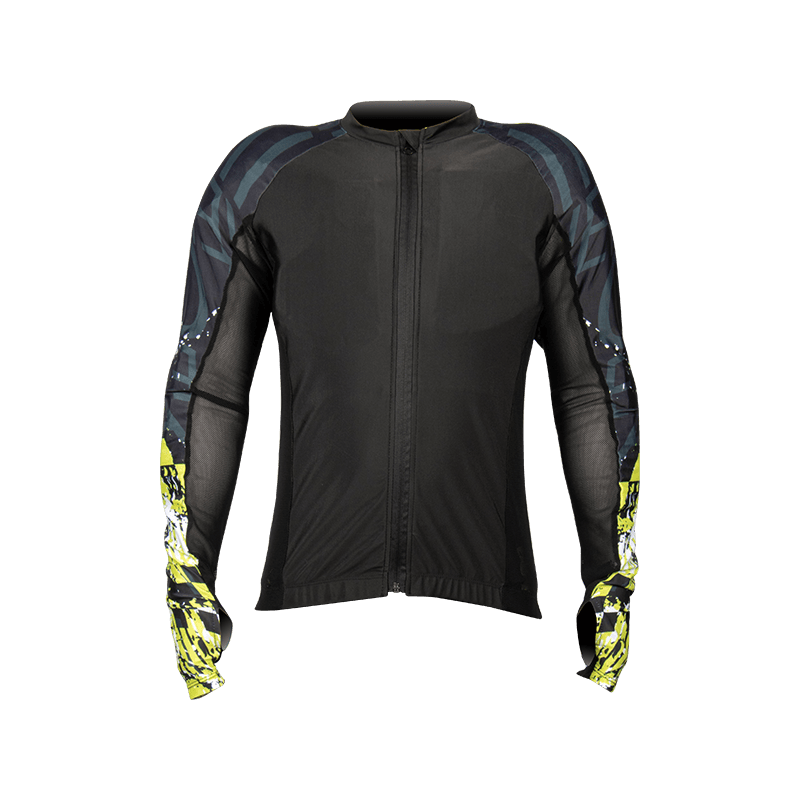
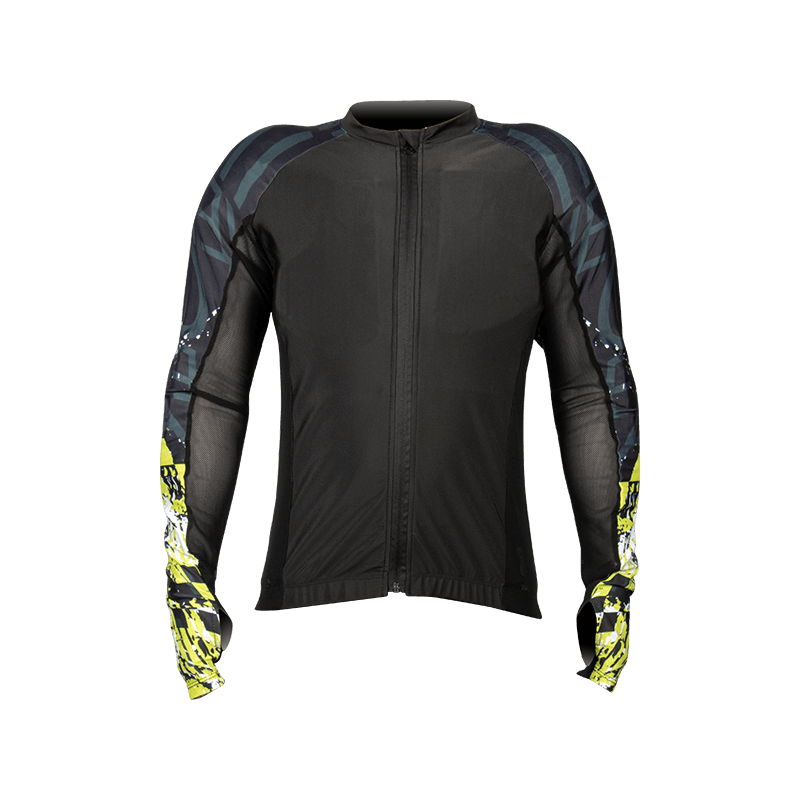
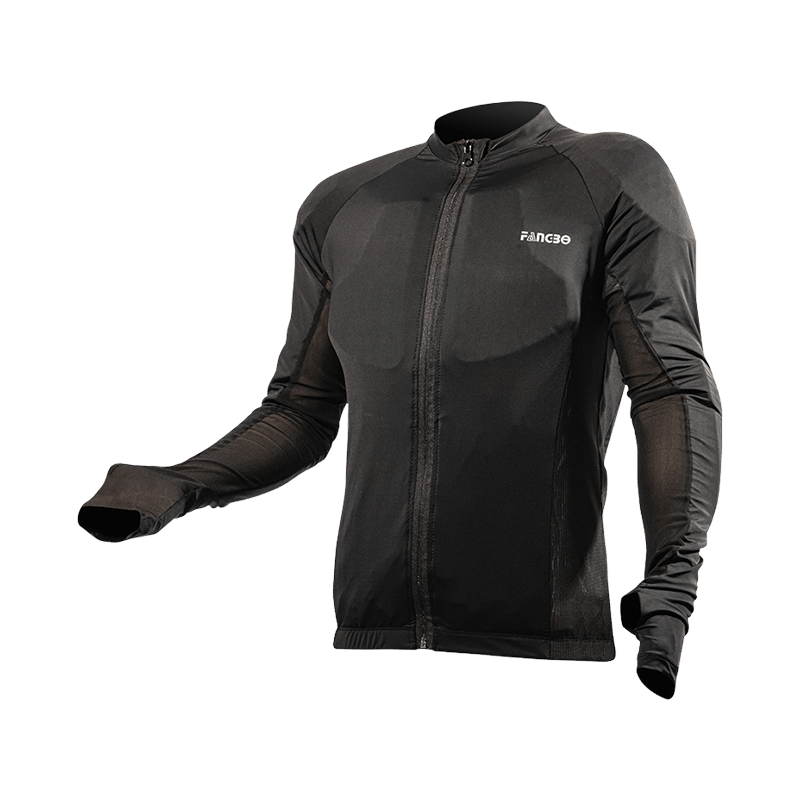
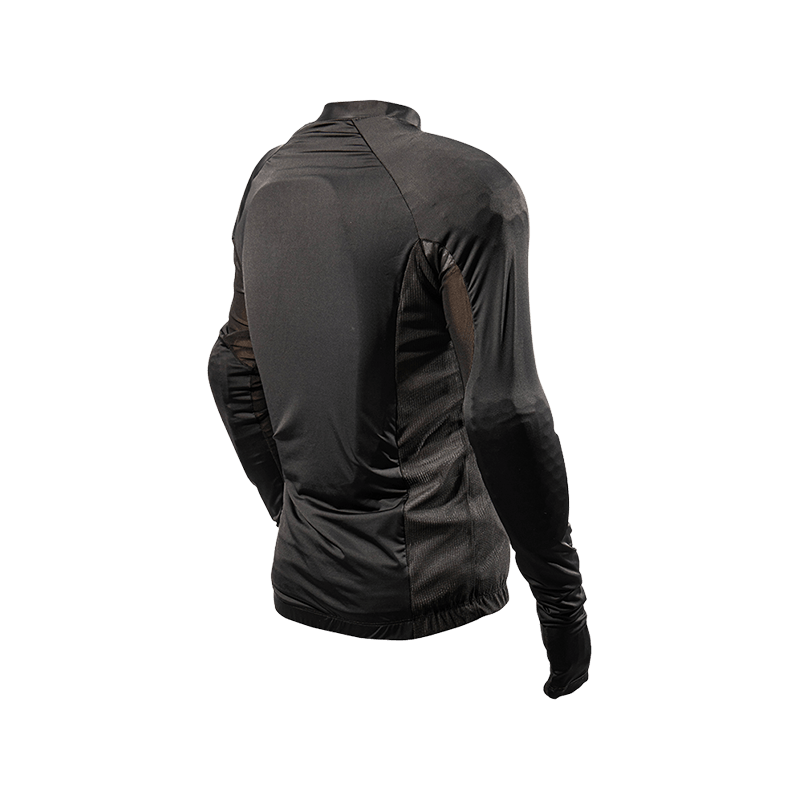
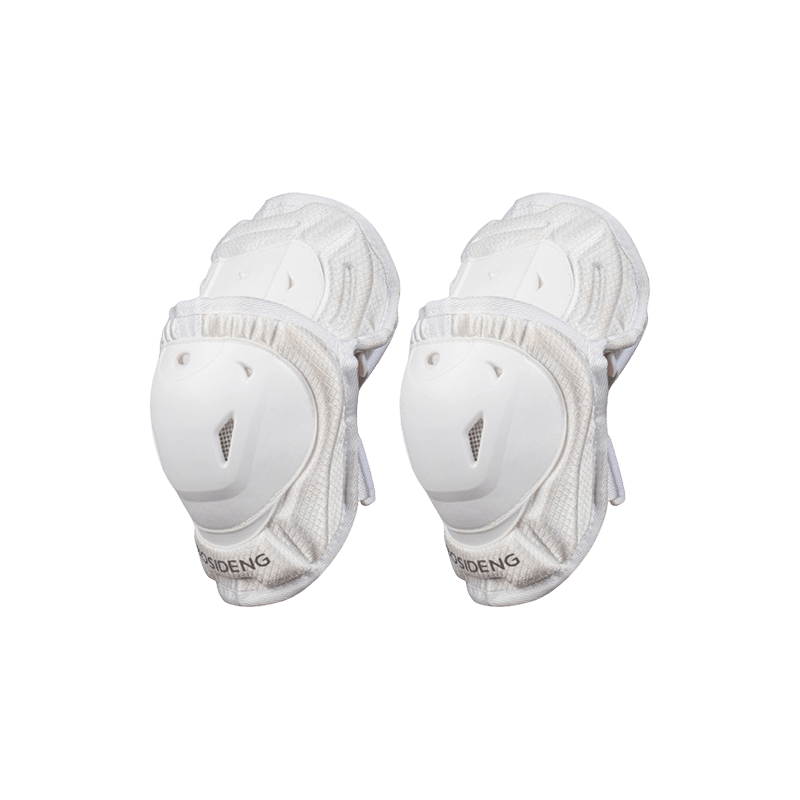
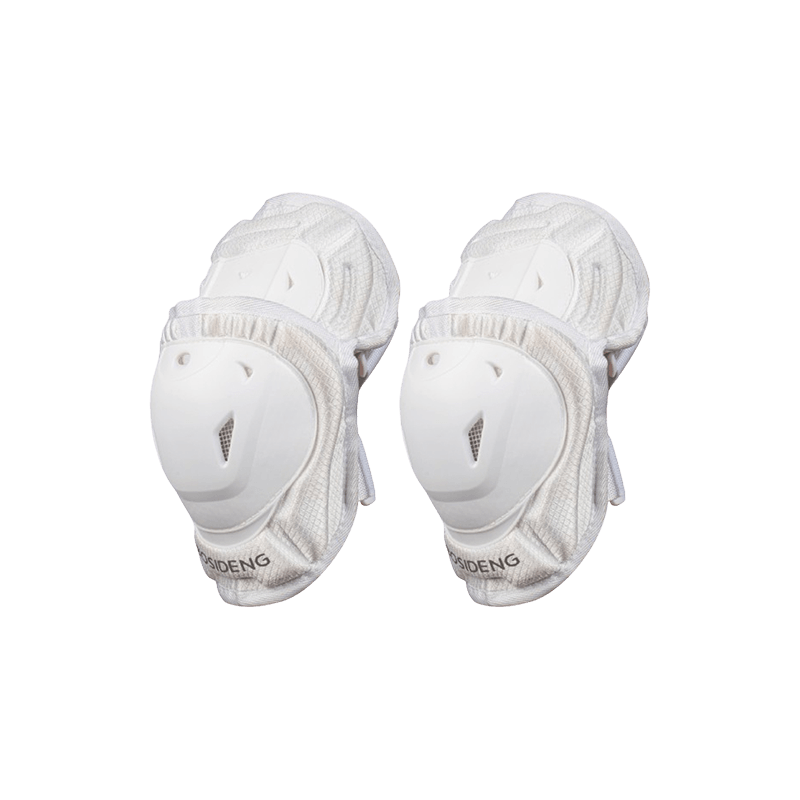
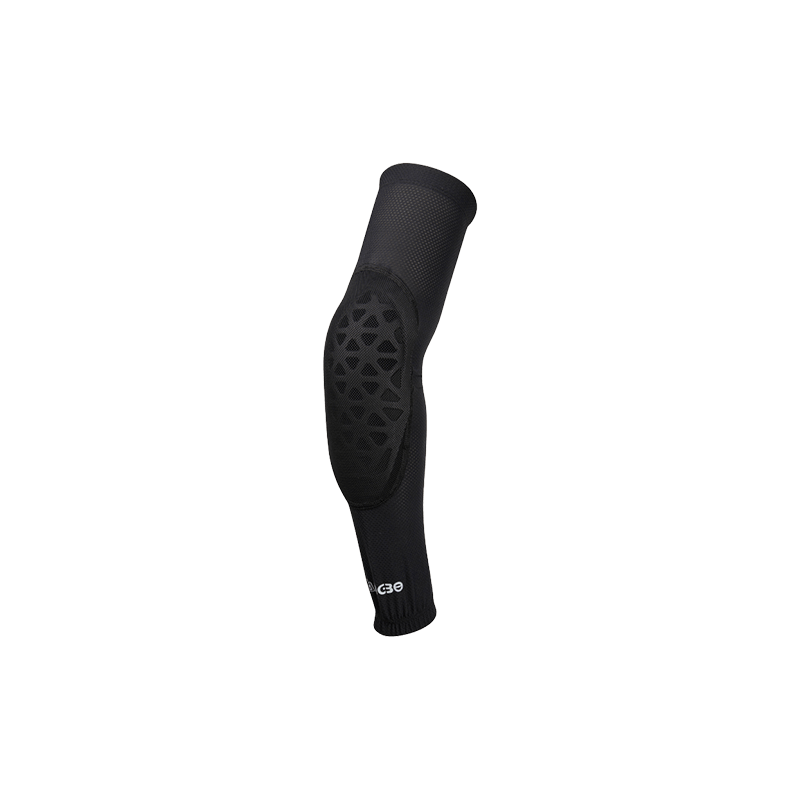
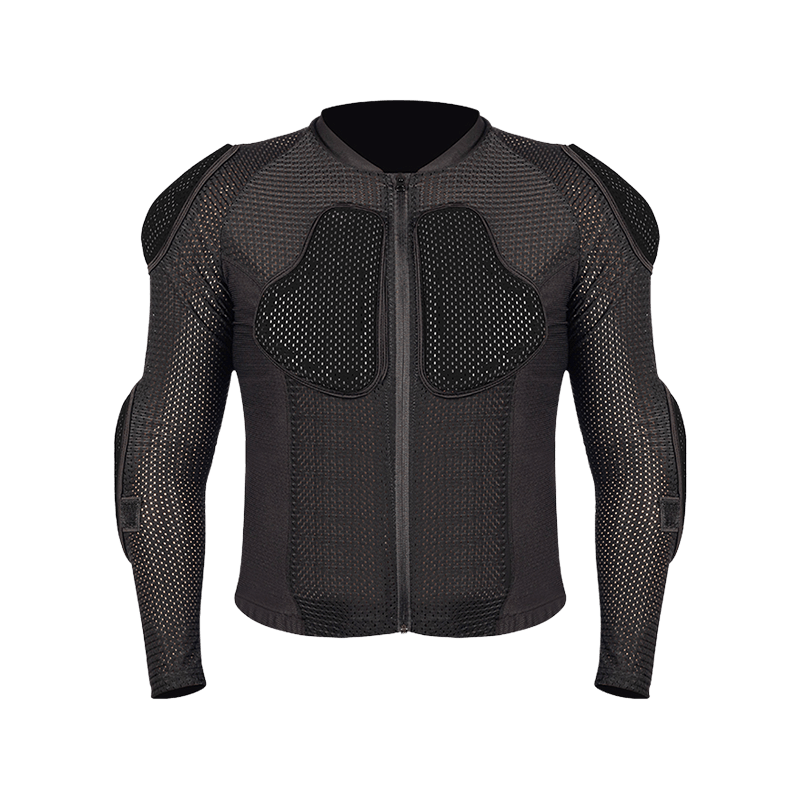
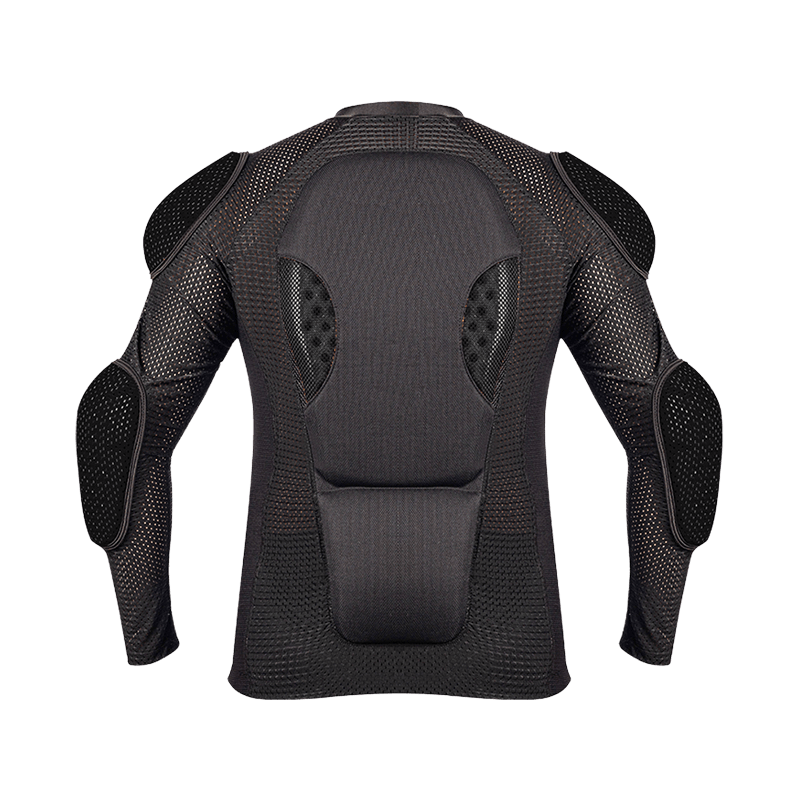
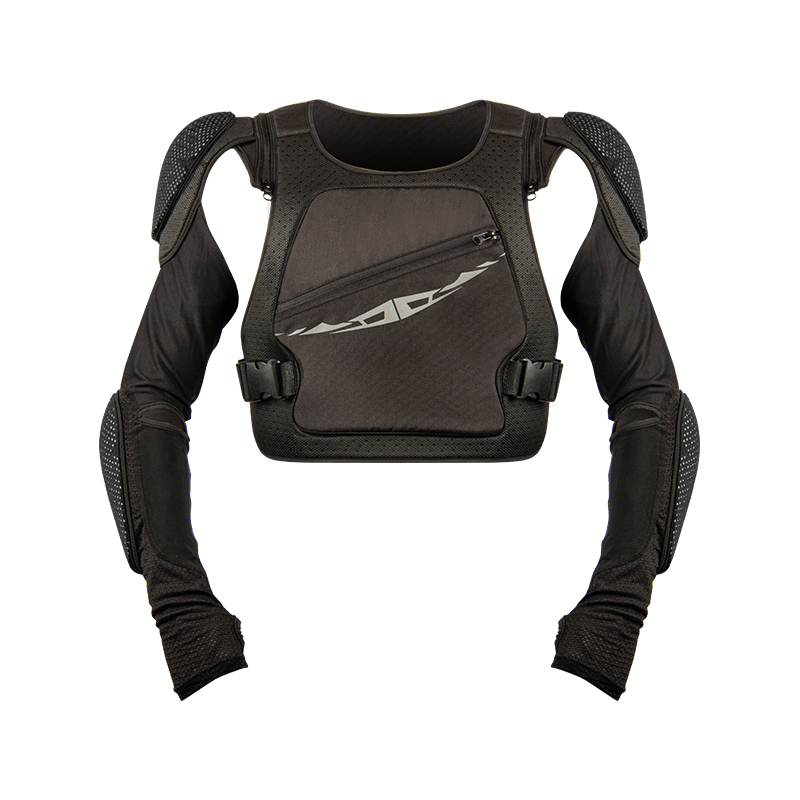
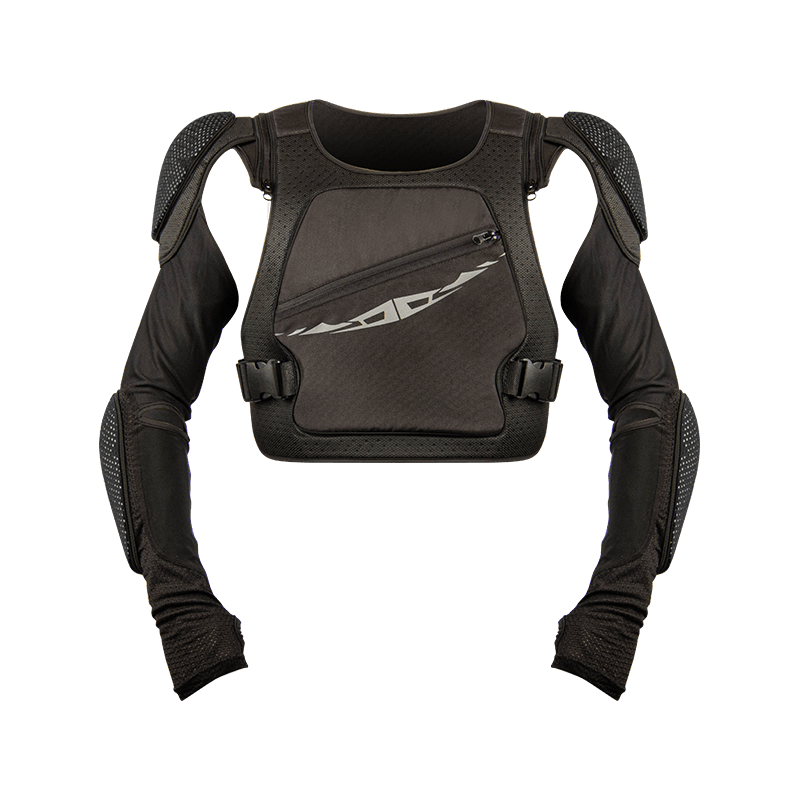
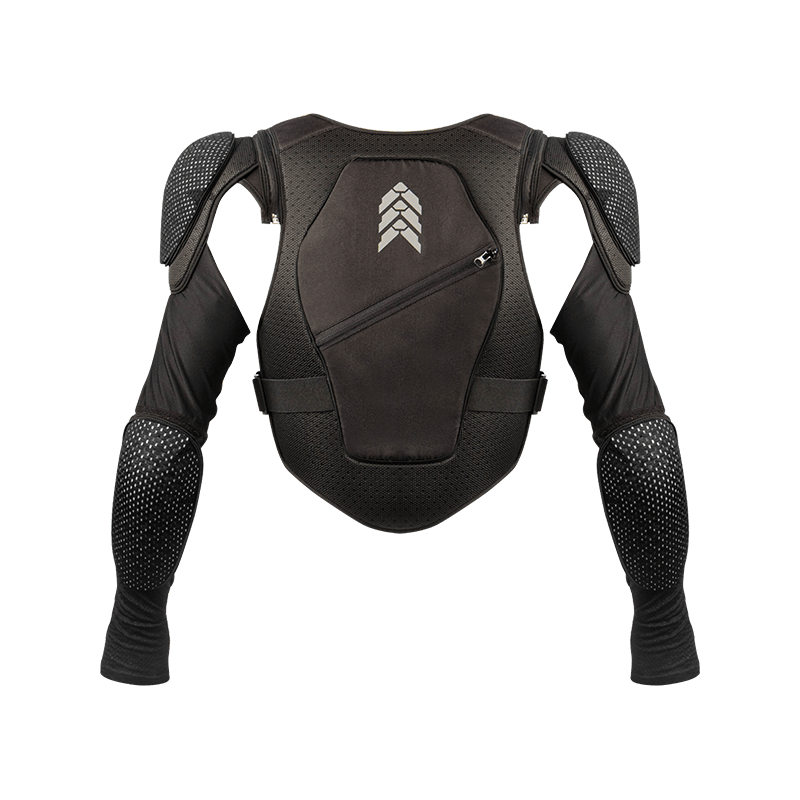
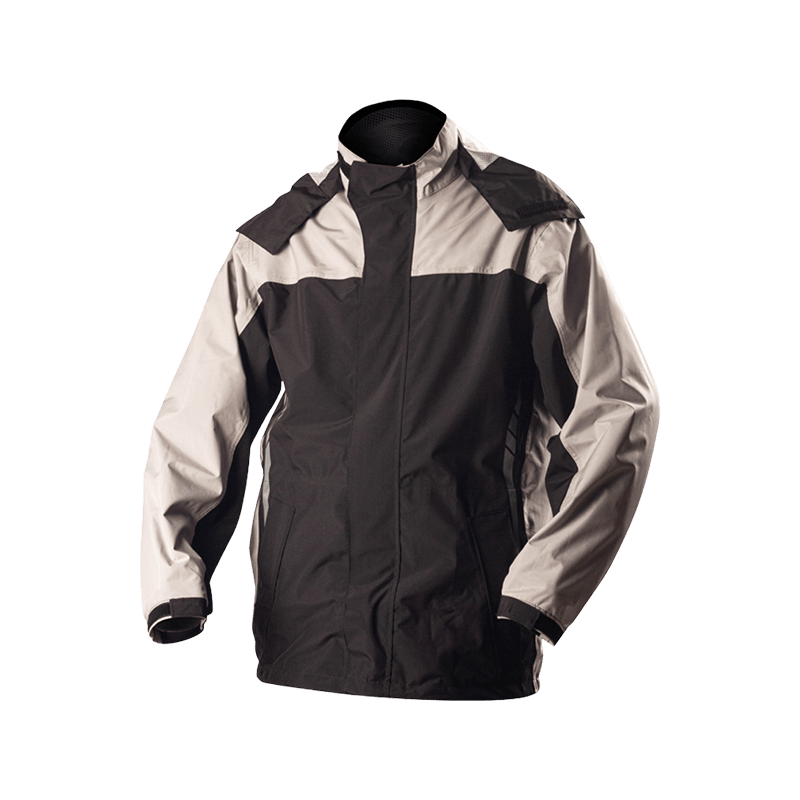
While knee pads focus on one joint, motorcycle body armor spreads protection across multiple vulnerable areas such as shoulders, elbows, chest, and back.
It’s often integrated into jackets or worn as a separate vest system, depending on the riding setup.
How it works in practice
Instead of absorbing impact at a single point, body armor is designed to:
- Distribute force across a wider surface area
- Reduce penetration risk from sharp contact
- Minimize internal injury during sliding impacts
Most riders only realize its importance after experiencing a fall where abrasion and blunt force happen simultaneously.
Common configurations
- CE Level 1 armor: lighter, more flexible, ideal for commuting
- CE Level 2 armor: higher impact absorption, preferred for highway or sport riding
- Modular armor vests: worn under or over jackets for flexibility
Search queries like “best motorcycle body armor for street and highway riding” or “CE level 2 motorcycle armor vest breathable” reflect how riders balance protection with comfort.
Where it matters most
- High-speed highway riding
- Adventure and touring motorcycles
- Sport riding where slide distance is higher
Motorcycle Gear: The Complete System, Not Just Individual Pieces
When people search for “motorcycle gear for beginners” or “full motorcycle protective gear set for road riding”, they are usually looking for a complete ecosystem rather than isolated items.
A proper motorcycle gear setup typically includes:
- Helmet
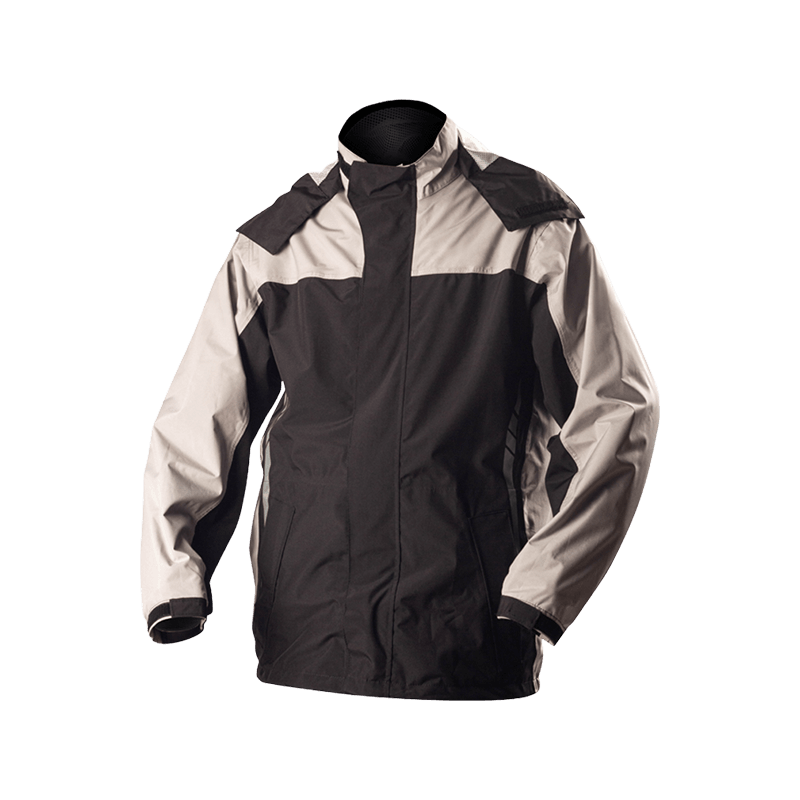
- Jacket with built-in armor
- Gloves with reinforced palms
- Pants with hip and knee protection
- Boots with ankle support
Why full gear matters more than single protection
In real accidents, injuries rarely happen in isolation. A rider sliding on asphalt doesn’t just impact one point—the force travels across the body. That’s why integrated gear systems are designed so each piece complements the other.
For example:
- Knee pads reduce joint damage
- Body armor protects torso and spine
- Riding pants prevent abrasion burns
Together, they reduce both immediate trauma and long-term recovery risk.
Knee Pads vs Body Armor: What’s the Real Difference?
This is a common question among riders searching “do I need motorcycle body armor if I already wear knee pads?”
The simplest way to understand it:
- Knee pads = localized joint protection
- Body armor = multi-zone impact distribution system
One protects movement-critical joints, the other protects vital organs and structural areas of the upper body.
In practice, experienced riders rarely choose one or the other. Instead, they layer them depending on riding conditions.
How Riders Actually Choose Their Setup (Based on Experience, Not Marketing)
Instead of starting with product categories, most riders begin with usage patterns:
- Daily commuting in traffic-heavy cities
→ lightweight jacket + basic knee protection
- Weekend cruising or touring
→ CE-rated body armor + reinforced riding pants
- Off-road or adventure riding
→ heavy-duty knee pads + full armor system with impact-rated protection
- Sport riding or track use
→ high-level CE Level 2 armor + rigid knee protection systems
This is where long-tail searches like “best motorcycle protective gear for long distance touring in hot weather” or “breathable motorcycle knee pads for summer riding” come from—they reflect real environmental constraints, not just product preference.

 English
 русский
 Español