English
 русский
 Español

This Summer Motorcycle Breathable Protective Gear features comprehensive protection for safe riding ...
See Details
Date:Oct 30, 2026
Motorcycle protective gear comes in different shapes, sizes, and construction styles, so a standard protective component may not fit every garment as intended. For overseas brands, importers, and wholesale buyers, sourcing Motorcycle Body Armor often involves balancing protective performance, garment compatibility, product dimensions, and manufacturing consistency. Customization can help address these requirements, but it works best when the intended application and technical specifications are clearly defined before production begins.
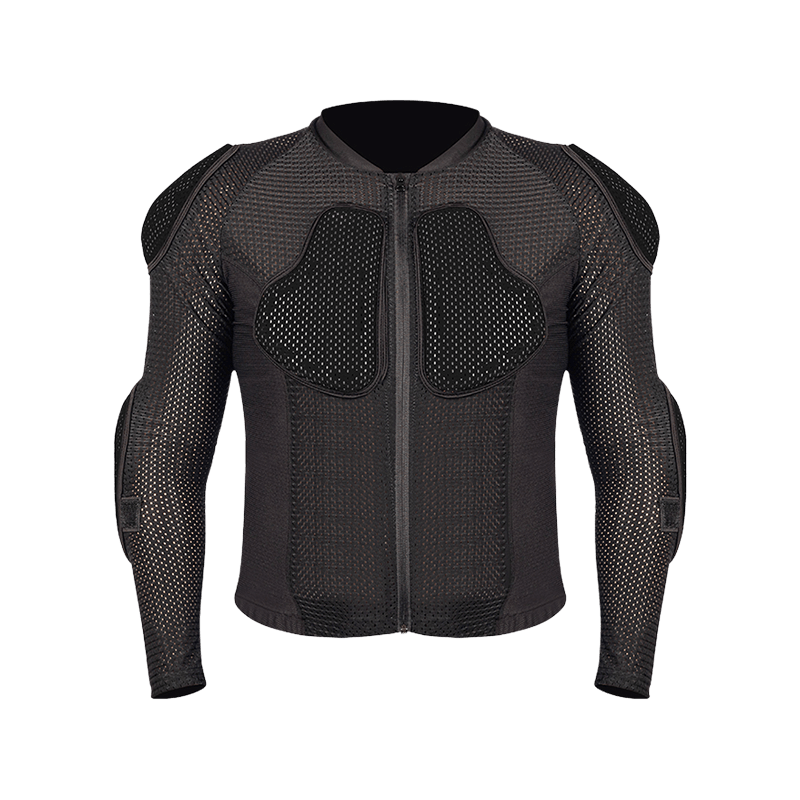
The first step in customization is understanding where the armor will be installed and how the garment is constructed. A jacket with dedicated protective pockets may require different dimensions from a design that uses straps or another retention method.
Manufacturers should review the available installation space, pocket shape, garment lining, and intended position of each protective component. Buyers can improve the sampling process by providing accurate measurements, reference samples, technical drawings, or clear descriptions of the intended garment. This information gives product developers a more reliable basis for selecting the appropriate shape and construction.
Protective components are not interchangeable simply because they appear similar. Differences in length, width, curvature, and thickness can influence coverage, fit, and movement inside a garment.
When developing custom Motorcycle Body Armor, manufacturers should define the dimensions of each component and confirm how those measurements relate to the target garment size. Buyers should also clarify whether one armor specification will serve several garment sizes or whether different versions are required.
A clear dimensional plan helps reduce fitting problems and makes it easier to maintain consistency between approved samples and subsequent production orders.
Customization may involve changes to material, flexibility, thickness, or surface structure. However, these choices should be guided by the intended protective function rather than appearance alone.
Manufacturers need to consider how a proposed material performs in the selected component design and whether it is suitable for the required testing conditions. Buyers should communicate their performance expectations early and request relevant technical documentation where applicable.
Important questions include:
Answering these questions helps ensure that customization supports practical requirements rather than introducing unnecessary design changes.
A sample provides an opportunity to check the proposed design before a bulk order is confirmed. It should be evaluated inside the intended garment whenever possible, because a component that looks correct on its own may not fit properly once installed.
During sample review, buyers can examine the armor's position, ease of insertion, movement during normal body motions, and interaction with the garment lining. Any requested changes should be recorded clearly, including revised dimensions, material specifications, and attachment details.
Manufacturers can then use the approved sample as a reference for production, helping reduce misunderstandings about the final product.
Custom products require more than an accurate initial design. The manufacturing process must also maintain the approved specifications throughout the order.
A practical quality-control process may include:
The inspection method should reflect the component's construction and intended use. These manufacturing checks support consistency but do not replace required protective-performance testing.
When several armor shapes or sizes are included in one shipment, clear product identification helps buyers manage inventory and garment assembly. Poor labeling or mixed specifications can create avoidable confusion, especially when products look similar.
Before production, buyers should confirm how different models will be identified, separated, and packed. Manufacturers can align packaging labels and product documentation with the agreed specifications so that each item is easier to identify during receiving, storage, and assembly.
Successful Motorcycle Body Armor customization depends on a coordinated process involving garment compatibility, material selection, dimensions, sample approval, and production inspection. Making changes to one element without checking its effect on the rest of the design can lead to unnecessary revisions or inconsistent results.
For overseas buyers, providing complete application details at the beginning of a project helps manufacturers develop a more suitable solution. For manufacturers, clear specifications and controlled production procedures create a stronger foundation for repeat orders. When customization is managed systematically, Motorcycle Body Armor can better match the requirements of different garment designs while maintaining consistent product quality.
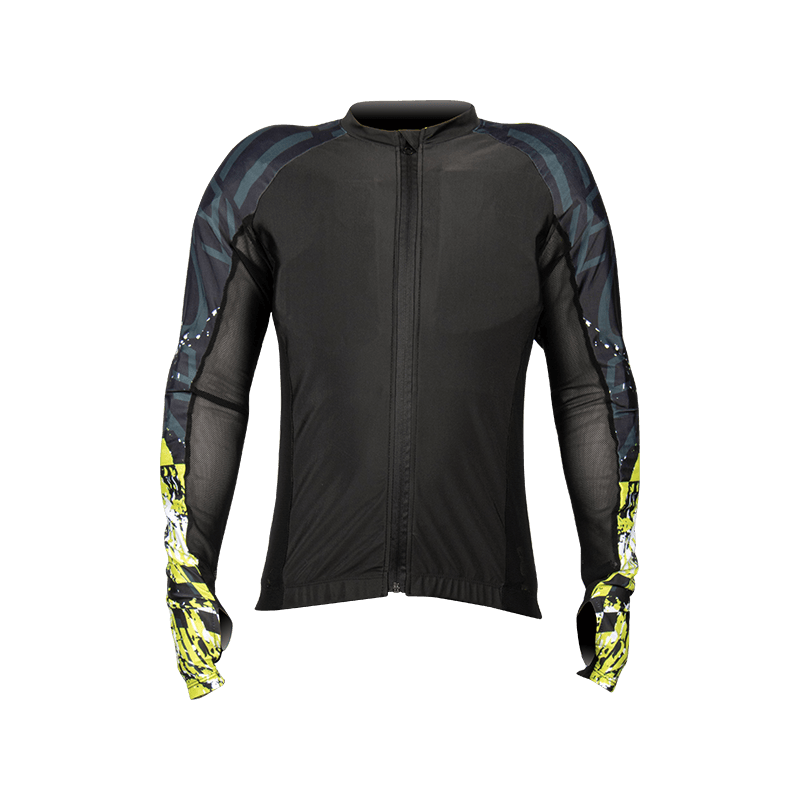
This Summer Motorcycle Breathable Protective Gear features comprehensive protection for safe riding ...
See Details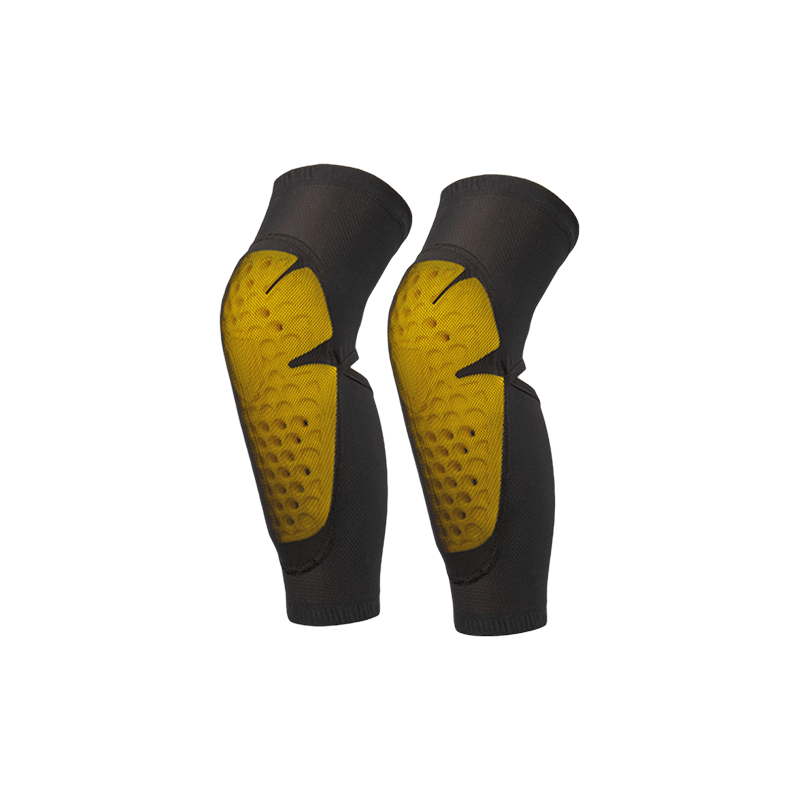
The Breathable Anti-Collision Ice Silk Fabric Knee and Elbow Pad provides professional protection fo...
See Details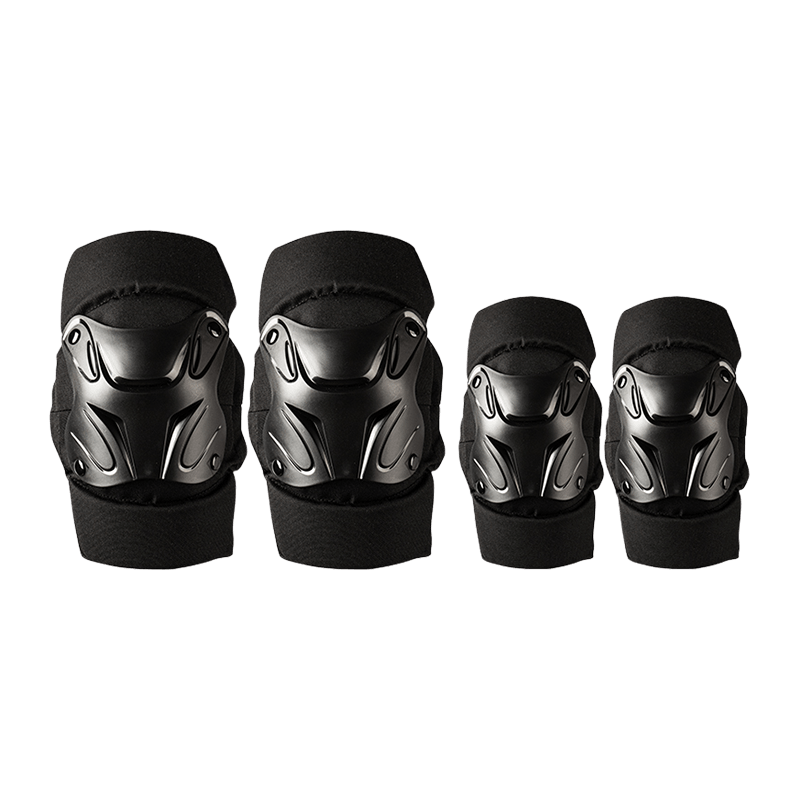
Our Adjustable Knee Pads and Elbow Pad Protectors are suitable for cycling and racing enthusiasts, p...
See Details二维码


OEM Sports Safety Gear