English
 русский
 Español
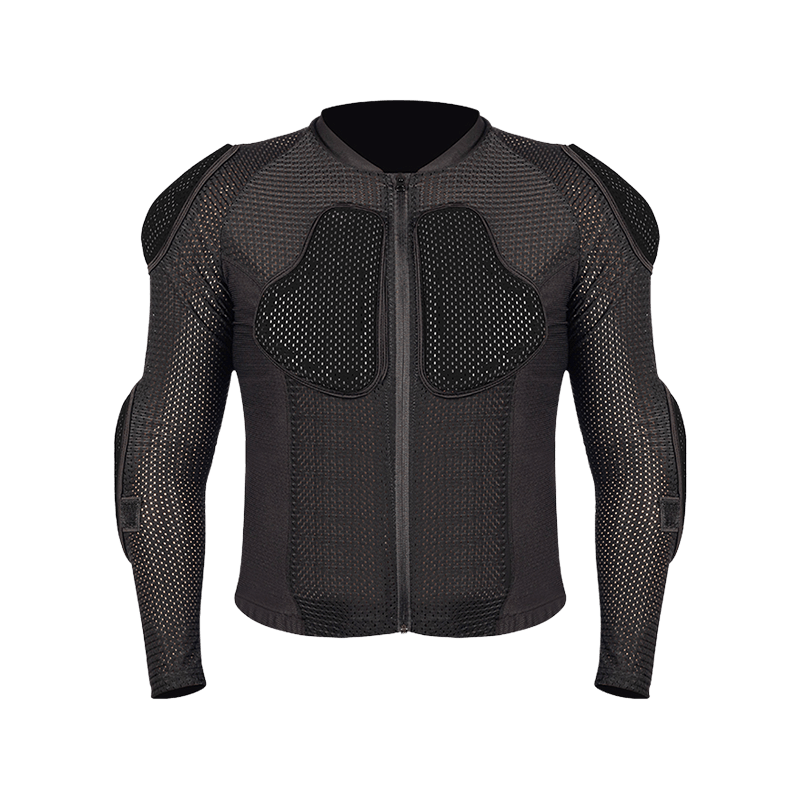
This Summer Motorcycle Breathable Protective Gear features comprehensive protection for safe riding ...
See Details
Date:Sep 04, 2026
Protective equipment has to perform its primary function without becoming a distraction during movement. Athletes, coaches, sports clubs, and equipment brands are paying closer attention to how protection fits into real training and competition environments. This has encouraged manufacturers to look beyond basic impact coverage and consider weight, flexibility, ventilation, fit, and material construction together. For overseas buyers sourcing Sports Protective Gear, the challenge is finding products that provide practical protection while remaining comfortable enough for repeated use.
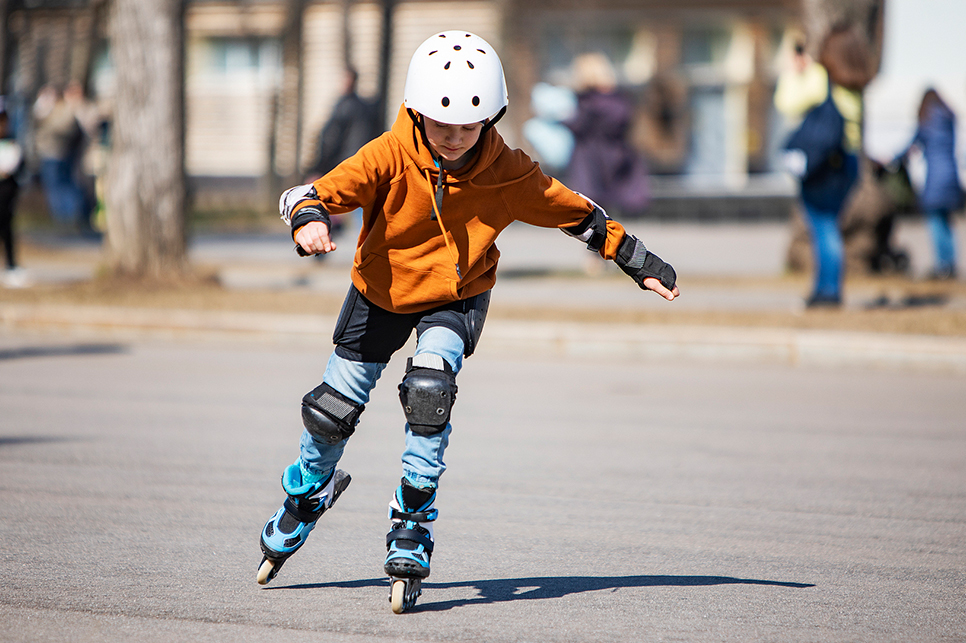
Athletes rarely stay in one position. Running, jumping, turning, sliding, and physical contact can place different demands on protective equipment. A rigid product may provide coverage but restrict movement if its structure does not follow the body's range of motion.
Manufacturers therefore need to consider how protective components interact with moving areas such as the shoulders, knees, elbows, hips, and torso. Flexible connections, shaped padding, and carefully positioned protective sections can help create a better balance between coverage and mobility.
Reducing unnecessary material can make protective equipment easier to wear during extended training sessions. However, lightweight design should not simply mean making every component thinner.
The more useful approach is to determine where structural support is required and where flexibility or ventilation is more important. Material selection, internal construction, protective inserts, and outer fabrics can then be coordinated around the intended application.
For product developers, this may involve several considerations:
This component-level approach allows manufacturers to develop products around actual sporting movements rather than relying on a one-design-fits-all structure.
Even a well-engineered protector may become less practical if it moves excessively during activity or feels uncomfortable against the body. Fit therefore deserves attention during product development, particularly for equipment intended for repeated training.
Different users may have different body shapes, age groups, and wearing preferences. Adjustable straps, elastic sections, shaped padding, and multiple size options can provide greater flexibility for brands serving diverse markets.
For OEM customers, fit requirements should ideally be discussed during the early development stage. Changes to patterns, padding placement, closures, or component dimensions can be easier to manage before production is finalized.
Heat and moisture can influence whether athletes are willing to wear protective equipment consistently. A product that traps excessive heat may become uncomfortable during extended activity, particularly in indoor training environments or warm climates.
Manufacturers can address this through breathable fabrics, ventilation openings, perforated padding, mesh sections, or strategically positioned channels. These features need to be incorporated without compromising the intended structure of the product.
The result should be a balance between protective coverage and everyday wearability rather than treating ventilation as an isolated feature.
Different sports create different movement patterns and contact conditions. A protector designed for cycling may have very different requirements from equipment developed for football, skating, martial arts, or other contact-oriented activities.
For distributors and sports brands, sport-specific design can make product selection more precise. Manufacturers can adapt protective areas, materials, fastening systems, padding configurations, and external finishes according to the target activity.
This also creates opportunities for OEM customers to develop differentiated product ranges instead of relying entirely on generic protective equipment.
As a Sports Protective Gear manufacturer, we understand that product performance depends on more than the initial design. Cutting, molding, sewing, bonding, padding assembly, fastening, and finishing all need to be coordinated carefully.
Consistent production is particularly important for overseas buyers ordering in batches. Variations in padding position, stitching, closures, or component alignment can affect the fit and appearance of finished products. Controlled manufacturing processes and inspection help create greater consistency between units and production batches.
Modern protective equipment needs to address a wider range of practical requirements. Protection, fit, mobility, ventilation, material selection, and product durability all influence how suitable a product is for repeated sporting use.
For overseas distributors, sports brands, clubs, and OEM buyers, discussing these requirements directly with an experienced manufacturer can make product development more targeted. By combining application-specific engineering with controlled production, Sports Protective Gear can provide athletes with protection that fits more naturally into the way they actually move and train.
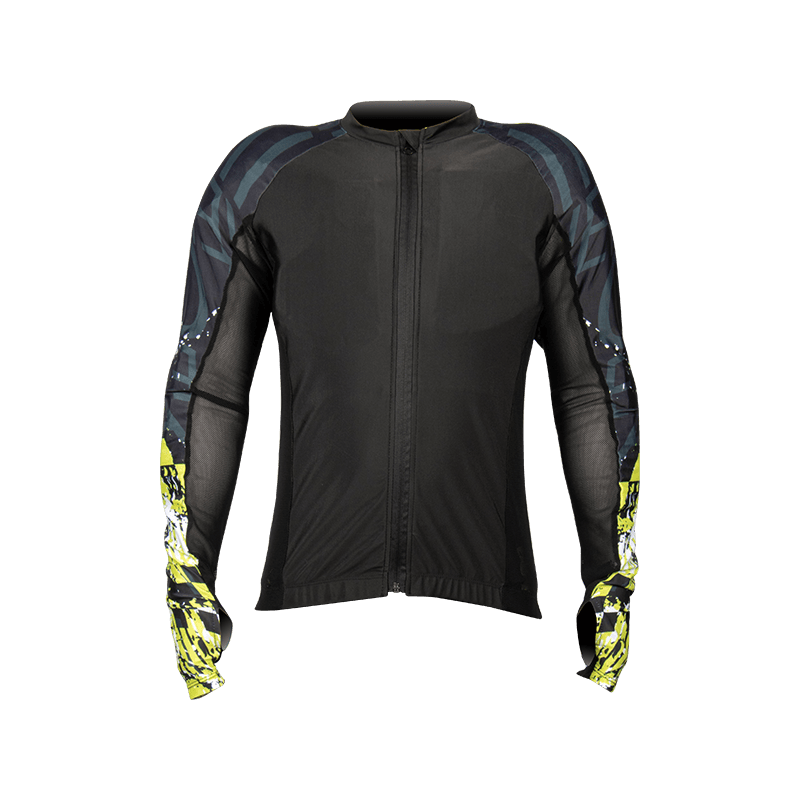
This Summer Motorcycle Breathable Protective Gear features comprehensive protection for safe riding ...
See Details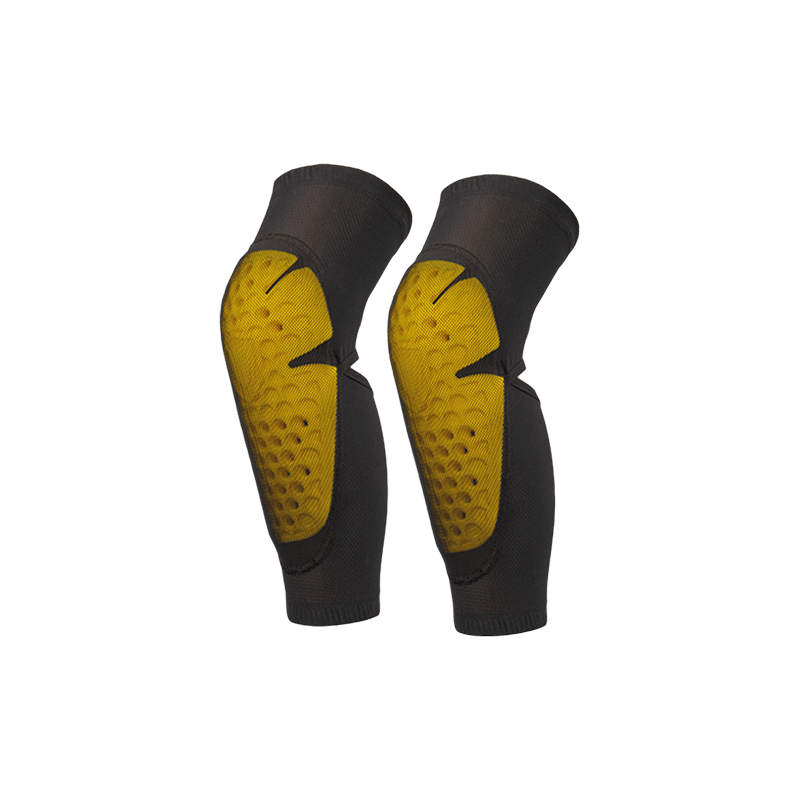
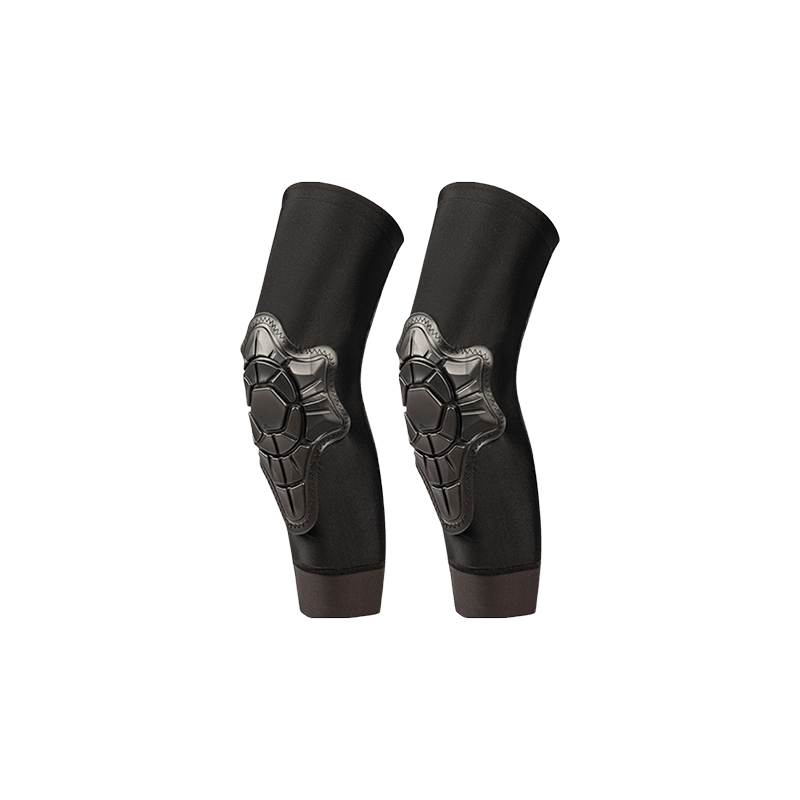
The Breathable Anti-Collision Ice Silk Fabric Knee and Elbow Pad provides professional protection fo...
See Details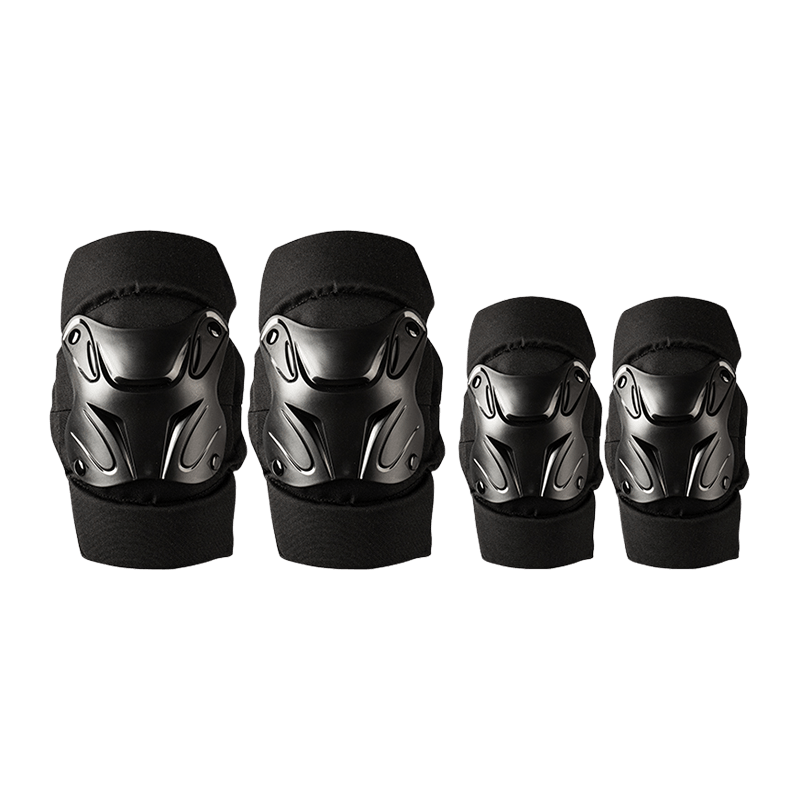
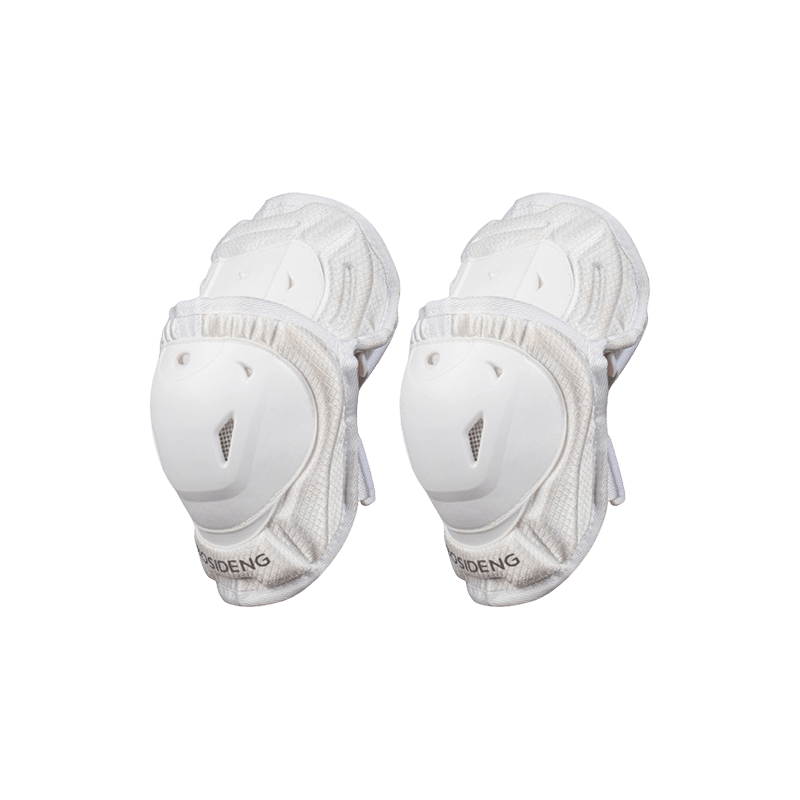
Our Adjustable Knee Pads and Elbow Pad Protectors are suitable for cycling and racing enthusiasts, p...
See Details二维码


OEM Sports Safety Gear