English
 русский
 Español

This Summer Motorcycle Breathable Protective Gear features comprehensive protection for safe riding ...
See Details
Date:Oct 23, 2026
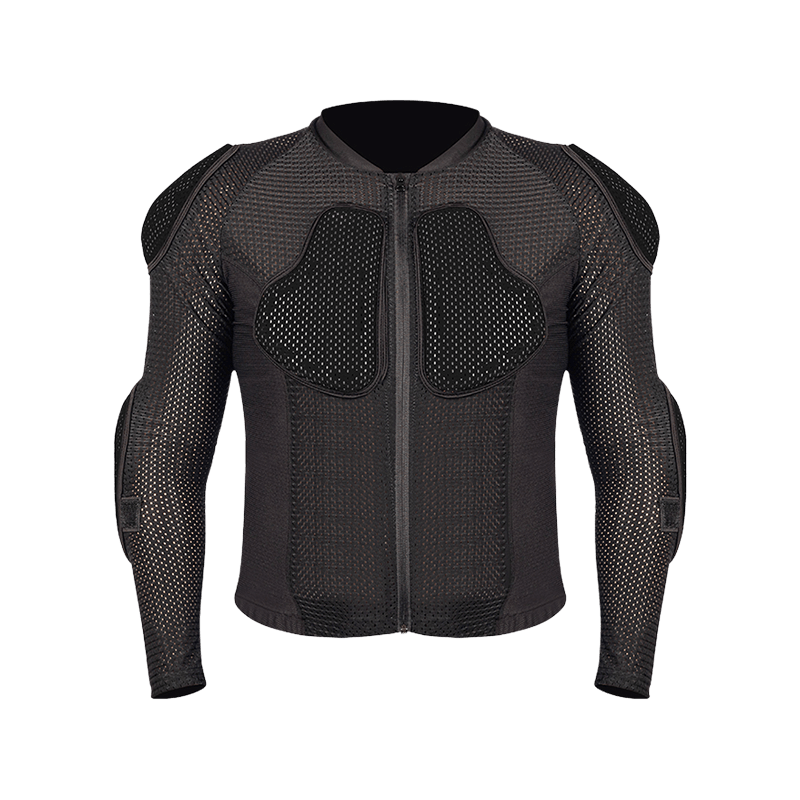
Motorcycle protective equipment is expected to maintain its intended shape and fit through repeated wearing, movement, storage, and handling. For distributors and riding gear manufacturers, selecting Motorcycle Body Armor therefore involves more than checking the appearance of a new sample. Buyers also need to understand how the material, component structure, and manufacturing process may influence long-term consistency. A practical durability assessment helps identify potential weaknesses before a product enters regular use or large-scale distribution.
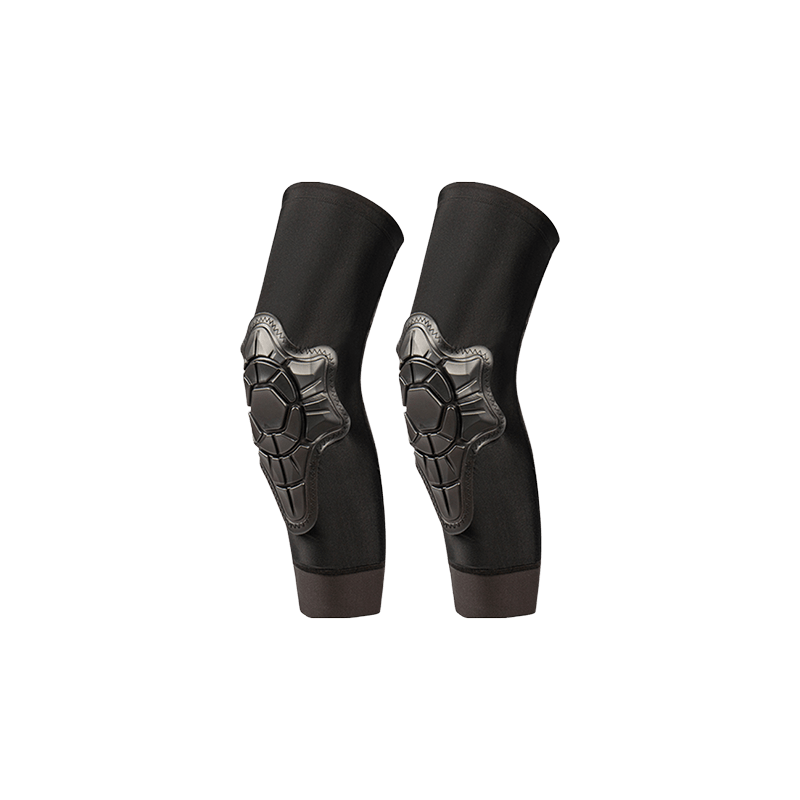
Protective materials respond differently to pressure, bending, temperature changes, and repeated handling. Some designs prioritize flexibility, while others require a firmer structure to achieve their intended protective function. The appropriate material depends on the product's purpose, shape, and required performance characteristics.
Manufacturers should evaluate material selection as part of the complete component design. A material that performs well in one configuration may behave differently when its thickness, curvature, or overall dimensions change. Buyers should request clear material information and relevant test documentation instead of judging suitability from touch or appearance alone.
Motorcycle riders regularly bend their arms, rotate their shoulders, lean forward, and change position while riding. Protective components may experience repeated flexing or compression as the garment moves with the body.
If a component changes shape unexpectedly, it may become more difficult to position correctly inside the garment. Manufacturers can evaluate whether the armor returns to its intended form after repeated movement and whether its edges, curves, and attachment areas remain consistent. These checks help identify design issues that may not be visible during a brief inspection of a new sample.
A protective component should have a finish appropriate for its design and intended garment application. Rough edges, cracks, uneven surfaces, or irregular molding can create integration difficulties and may indicate that further inspection is needed.
During production, manufacturers should establish clear acceptance criteria for visible defects and dimensional variation. Buyers reviewing samples can pay particular attention to:
These observations do not establish impact performance, but they can help reveal manufacturing inconsistencies that deserve further evaluation.
Some Motorcycle Body Armor designs use pockets, straps, hook-and-loop fasteners, or other retention arrangements to maintain the intended position. The effectiveness of these features depends on their construction and compatibility with the garment.
Manufacturers should check whether attachment components remain secure during normal handling and repeated installation. Buyers should also confirm that the armor fits the intended pocket or retention system without excessive movement or difficult insertion. A protective component and its attachment method should be evaluated together rather than treated as separate purchasing decisions.
A useful testing plan begins with the product's intended application. Repeated bending, handling, fitting, and removal can help assess physical consistency, while appropriate protective-performance testing addresses a different and essential requirement.
Manufacturers may establish internal checks for dimensions, flexibility, shape recovery, surface condition, and fit after repeated use. Test conditions should be documented and applied consistently so that results can be compared between samples and production batches. Internal durability checks should not be presented as proof of impact protection unless the relevant protective tests support that claim.
For bulk buyers, the performance of one sample is only part of the purchasing decision. A production order may include many components, and differences in shape, thickness, finish, or flexibility can create problems during garment assembly and final inspection.
To reduce uncertainty, manufacturers should maintain approved product specifications and inspect incoming materials, work in progress, and finished components. Buyers can also agree on sample approval procedures, acceptable dimensional variation, inspection requirements, and packaging details before production begins. Clear documentation makes repeat orders easier to manage and helps both sides identify deviations more efficiently.
A durable Motorcycle Body Armor product needs to retain its intended physical characteristics, fit the designated garment, and satisfy the protective requirements established for its application. Durability alone does not guarantee that the component provides suitable impact protection, so both aspects require appropriate evaluation.
For overseas distributors and equipment manufacturers, discussing material properties, expected use conditions, test documentation, and quality-control procedures early can improve product selection. By combining consistent manufacturing processes with application-specific testing, a manufacturer can provide Motorcycle Body Armor that is easier to evaluate, integrate, and source across repeat orders.
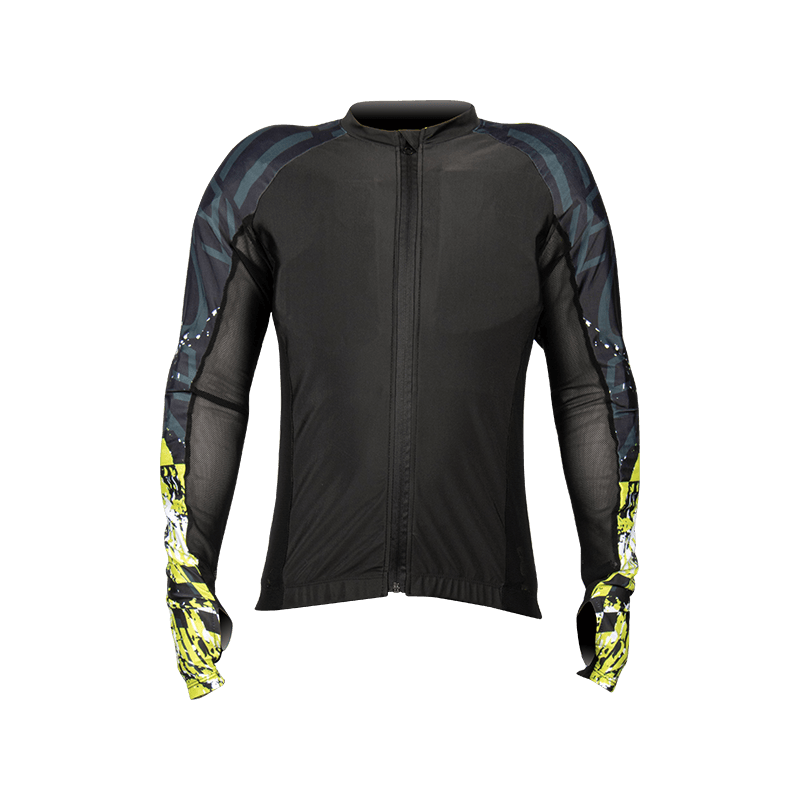
This Summer Motorcycle Breathable Protective Gear features comprehensive protection for safe riding ...
See Details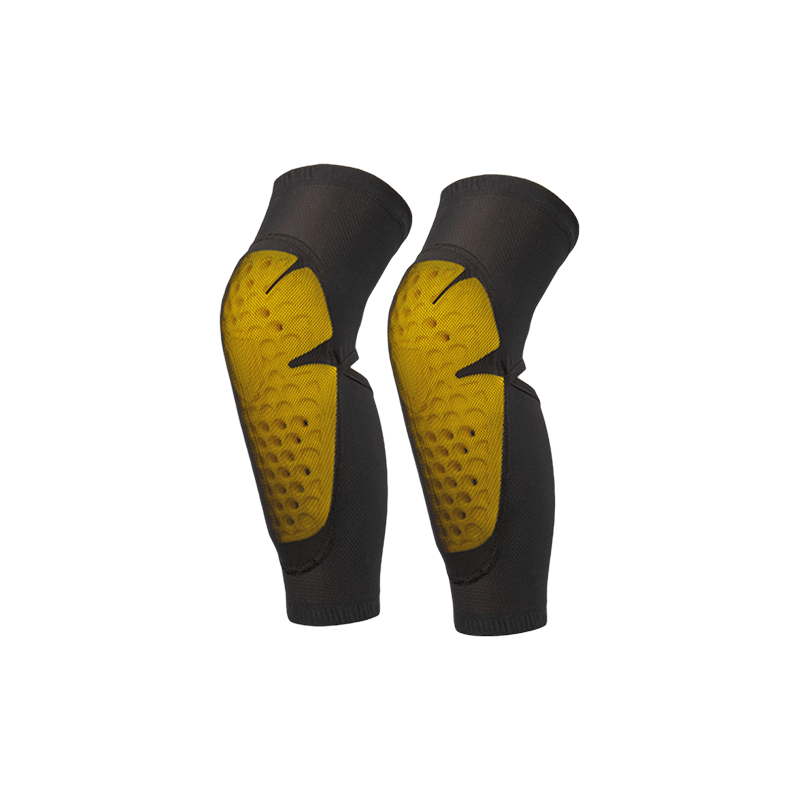
The Breathable Anti-Collision Ice Silk Fabric Knee and Elbow Pad provides professional protection fo...
See Details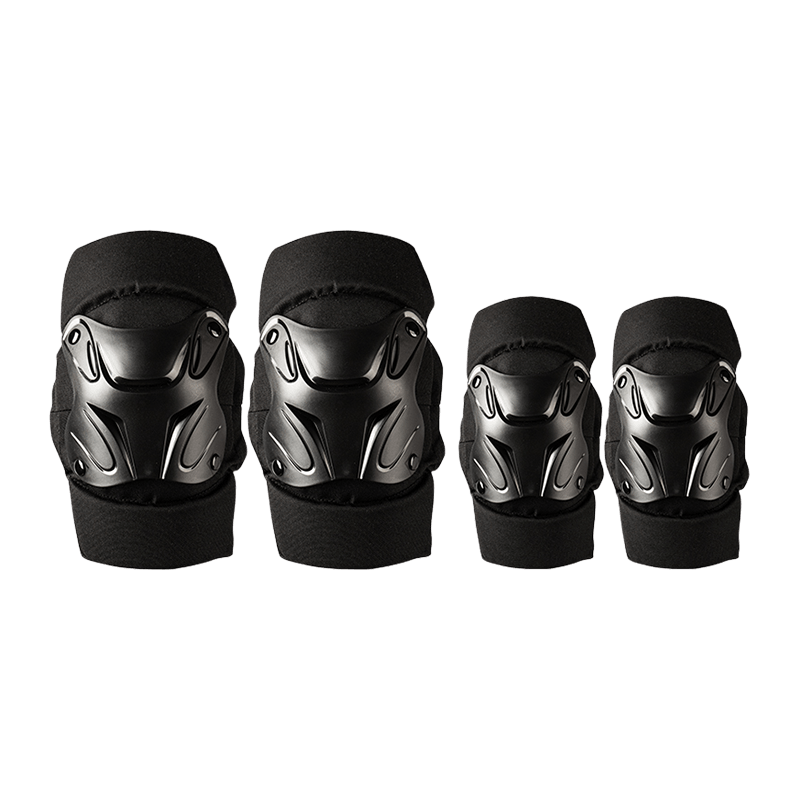
Our Adjustable Knee Pads and Elbow Pad Protectors are suitable for cycling and racing enthusiasts, p...
See Details二维码


OEM Sports Safety Gear