English
 русский
 Español
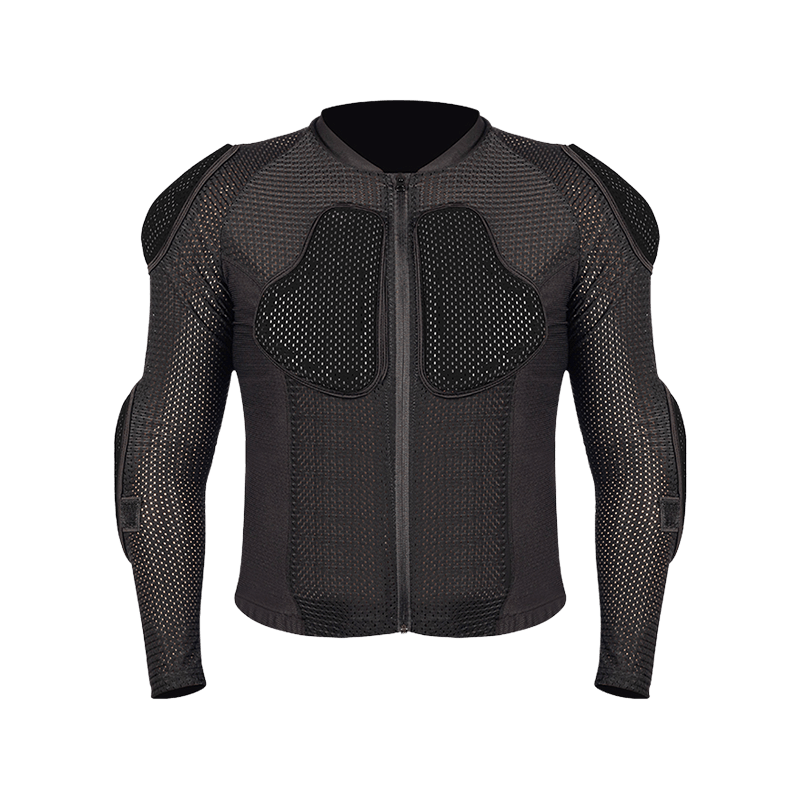
This Summer Motorcycle Breathable Protective Gear features comprehensive protection for safe riding ...
See Details
Date:Sep 18, 2026
For sports brands and professional buyers, protective equipment is rarely purchased for a single training session. Products may be used repeatedly, cleaned regularly, adjusted by different users, and exposed to continuous movement and contact. This makes durability an important part of product development and sourcing decisions. When evaluating Sports Protective Gear, overseas distributors and OEM buyers need to look beyond the initial appearance and consider how materials, construction, fastening systems, and manufacturing processes can influence long-term usability.
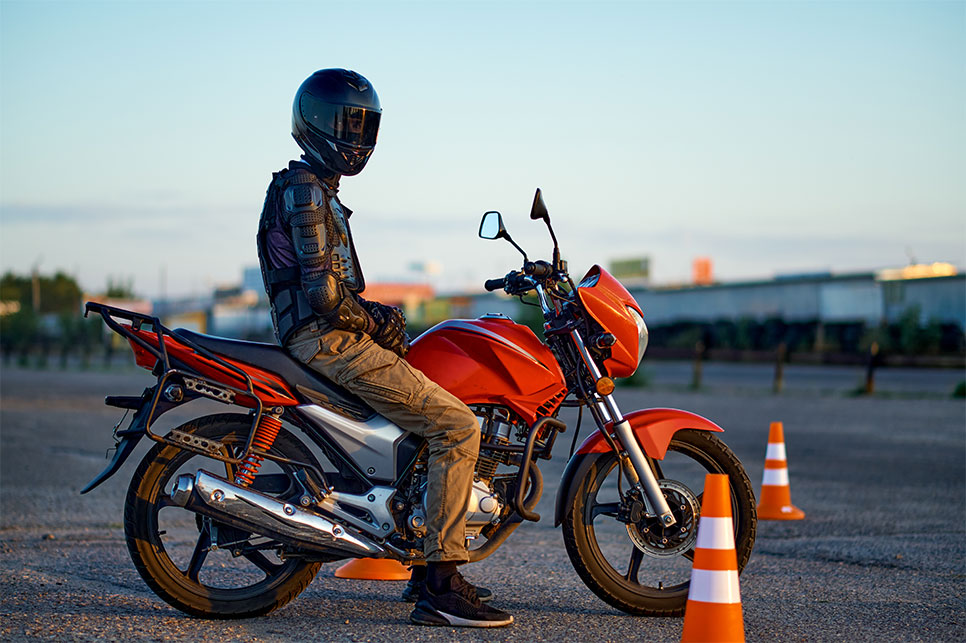
Protective equipment experiences repeated bending, stretching, compression, and movement during normal use. These actions can gradually place stress on seams, straps, padding, protective inserts, and connection points.
A durable design starts by identifying where repeated movement is most likely to occur. Manufacturers can then reinforce selected areas without unnecessarily increasing the weight or rigidity of the entire product.
This application-based approach is particularly useful for products intended for regular training, where construction quality can influence the overall ownership experience.
Different materials respond differently to friction, bending, moisture, and repeated handling. Outer fabrics may experience surface abrasion, while elastic components and fastening systems can face repeated stretching or attachment.
Manufacturers therefore need to evaluate materials as part of the complete product rather than selecting them based only on appearance or initial cost.
For OEM buyers, useful questions include:
These questions can help identify potential weaknesses before a product enters larger-scale production.
Protective equipment often combines several materials and components. Fabric panels may need to connect with padding, elastic sections, straps, molded parts, or protective shells.
The quality of these connections can influence how the product performs during repeated use. Stitching patterns, reinforcement areas, bonding methods, fasteners, and component positioning should therefore be evaluated according to the forces expected during normal activity.
For manufacturers, this means assembly is not simply the final step of production. It is part of the product engineering process.
Sports equipment is frequently exposed to sweat, dust, moisture, and repeated handling. If a product is difficult to clean or dry, users may have difficulty maintaining it properly.
Material selection and construction can make routine care easier. Removable components, washable fabrics, practical closures, and suitable ventilation can all be considered during development, depending on the application.
For distributors and sports organizations, these features can also influence how easily equipment can be managed across regular training schedules.
A product may perform well as an individual sample, but commercial buyers need confidence that subsequent production will maintain the same construction and appearance.
Small variations in padding placement, stitching, strap positioning, or component alignment can create differences between individual products. This is why production control becomes particularly important for OEM and private-label programs.
As a Sports Protective Gear manufacturer, we pay attention to material preparation, cutting, sewing, component assembly, finishing, and inspection. Coordinating these processes helps maintain consistency throughout production rather than relying only on final inspection.
Durability does not necessarily mean adding more material to every part of a protector. Excessive reinforcement can affect flexibility, comfort, weight, and production cost.
A more practical approach is to reinforce the areas that actually experience greater mechanical stress while keeping other sections appropriately flexible. This requires manufacturers to understand the intended use of the product before finalizing its construction.
For OEM customers, this balance can help create products that meet their target positioning without introducing unnecessary material or manufacturing complexity.
For overseas buyers, product durability is closely connected with sourcing reliability. A protective product that remains consistent across batches is easier to distribute, market, and support after the sale.
An experienced manufacturer can work with buyers to review materials, construction details, reinforcement requirements, and production processes before mass manufacturing begins. This creates an opportunity to solve potential durability issues during development rather than after products reach the market.
For sports brands, distributors, clubs, and OEM procurement teams, evaluating Sports Protective Gear through the lens of repeated use can lead to more informed purchasing decisions and a product range built around practical long-term value.
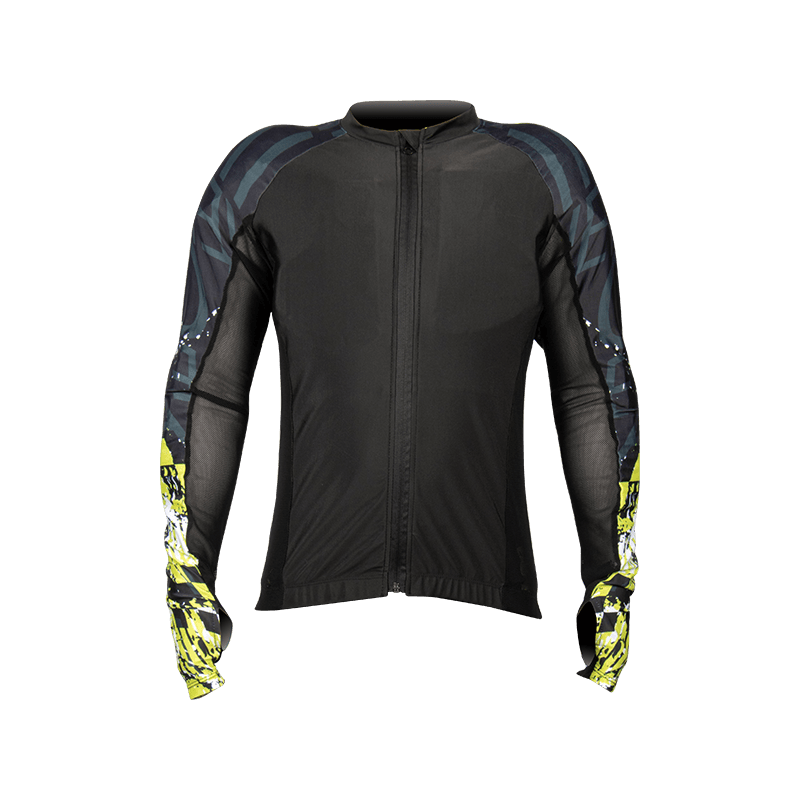
This Summer Motorcycle Breathable Protective Gear features comprehensive protection for safe riding ...
See Details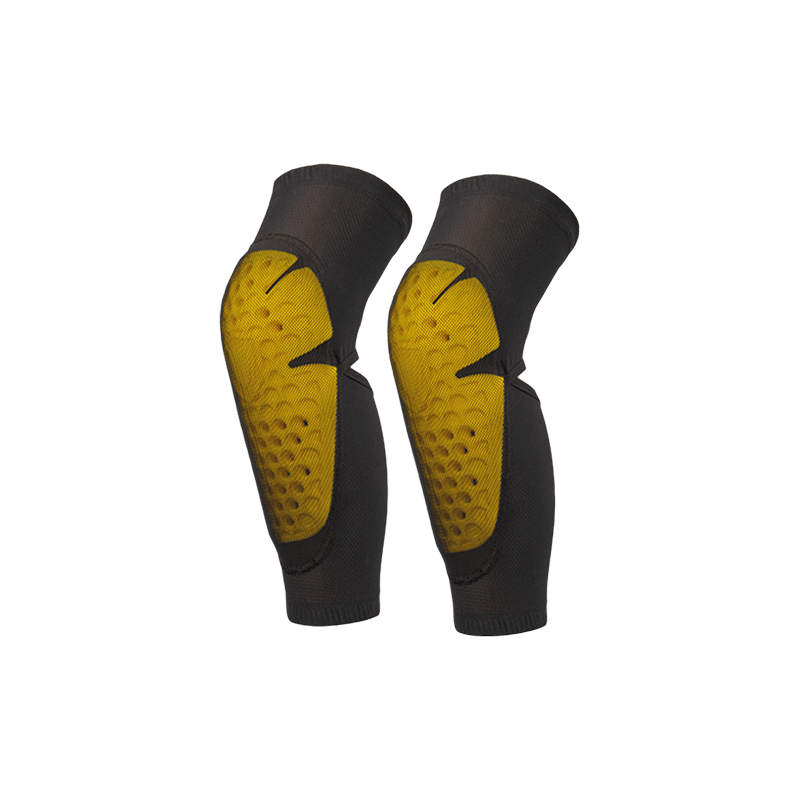
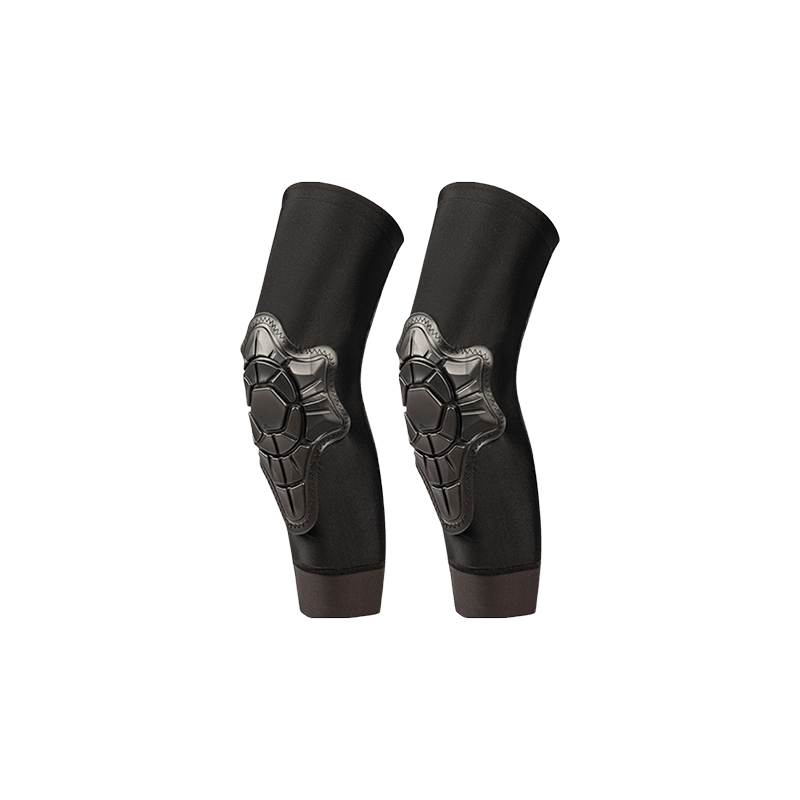
The Breathable Anti-Collision Ice Silk Fabric Knee and Elbow Pad provides professional protection fo...
See Details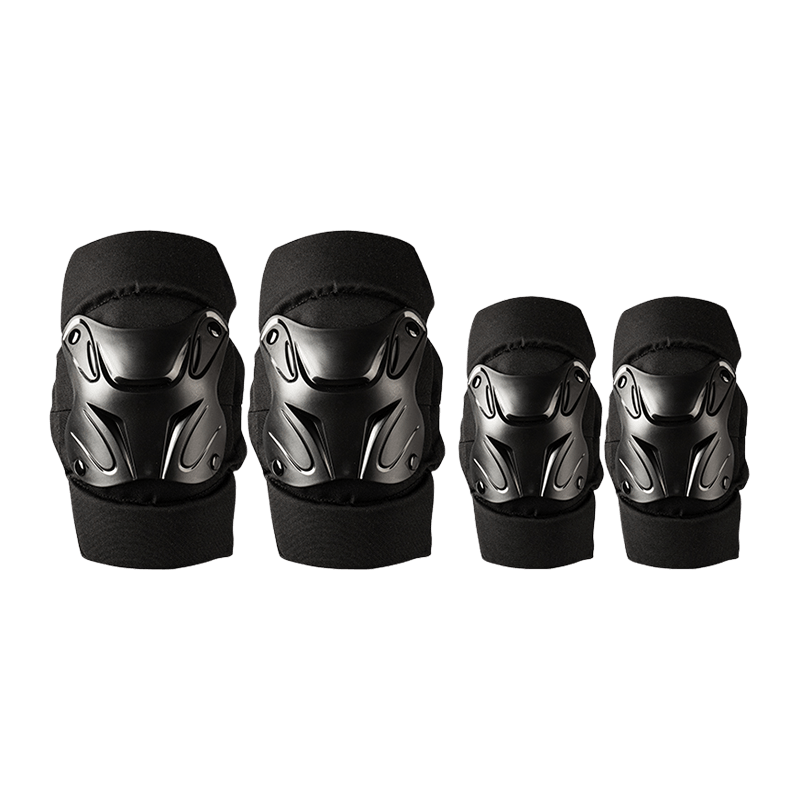
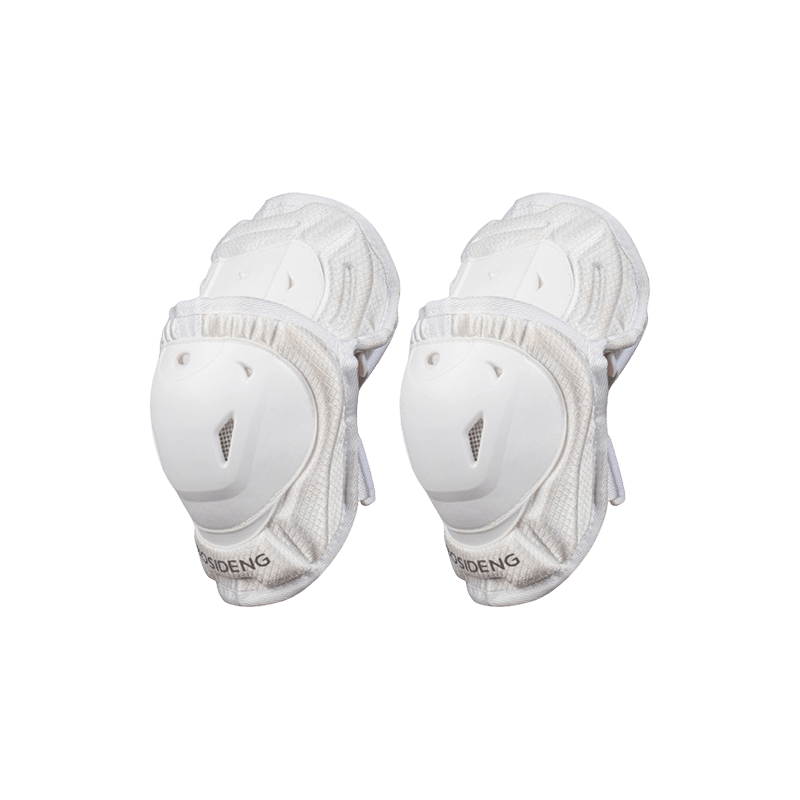
Our Adjustable Knee Pads and Elbow Pad Protectors are suitable for cycling and racing enthusiasts, p...
See Details二维码


OEM Sports Safety Gear