English
 русский
 Español
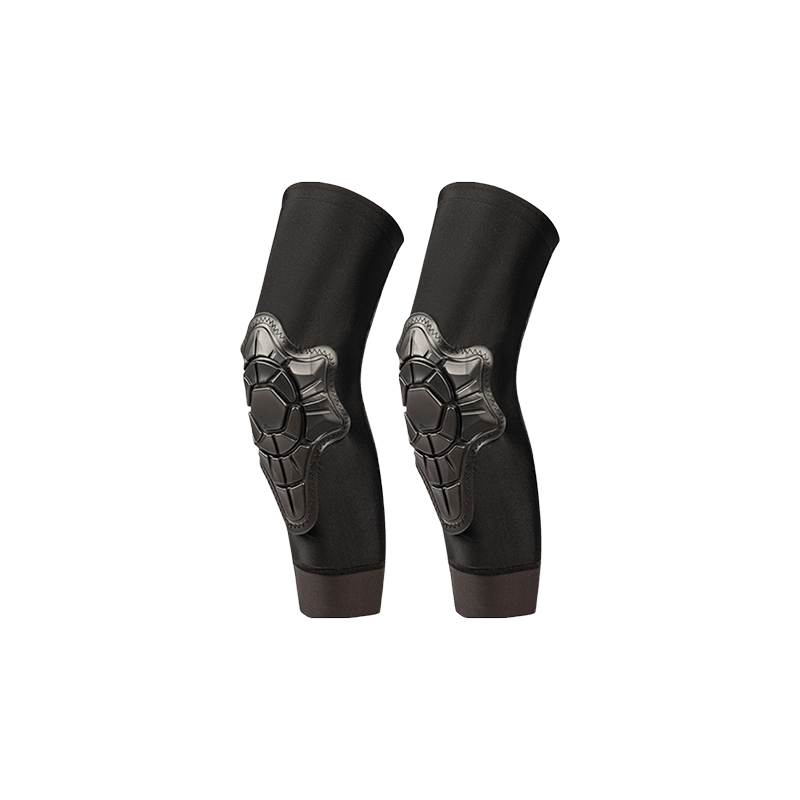
This Summer Motorcycle Breathable Protective Gear features comprehensive protection for safe riding ...
See Details
Date:Oct 16, 2026
Motorcycle riders need protective equipment that works with their movements rather than restricting them. Whether riding through city traffic, traveling on highways, or navigating winding roads, comfort, fit, and impact protection all influence how body armor performs in everyday use. For overseas distributors and motorcycle gear brands, choosing suitable Motorcycle Body Armor involves more than comparing product appearance or material descriptions. Understanding how protective components fit, move, and remain in position helps buyers make more informed sourcing decisions.
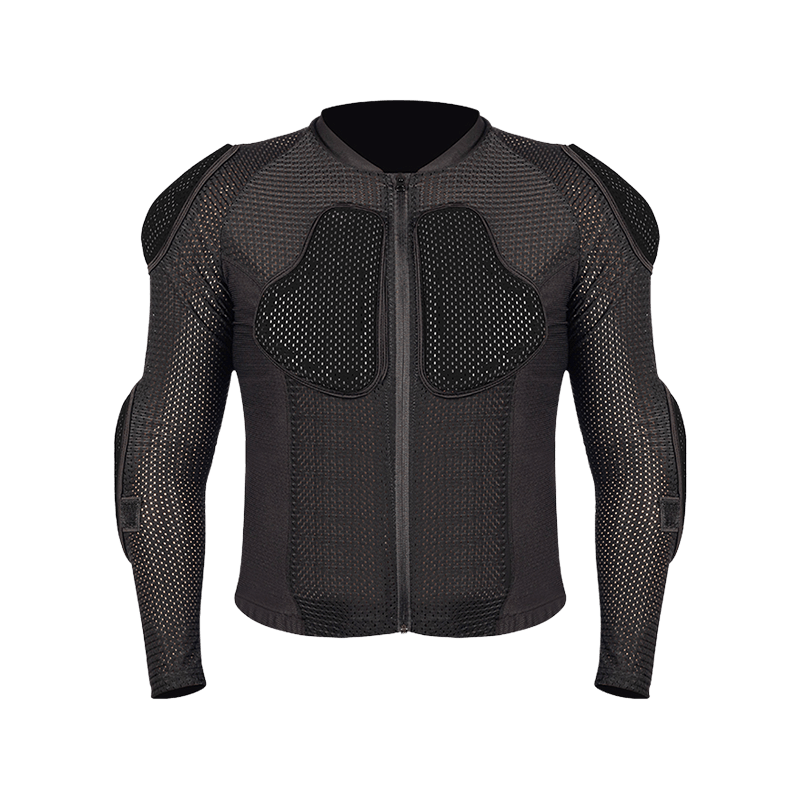
Different riding conditions create different equipment requirements. Riders may look for protection around the shoulders, elbows, chest, back, or knees, depending on the garment design and intended use. However, adding protective components without considering their placement can affect comfort and mobility.
Manufacturers need to evaluate the coverage area alongside the shape of the protective component and its intended position within a jacket, vest, or other riding garment. Buyers should also confirm whether the armor is designed for a specific garment construction or can be integrated into different product styles.
Motorcycle riders frequently bend their elbows, rotate their shoulders, lean forward, and change body position. Protective equipment that feels comfortable while standing may behave differently when the rider adopts a normal riding posture.
A practical design should account for these movements without allowing protective components to shift excessively. When developing Motorcycle Body Armor, manufacturers can assess how the shape, thickness, and flexibility of each component interact with the garment and the rider's range of motion. Sample evaluations should include repeated bending, reaching, and changes in posture rather than relying only on a static fitting.
Material choice affects the balance between impact management, flexibility, weight, ventilation, and long-term use. A material that feels soft in the hand does not automatically provide appropriate impact protection, just as a firm component is not necessarily suitable for every body area.
For product developers and procurement teams, material evaluation should reflect the intended application and relevant performance requirements. Important considerations include:
Manufacturers should avoid treating any single material property as proof of overall protective performance.
Protective components need to remain appropriately positioned during movement. If armor is too small for its designated pocket or does not match the garment's shape, coverage may be compromised. Components that are too bulky can also create pressure points or interfere with the fit of the clothing.
For overseas buyers, checking armor dimensions alongside garment sizing is an important part of product approval. Manufacturers can support this process by providing clear dimensional specifications and assessing samples with the intended garment structure. Compatibility should be confirmed before bulk production, especially when a buyer plans to use one armor design across several clothing models.
Protective equipment experiences repeated movement, compression, storage, and handling. Quality evaluation should therefore cover more than visual appearance. In addition to checking for surface defects, manufacturers can examine whether the component retains its intended shape and whether its edges and attachment features remain suitable for integration.
A practical inspection process may include:
These checks help create a more repeatable manufacturing process, although they do not replace the required impact-performance testing.
When sourcing motorcycle protection in bulk, buyers may receive samples that look similar but differ in dimensions, flexibility, construction, or documented performance. Without clear specifications, comparing these products can become difficult, and expectations may vary between the sample approval stage and final production.
Manufacturers should provide accurate product descriptions, dimensional information, material details, intended applications, and available test documentation. Buyers should also clarify the required protection level, garment compatibility, labeling, and packaging before confirming an order. These details make it easier to evaluate whether a product fits the needs of a particular market or riding gear collection.
A successful Motorcycle Body Armor design brings together appropriate coverage, reliable positioning, comfortable movement, suitable materials, and consistent production quality. For overseas brands and distributors, the best purchasing decision comes from evaluating these elements as a complete system rather than choosing by appearance or softness alone.
As a manufacturer, focusing on application requirements, sample verification, and clearly defined production specifications helps create protective components that are easier for buyers to assess and integrate into their product lines. When protection, fit, and manufacturing consistency are considered from the beginning, Motorcycle Body Armor can better meet the practical expectations of riders and the sourcing requirements of professional buyers.
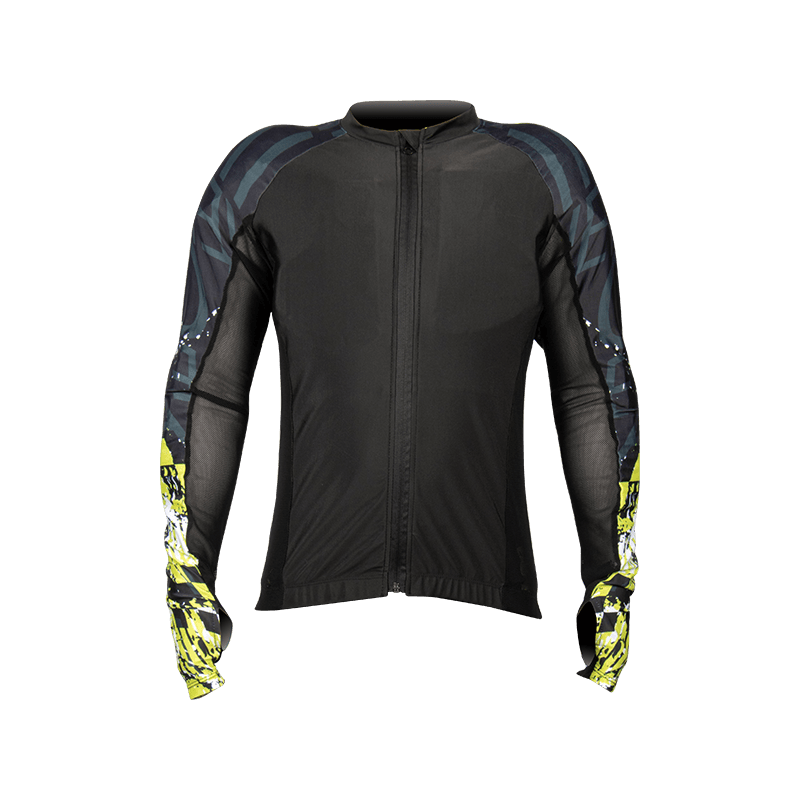
This Summer Motorcycle Breathable Protective Gear features comprehensive protection for safe riding ...
See Details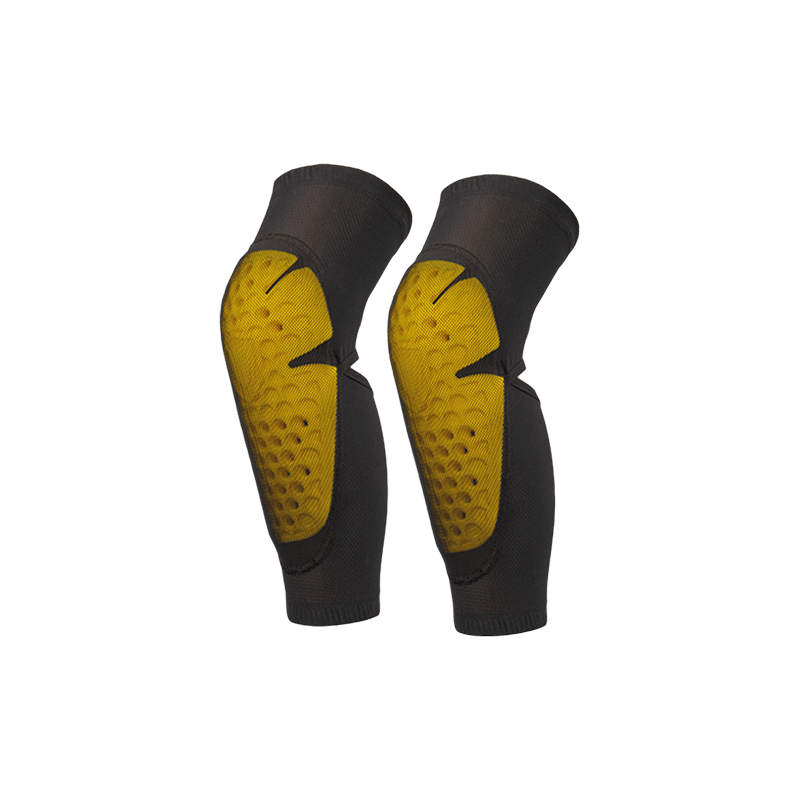
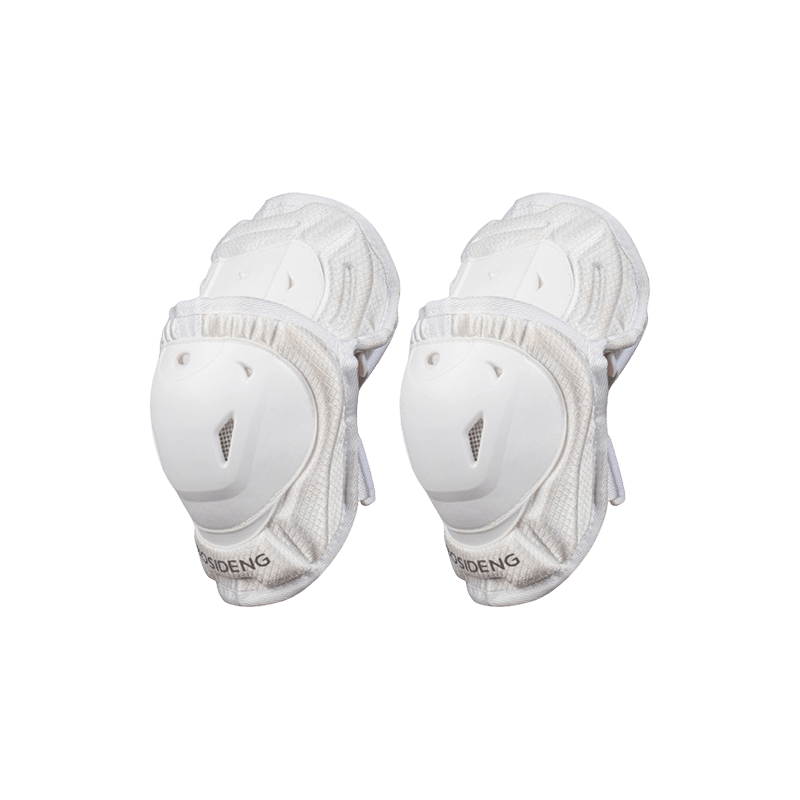
The Breathable Anti-Collision Ice Silk Fabric Knee and Elbow Pad provides professional protection fo...
See Details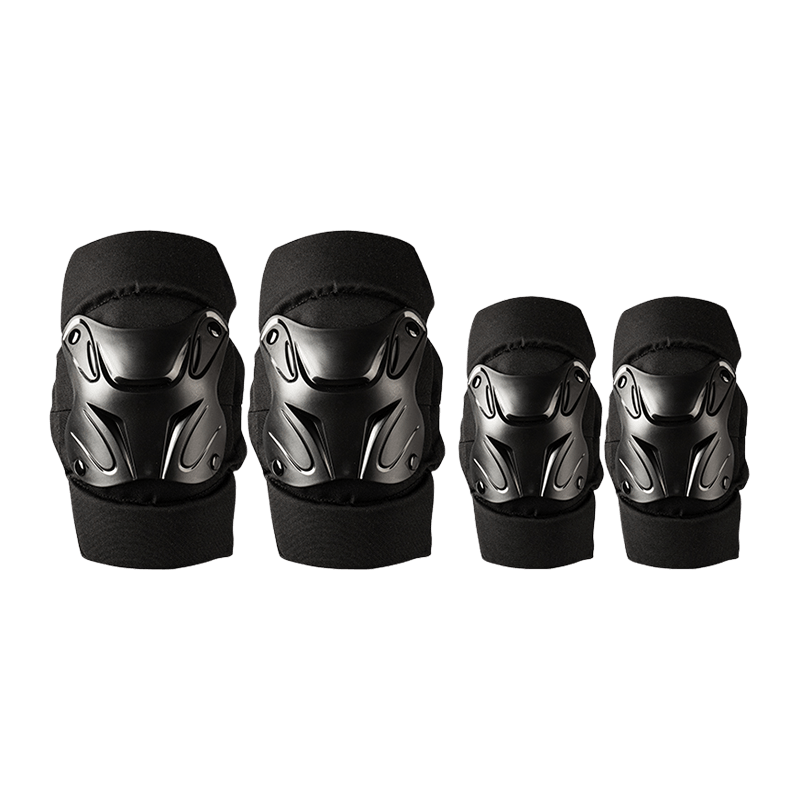
Our Adjustable Knee Pads and Elbow Pad Protectors are suitable for cycling and racing enthusiasts, p...
See Details二维码


OEM Sports Safety Gear