Protective Gear for Wheeled & Ice Sports: A Practical Guide to Roller Skating, Skateboarding, Balance Bike, and Ice Skating Safety Equipment
Across skating and balance-based sports, most injuries don’t come from extreme tricks—they happen during everyday movement: a small loss of balance, a delayed reaction, or an unexpected surface change. That’s why roller skating protective gear, skateboarding protective gear, balance bike protective gear, and ice skating protective gear all share one core purpose: controlling impact during unavoidable falls.
Even though each sport feels different, the safety logic behind them is surprisingly similar.
1. Roller Skating Protective Gear: Designed for Repetitive Motion Falls
Roller skating protective gear is built around one reality—falls are frequent but usually low-to-medium speed.
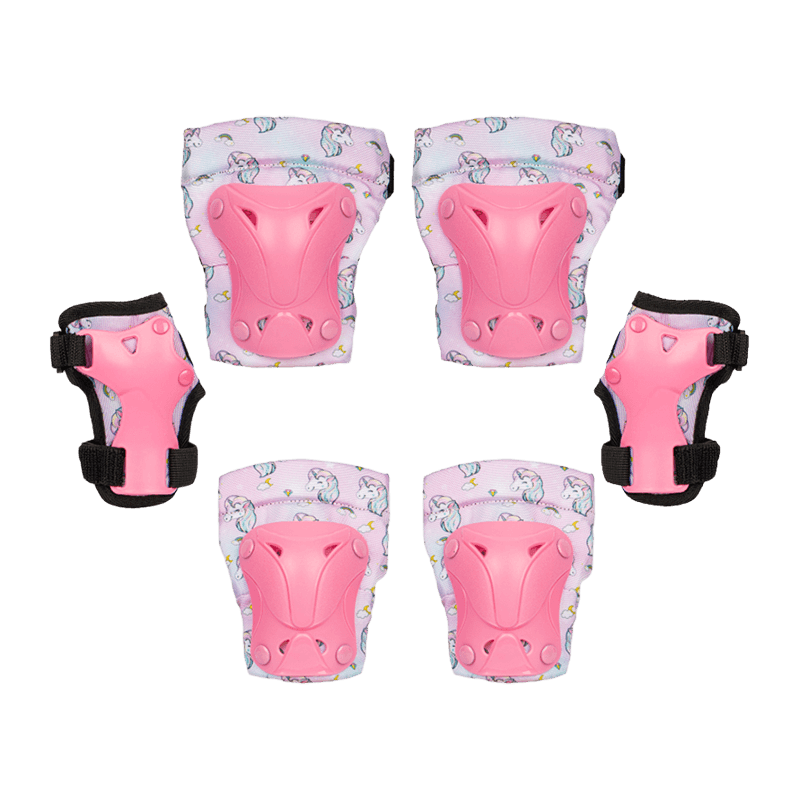
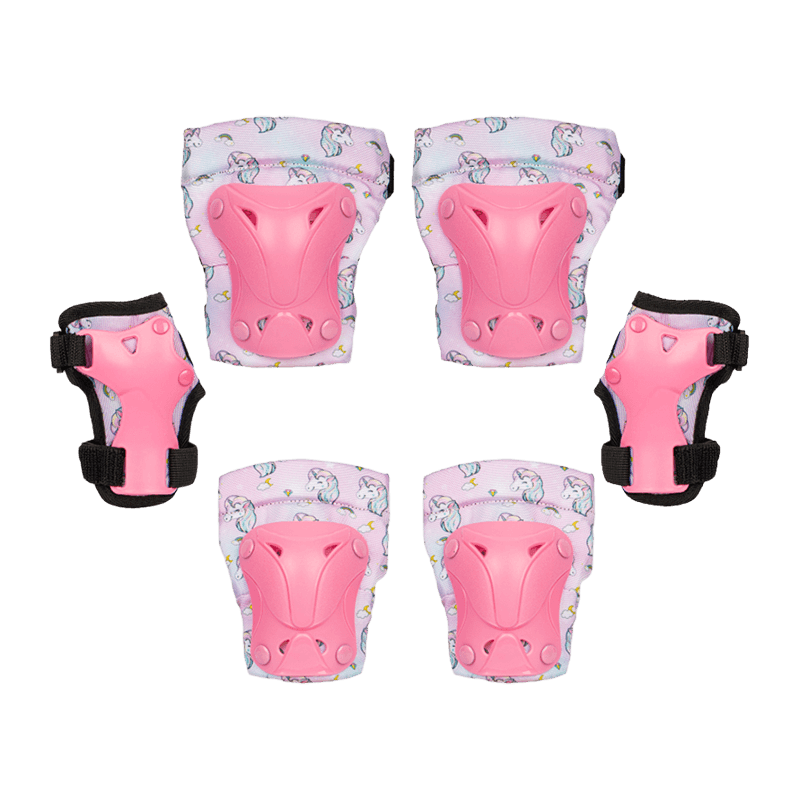
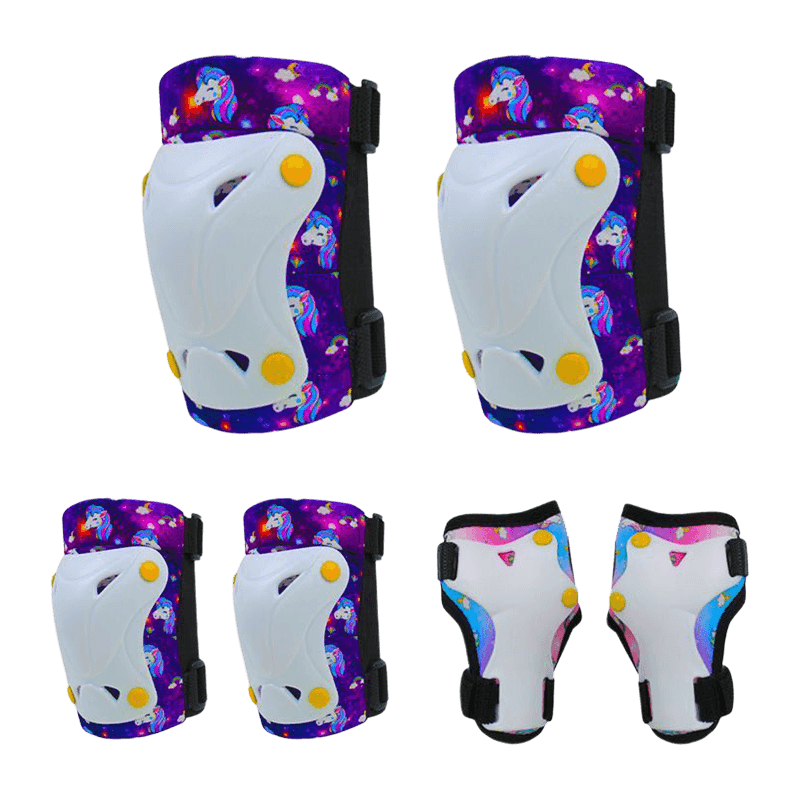
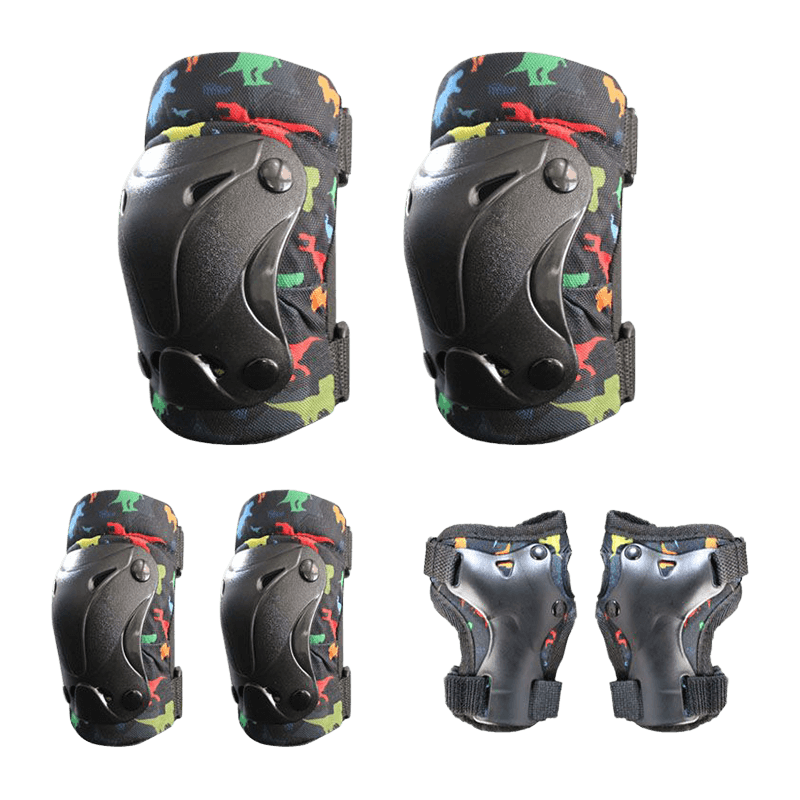
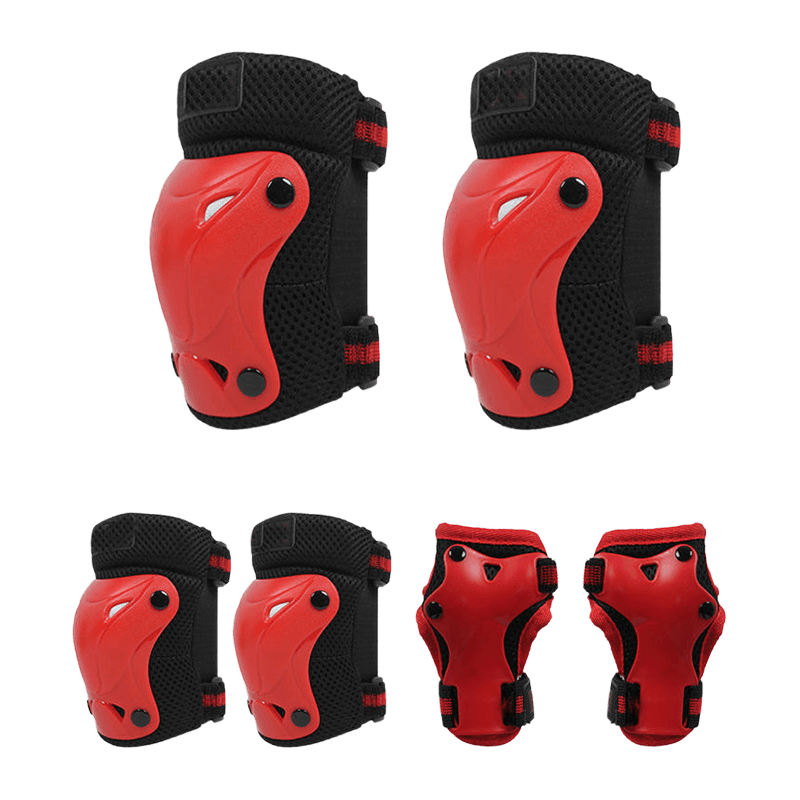
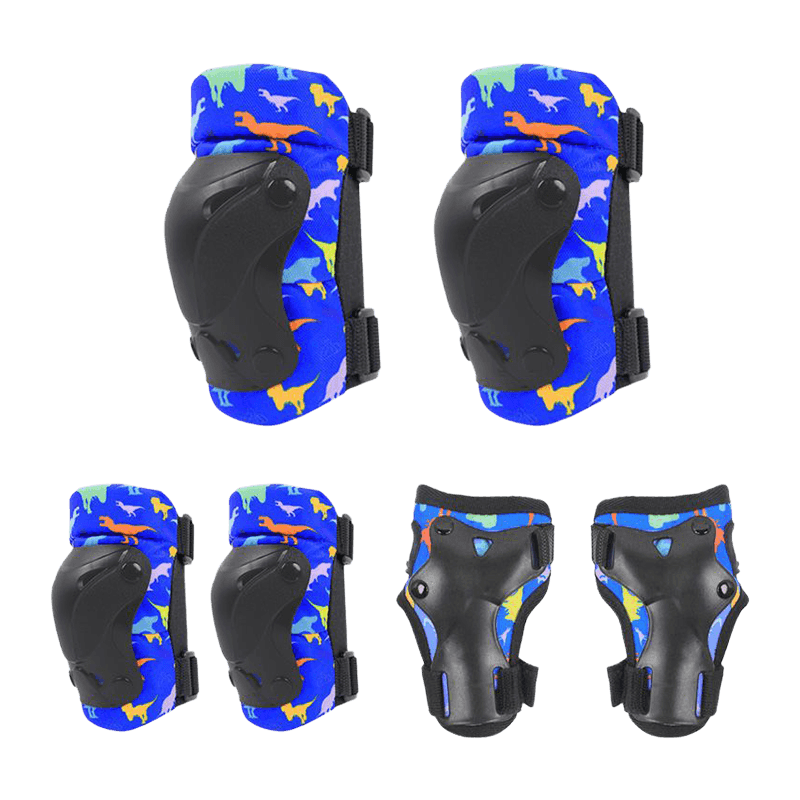
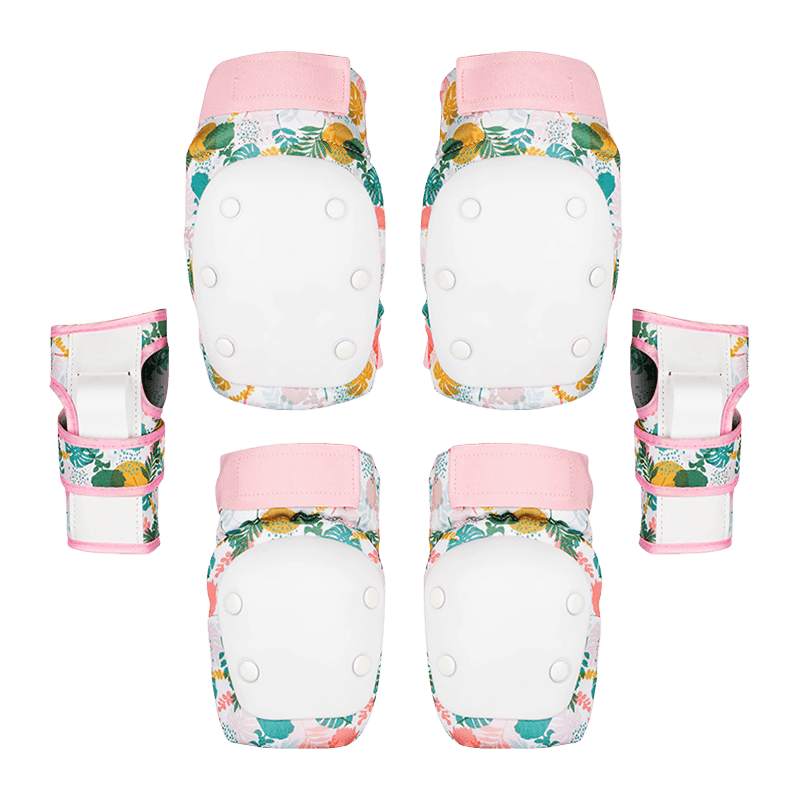
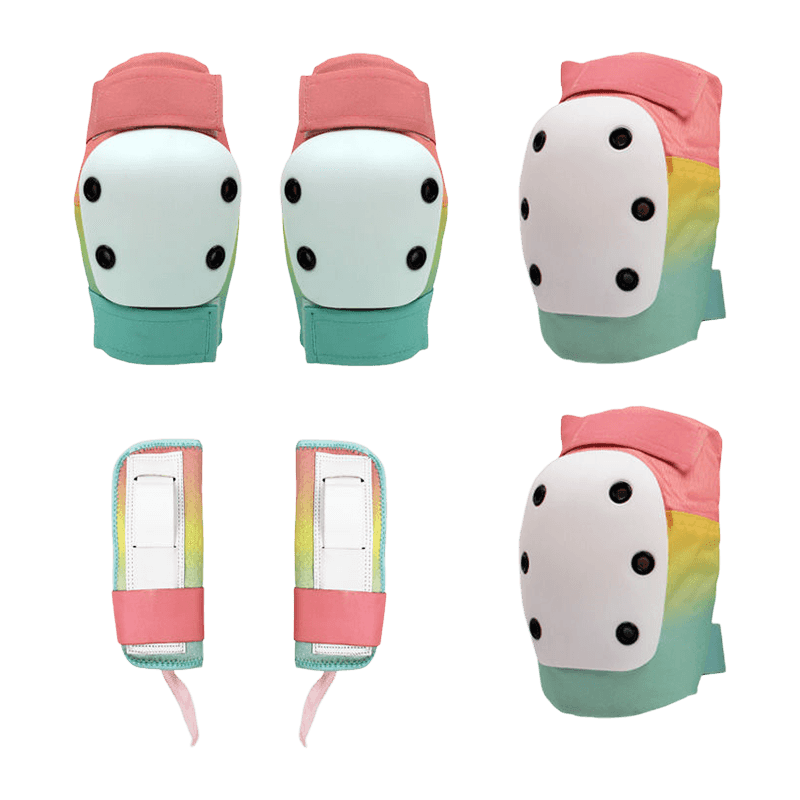
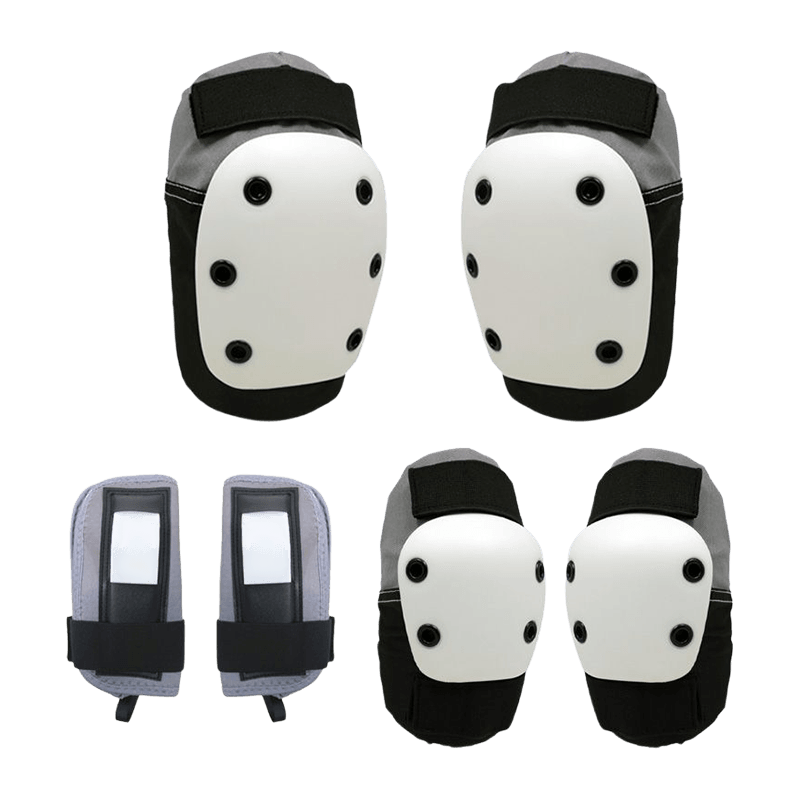
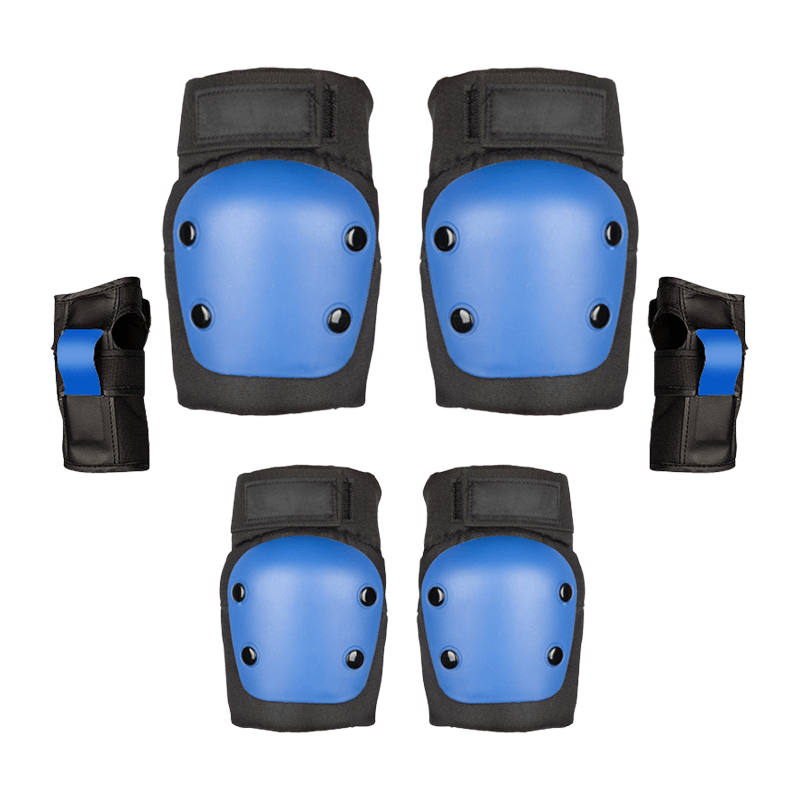
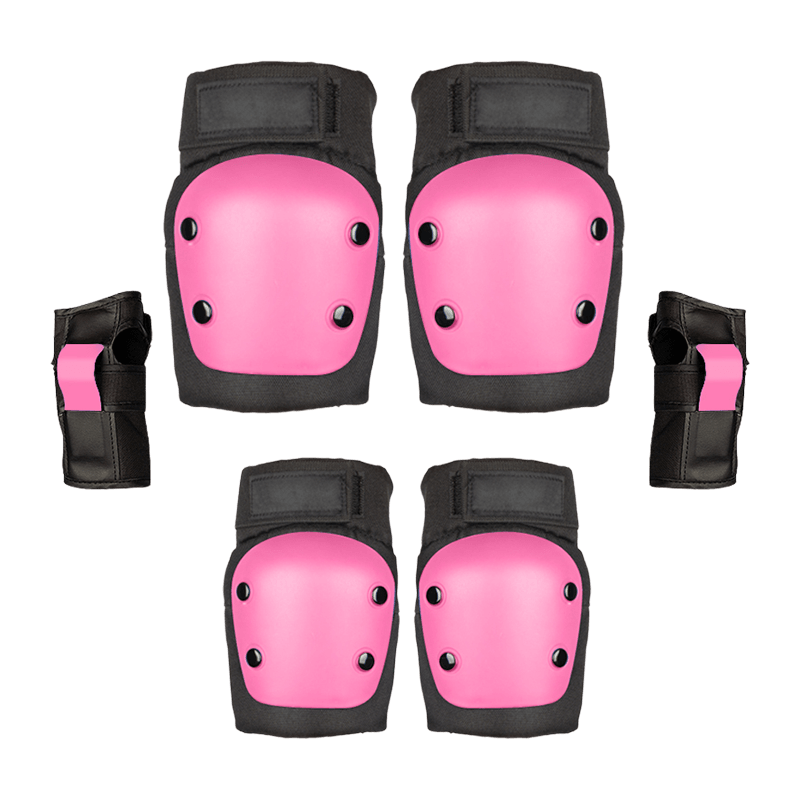
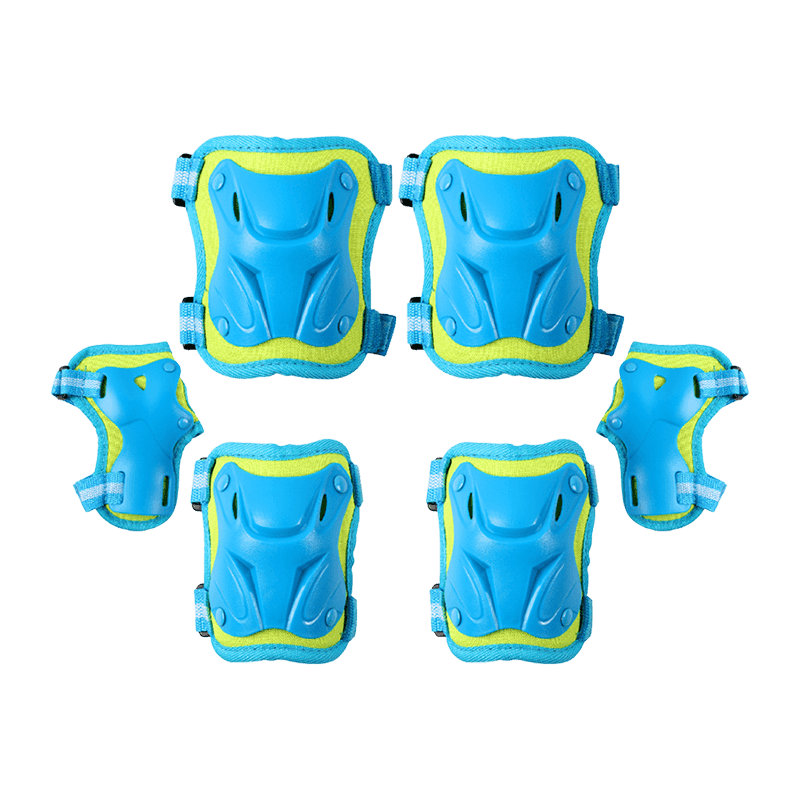
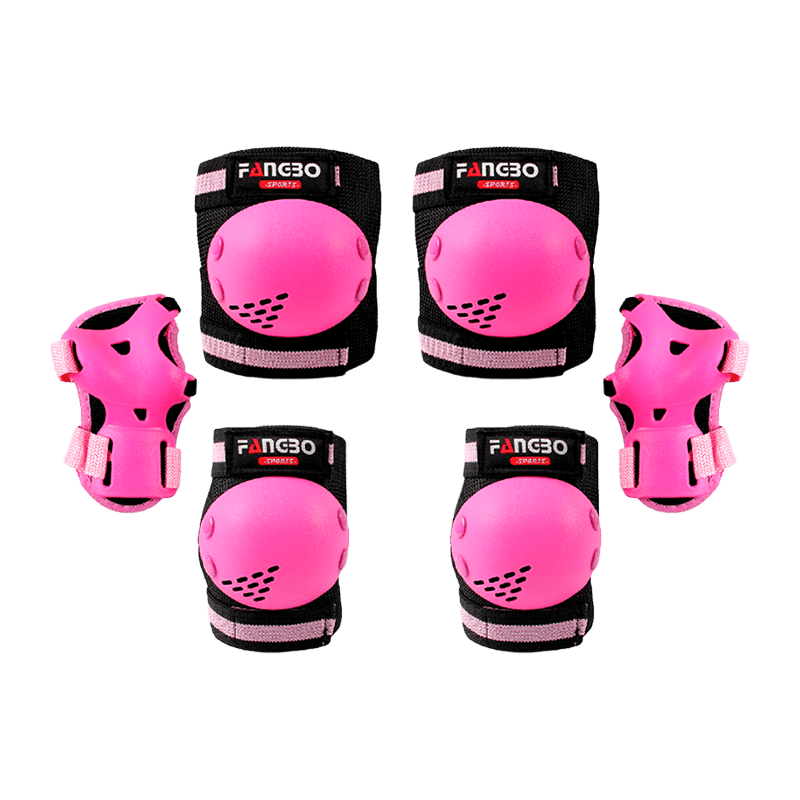
What it includes in most setups
- Knee pads for forward sliding falls
- Elbow pads for side impacts
- Wrist guards for instinctive hand support
- Optional hip or tailbone padding for beginners
How it works in real skating environments
Roller skaters rarely fall in a straight, controlled way. Instead, falls often involve:
- Sideways imbalance during turns
- Backward slips during acceleration
- Forward knee-first contact on smooth surfaces
That’s why search intent often includes:
- roller skating protective gear for beginners adults
- comfortable knee and wrist protection for roller skating rink
- lightweight roller skating pads for long sessions
The focus here is comfort + repeat-use durability, not just maximum protection.
2. Skateboarding Protective Gear: High-Impact, High-Variability Protection
Skateboarding protective gear is built for a completely different risk profile compared to roller skating. Skateboard falls are often sudden, angular, and unpredictable due to terrain and trick execution.
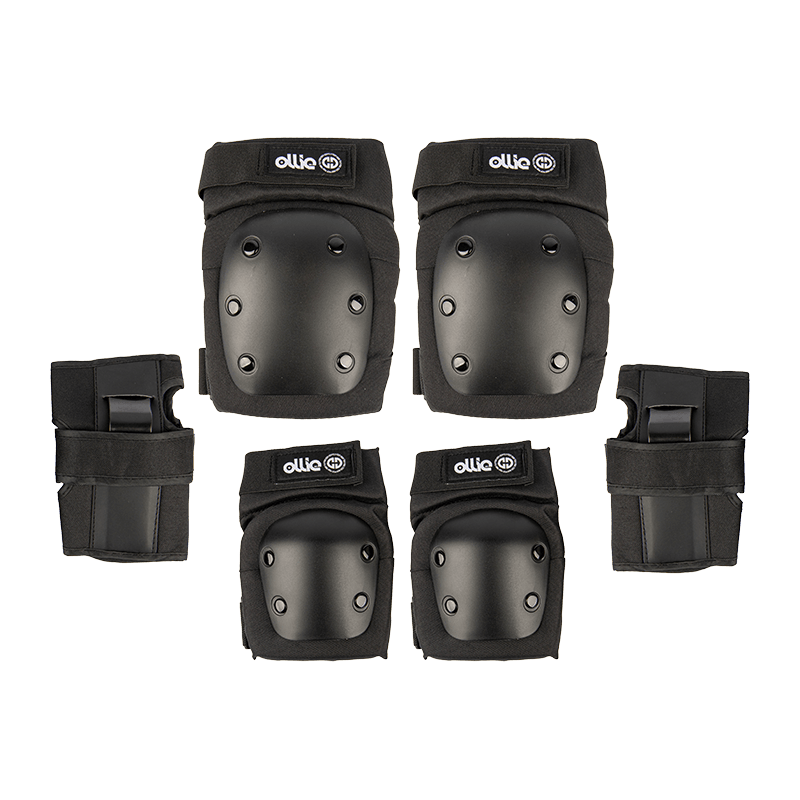
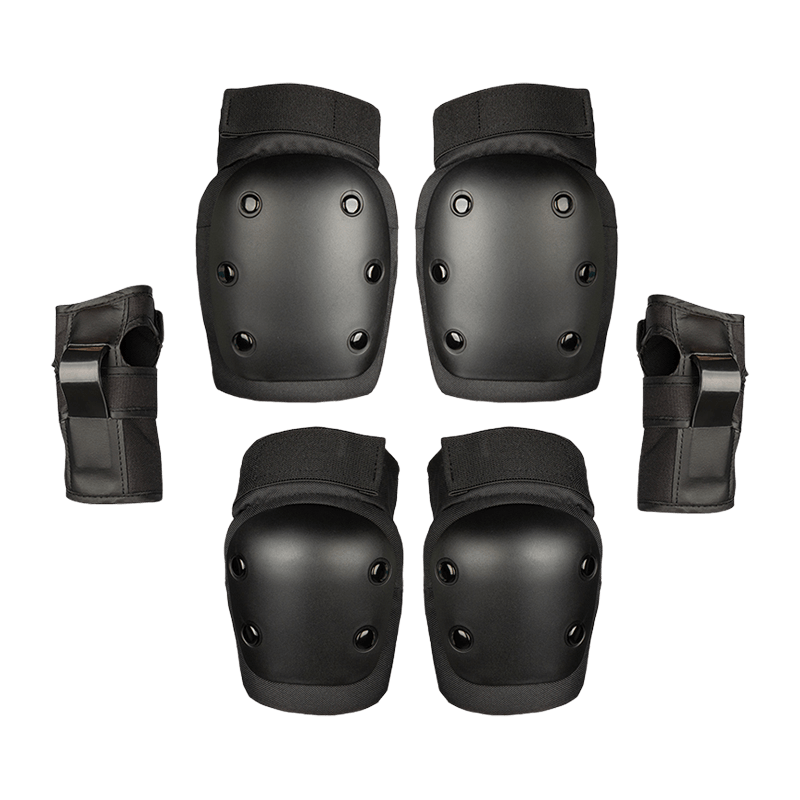
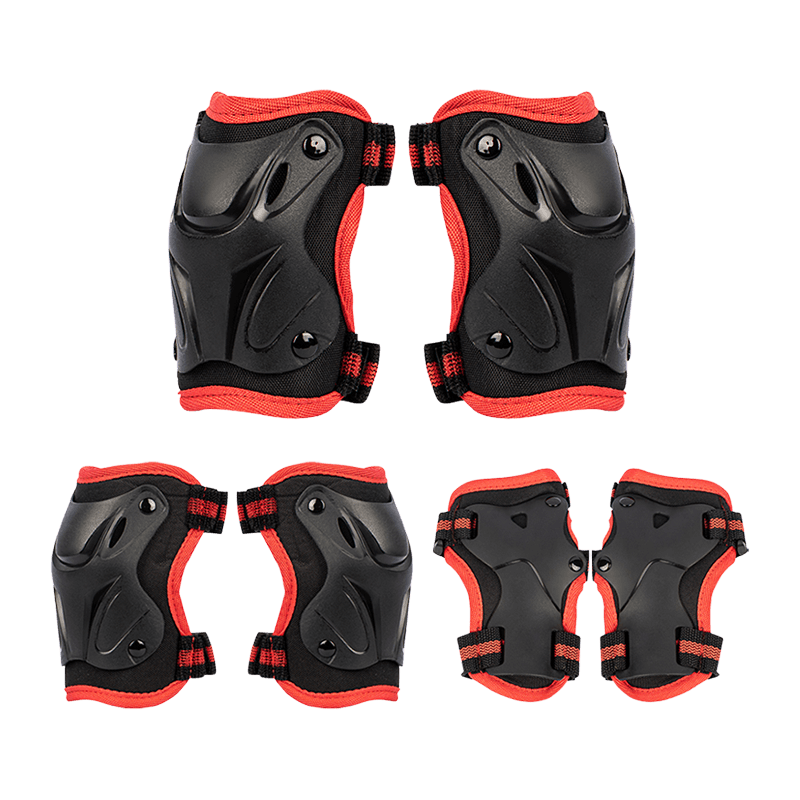
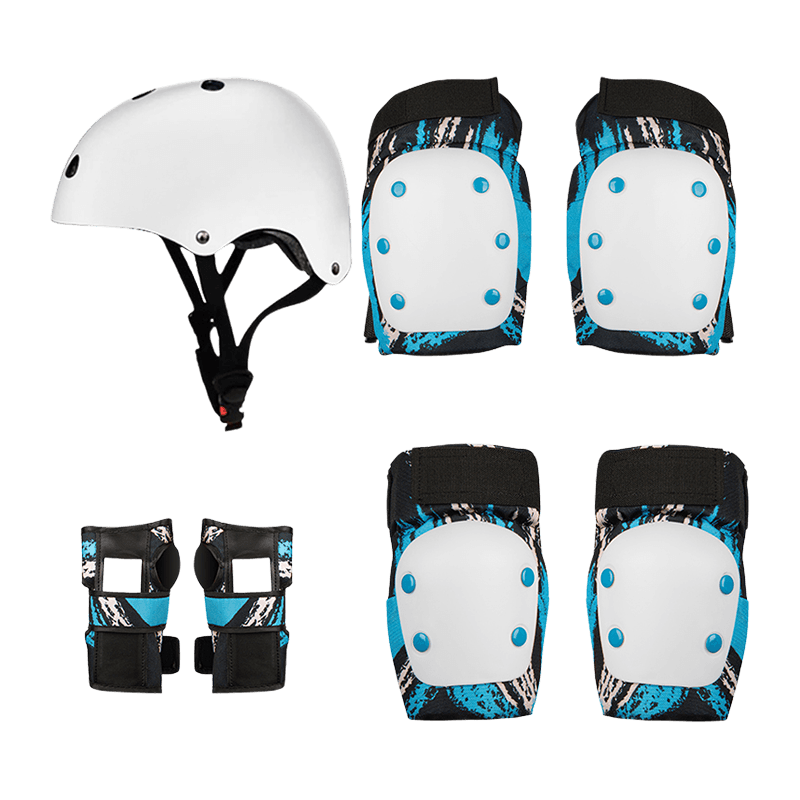
Core protective components
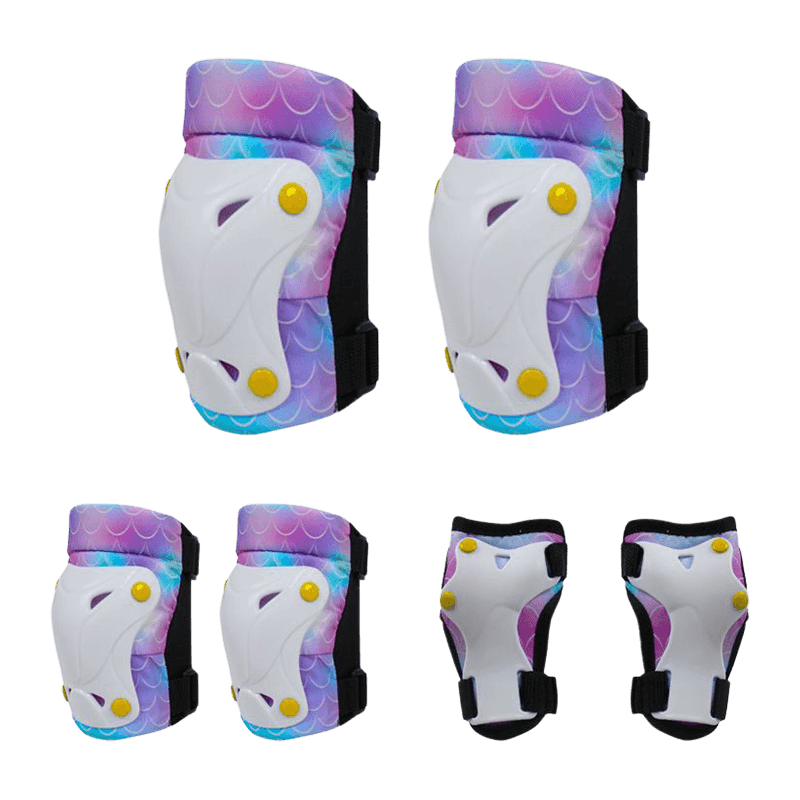
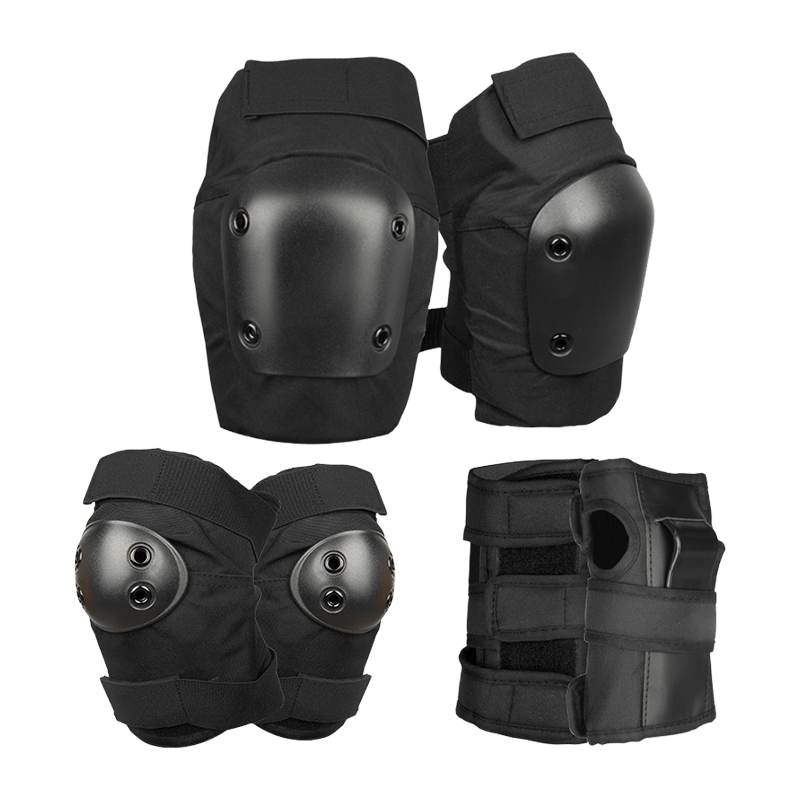
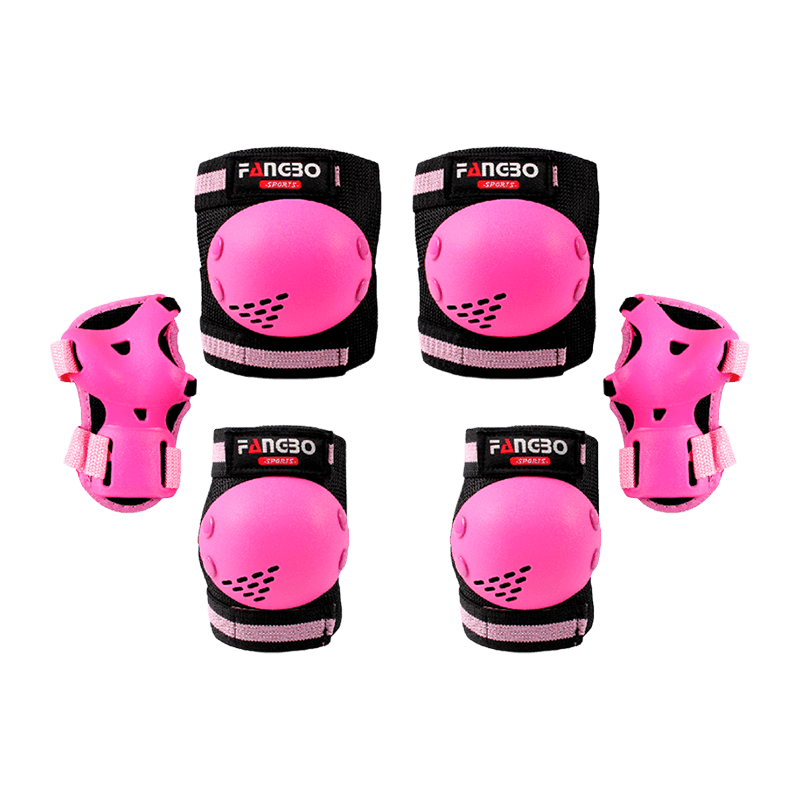
- Reinforced knee pads (often hard-shell)
- Heavy-duty elbow protection
- Wrist guards with rigid support bars
- Optional impact shorts or hip padding
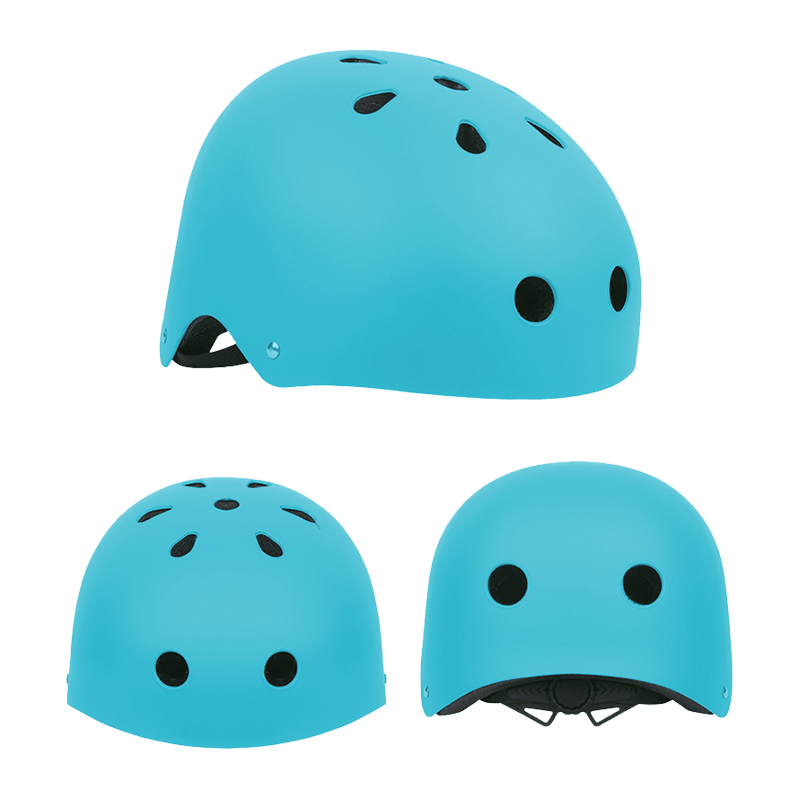
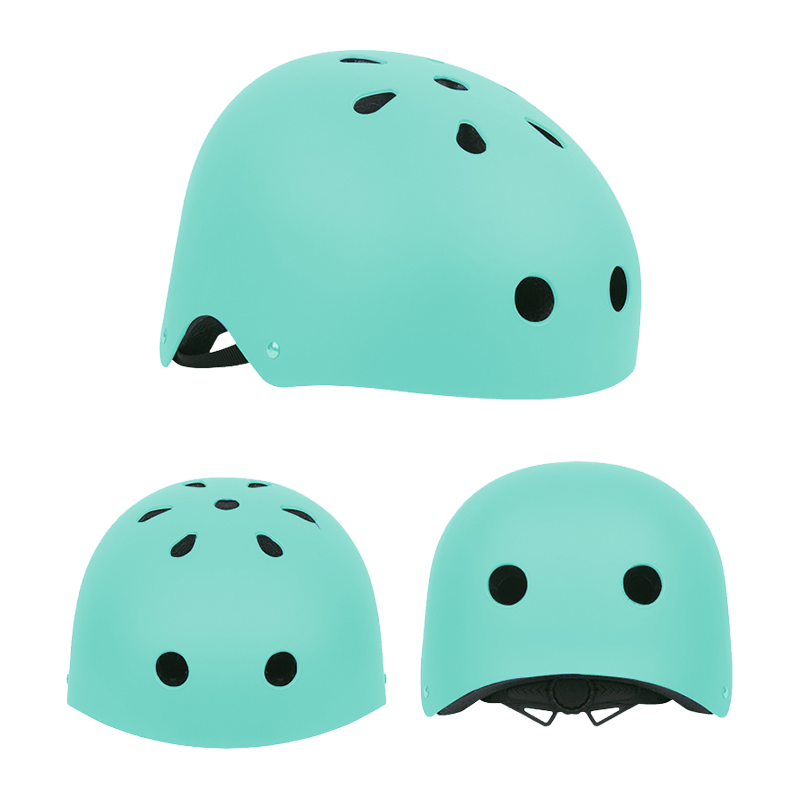
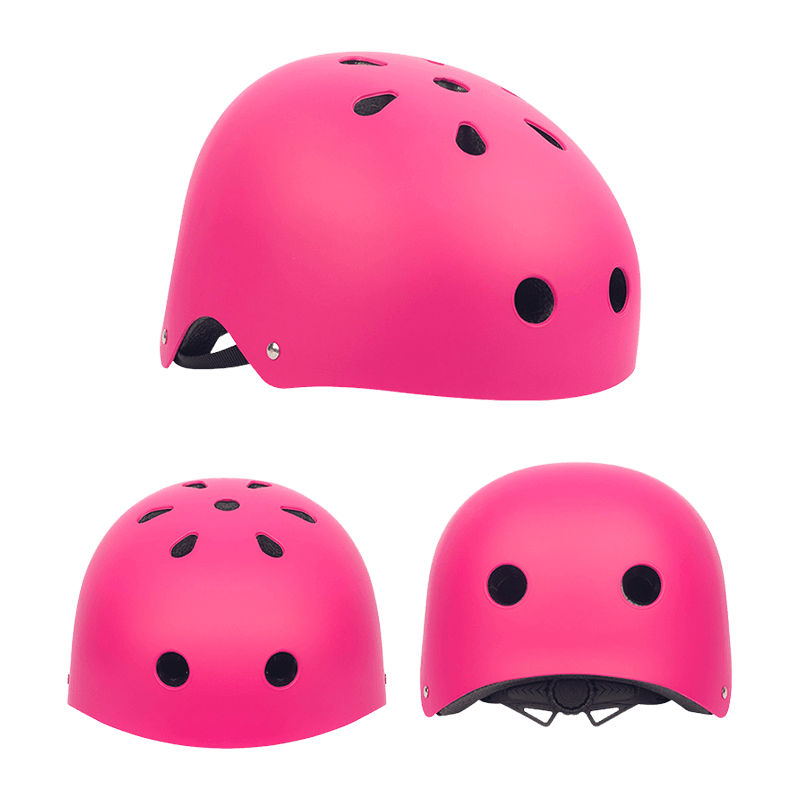
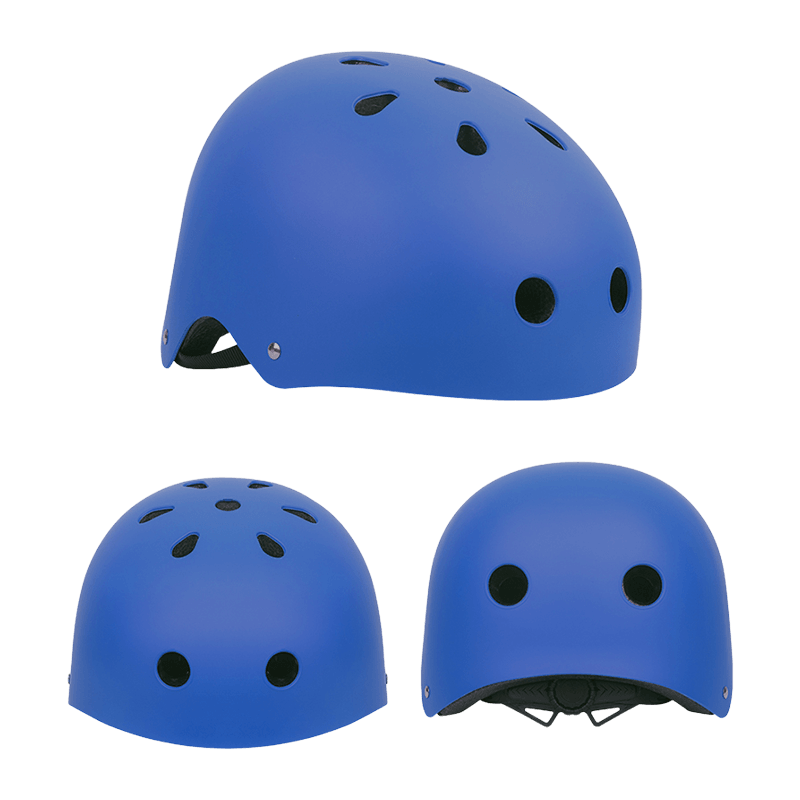
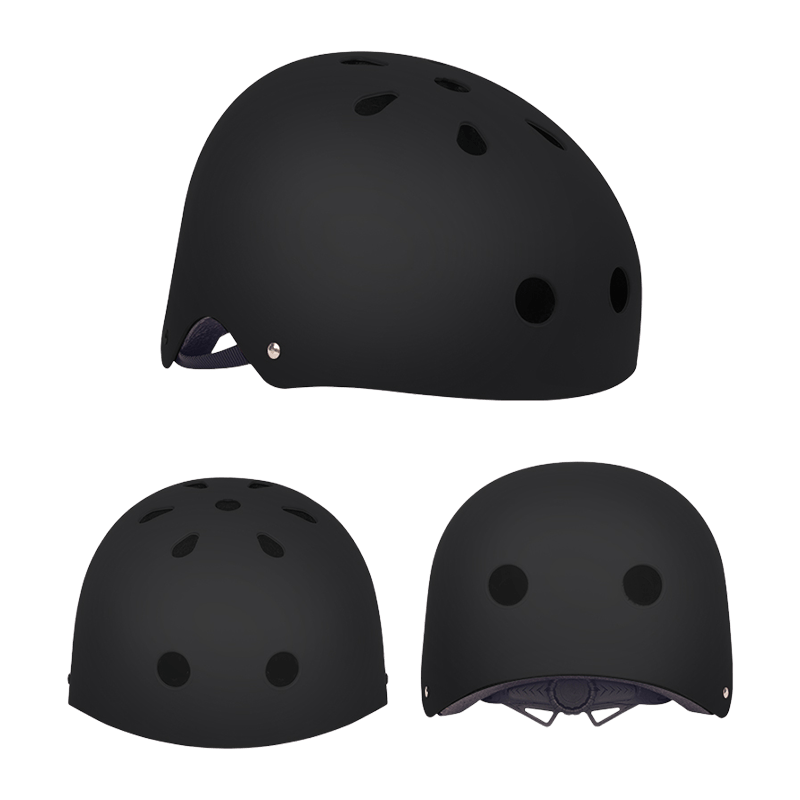
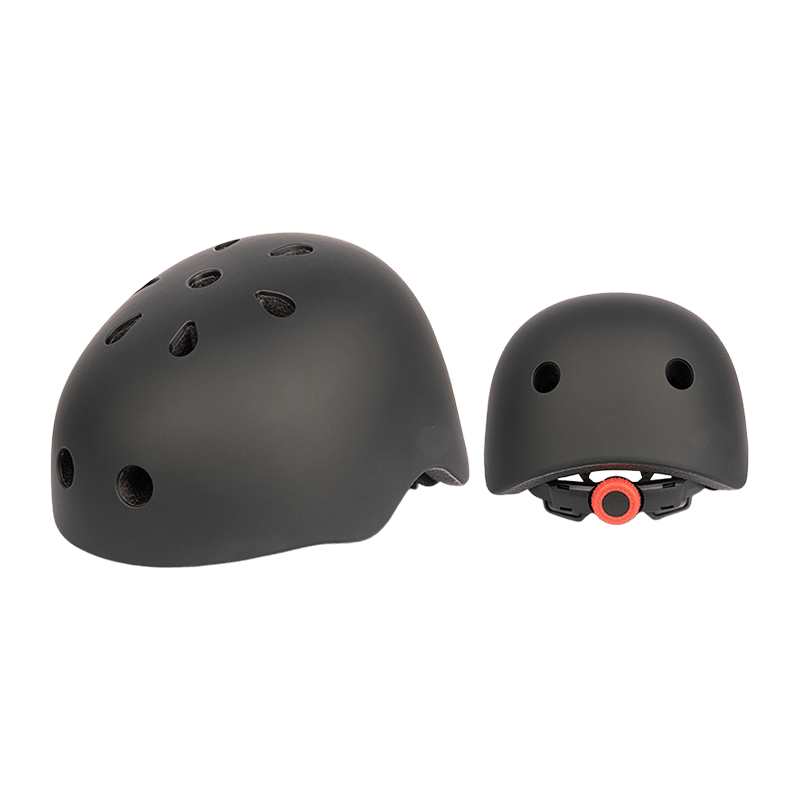
- Helmet (critical for street and park skating)
Real-world skateboarding scenarios
- Missing landing during ollies or flips
- Sliding impact on concrete skateparks
- Unexpected board kickback during tricks
- High-speed street riding falls
Unlike roller skating, skateboarding gear prioritizes impact absorption + abrasion resistance, because concrete friction is a major injury factor.
3. Balance Bike Protective Gear: Early-Stage Safety for Learning Riders
Balance bike protective gear is mainly used for children learning coordination, steering, and balance before transitioning to pedal bikes.
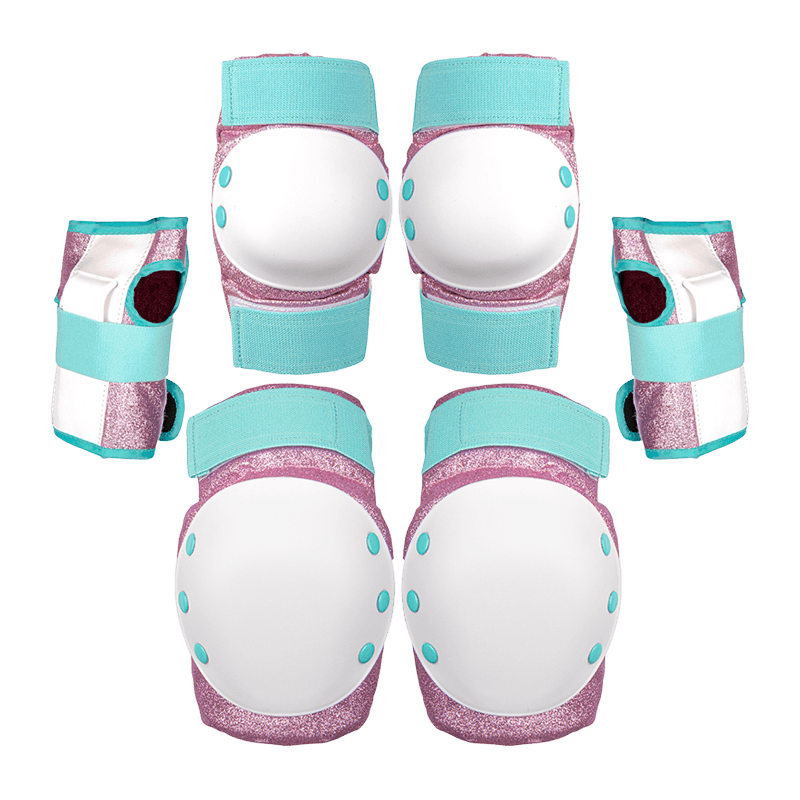
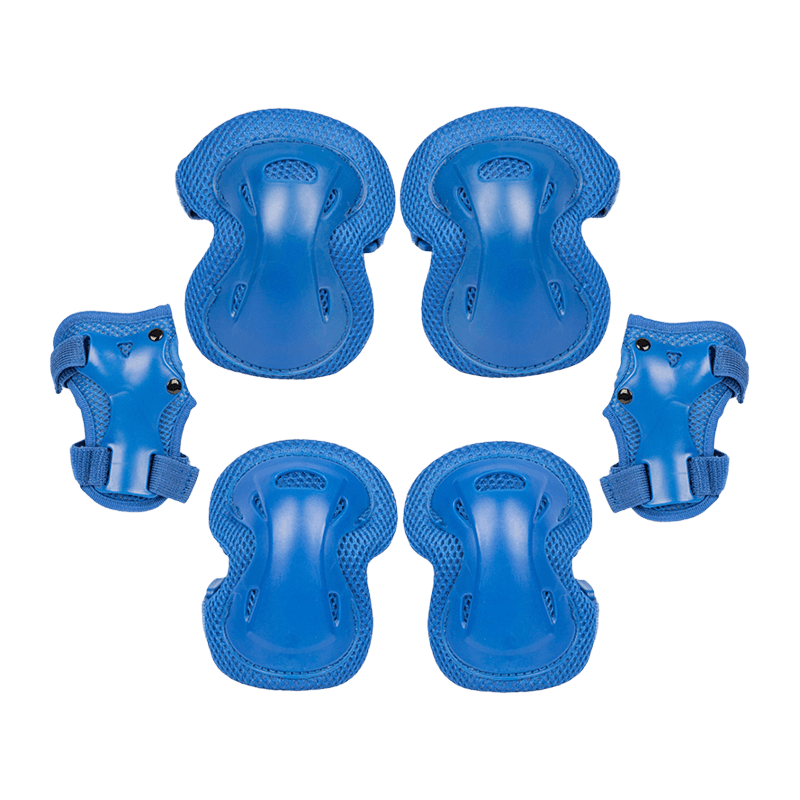
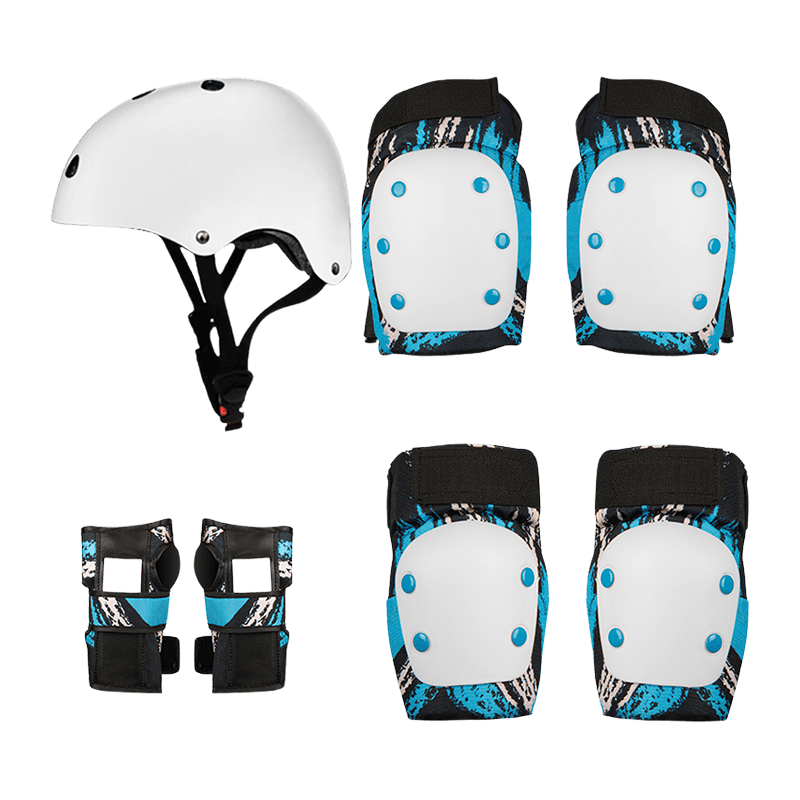
Typical protective setup
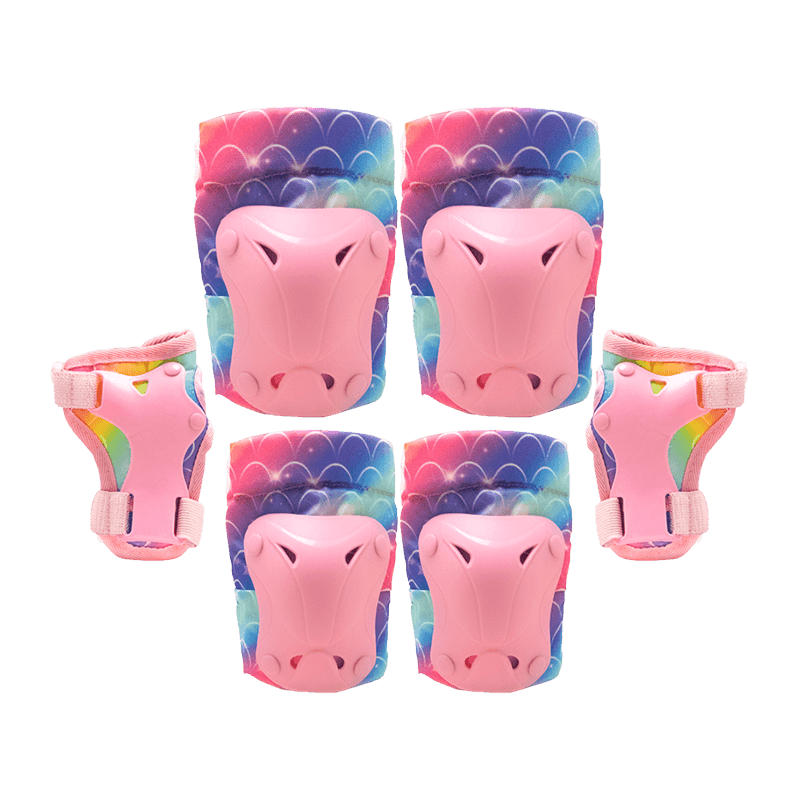
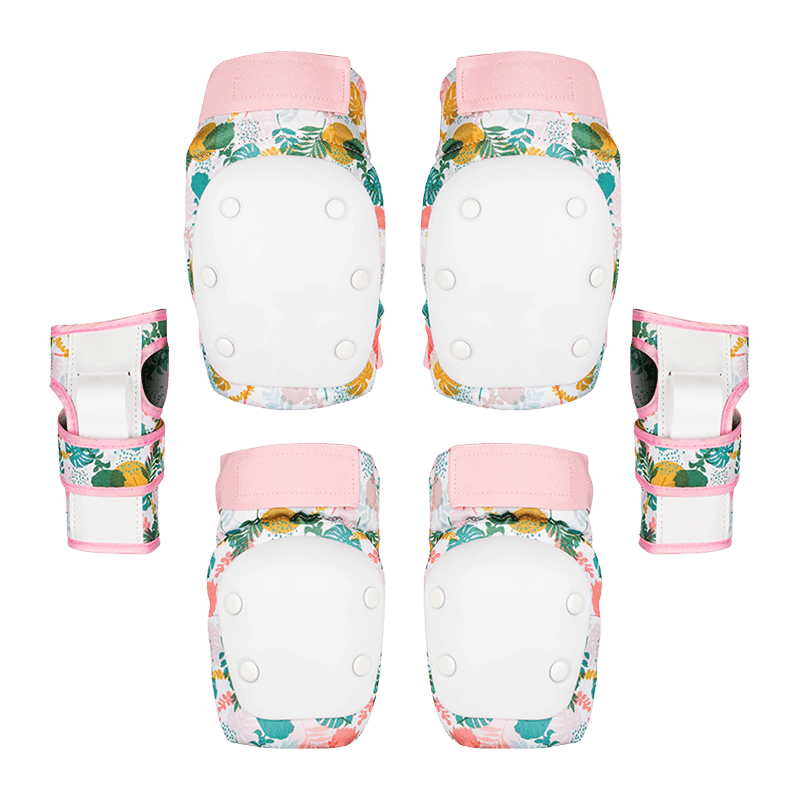
- Lightweight knee pads
- Soft elbow protection
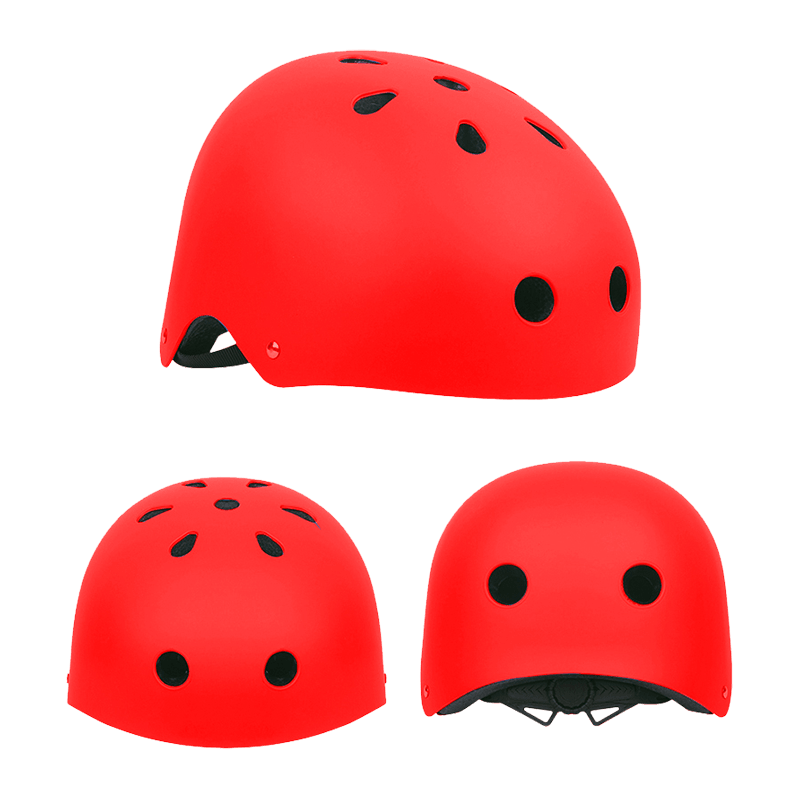
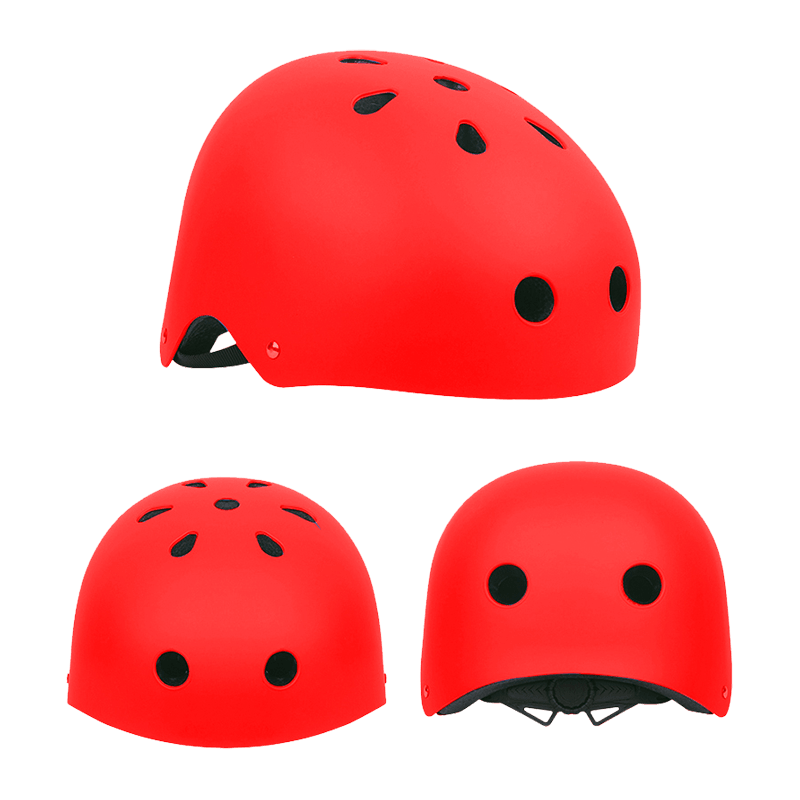
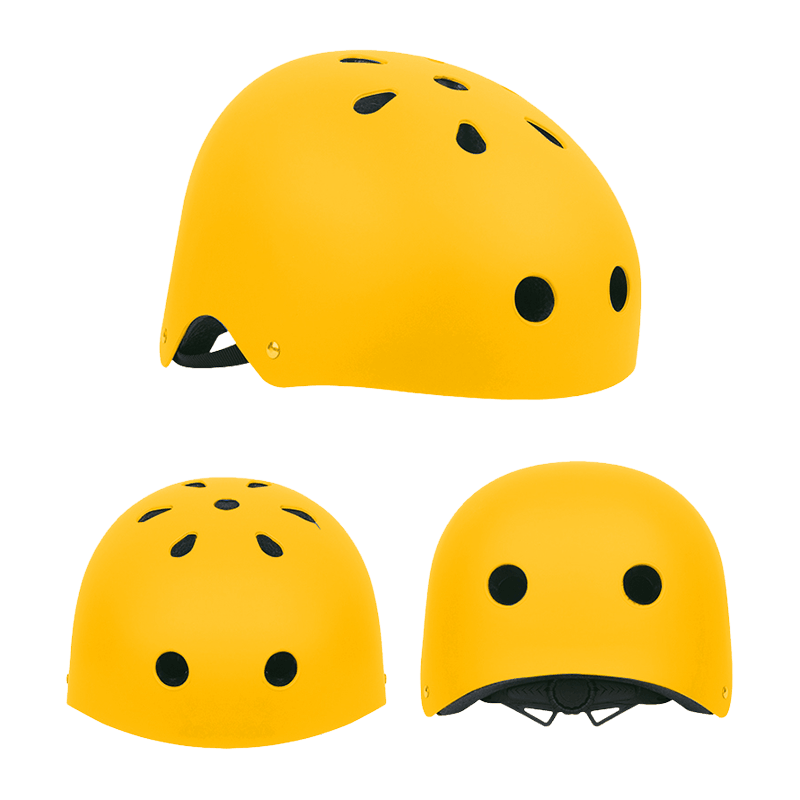
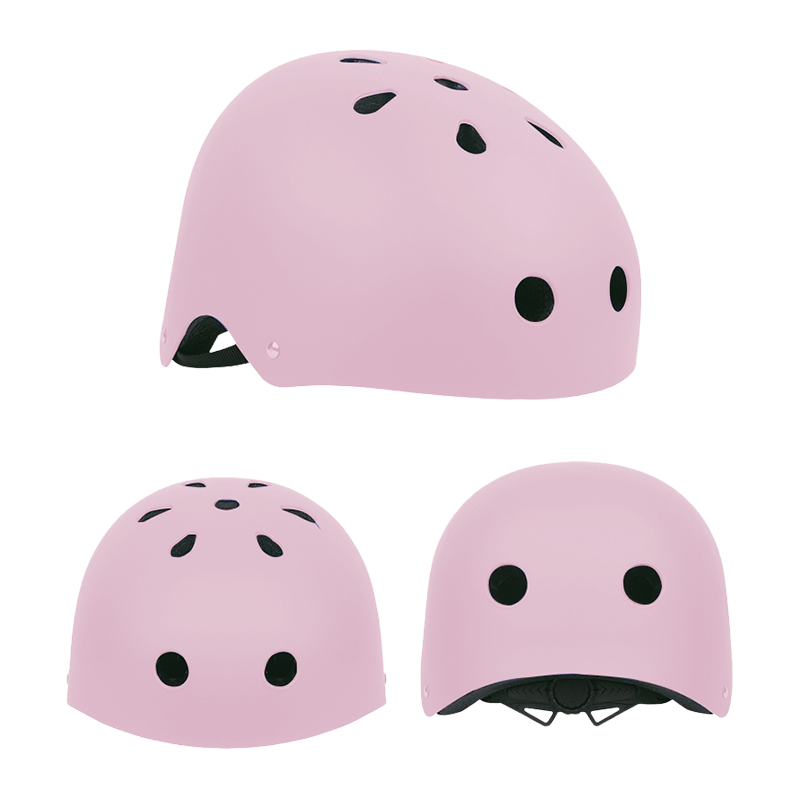
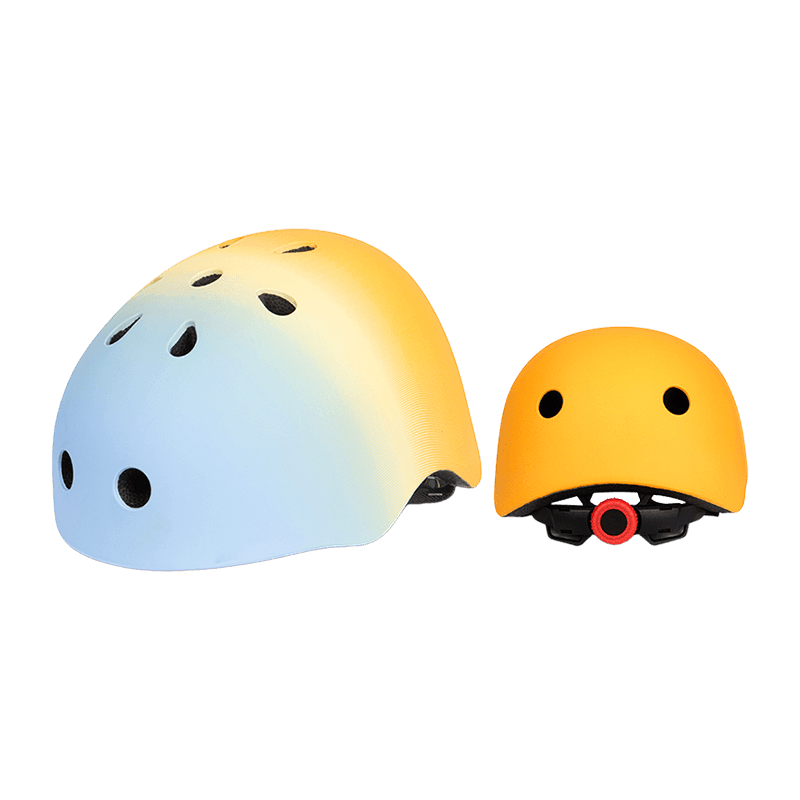
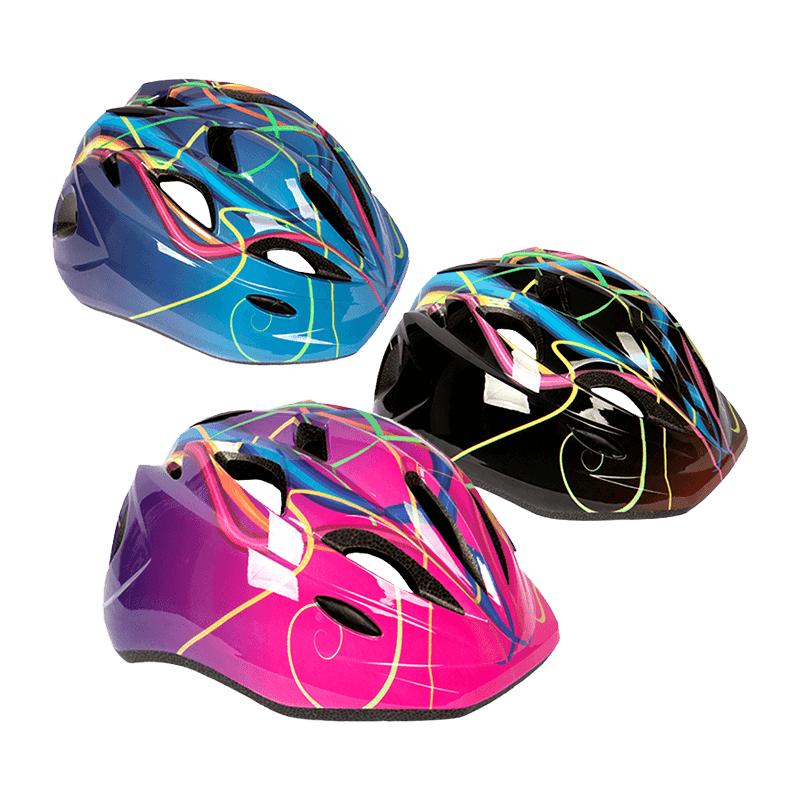
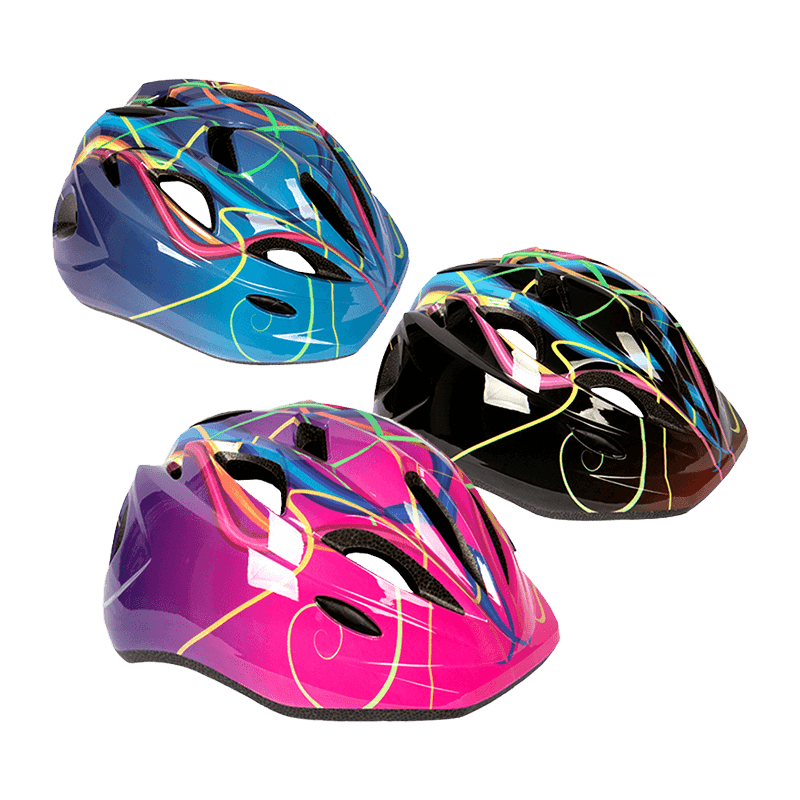
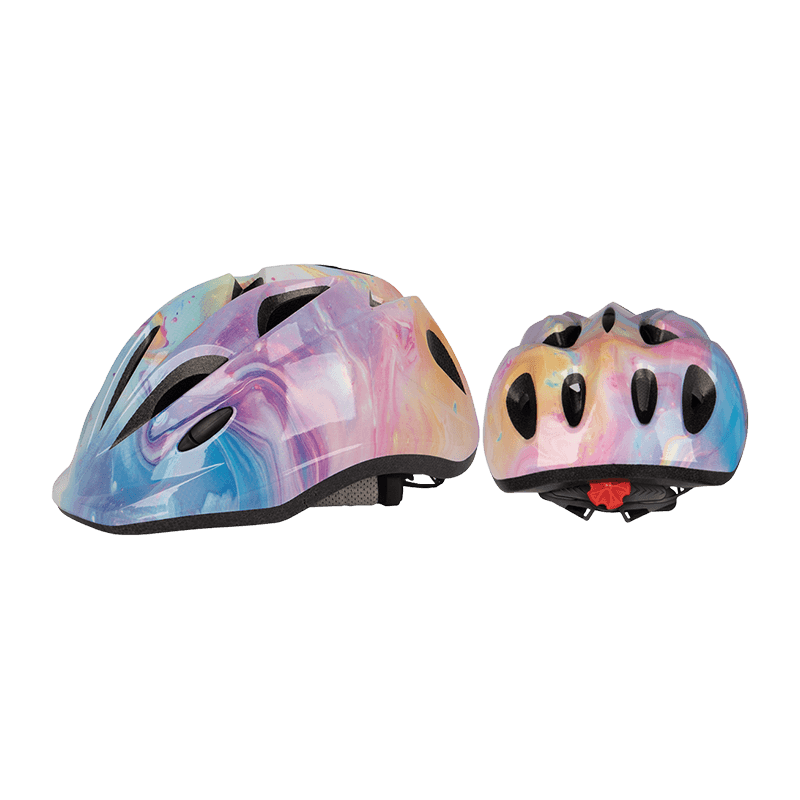
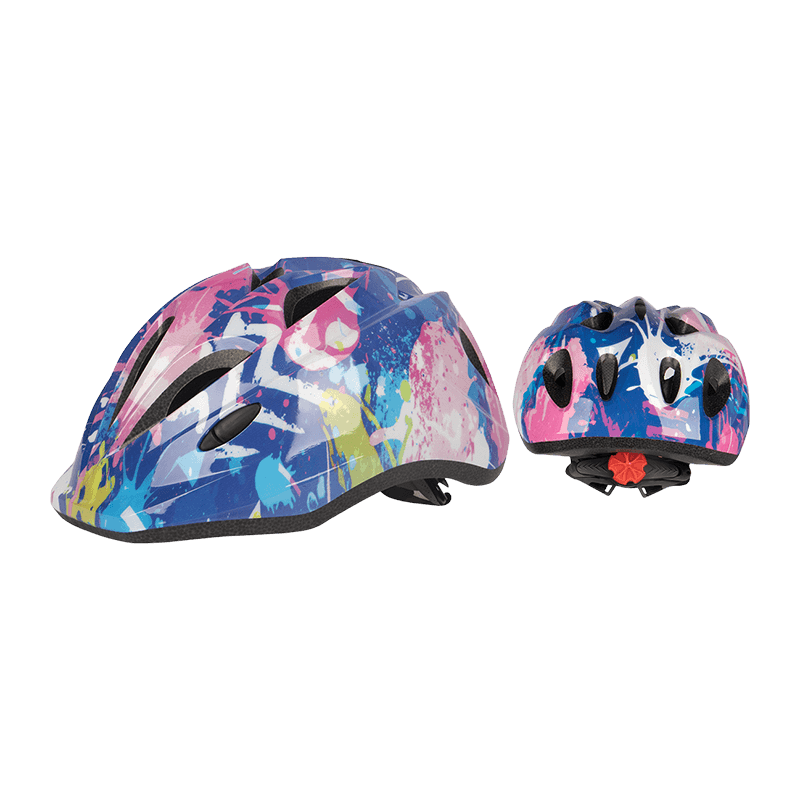
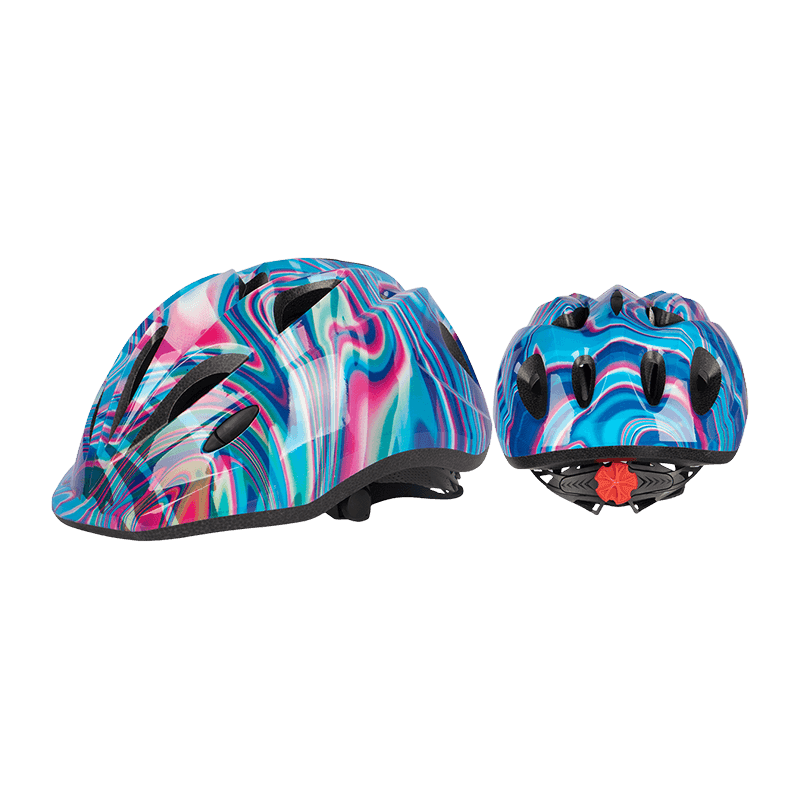
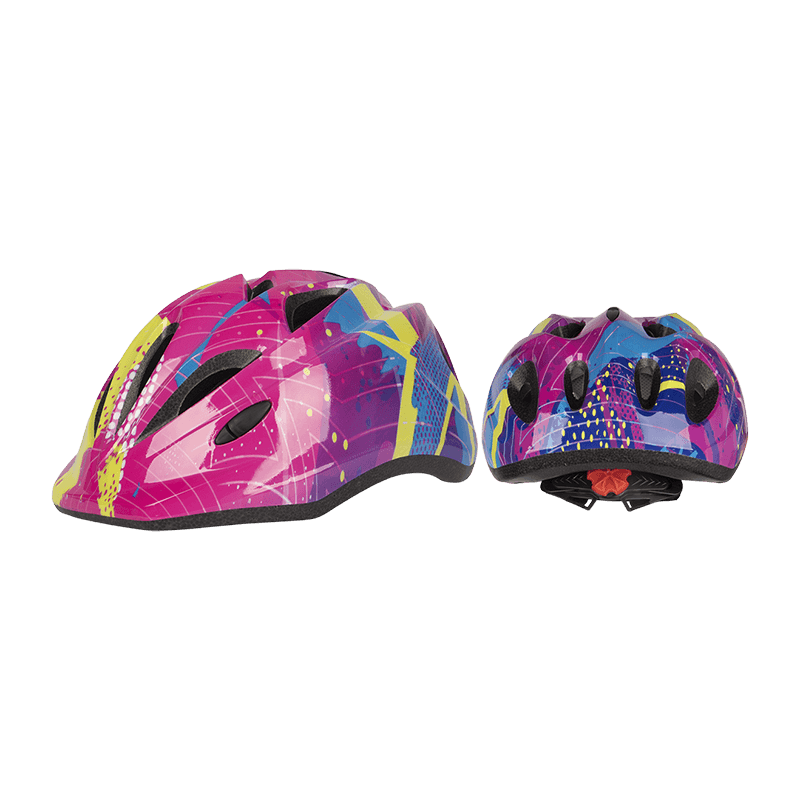
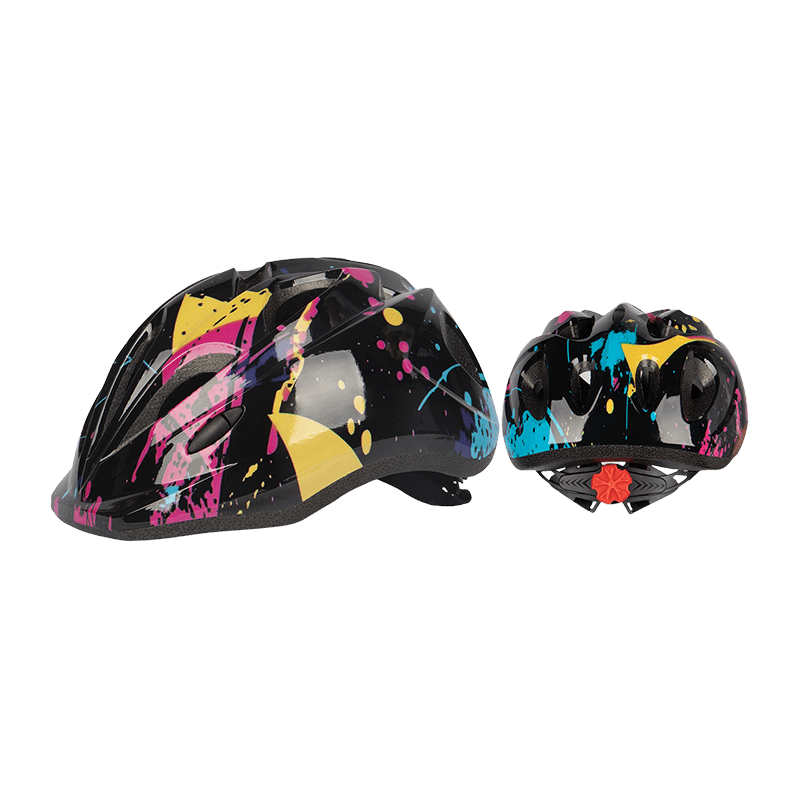
- Adjustable helmet (most important component)
- Sometimes wrist guards for added stability
Why it matters in real learning stages
Children learning balance bikes:
- Fall frequently but at low speed
- Tend to extend hands instinctively during falls
- Often ride on uneven playground or pavement surfaces
Search intent examples:
- balance bike protective gear set for toddlers beginners
- lightweight kids knee pads for balance bike training
- safe cycling protective gear for kids outdoor riding
The priority here is comfort, flexibility, and non-restrictive movement, so children don’t resist wearing the gear.
4. Skateboard Protective Gear: Street & Park-Focused Impact Systems
While often grouped with general skateboarding gear, skateboard protective gear is specifically associated with more structured riding environments like skateparks and street skating.
Key design focus
- High-density foam for repeated impact resistance
- Hard caps to reduce abrasion on concrete
- Secure strap systems to prevent shifting during tricks
Typical usage scenarios
- Skatepark ramps and bowls
- Street skating with stairs and rails
- Long-distance cruising on urban surfaces
Compared to roller skating, skateboard protection is more impact-heavy and abrasion-resistant due to harder surfaces.
5. Ice Skating Protective Gear: Low-Visibility, High-Control Protection
Ice skating protective gear is unique because it must work under tight clothing while maintaining full mobility on a slippery surface.
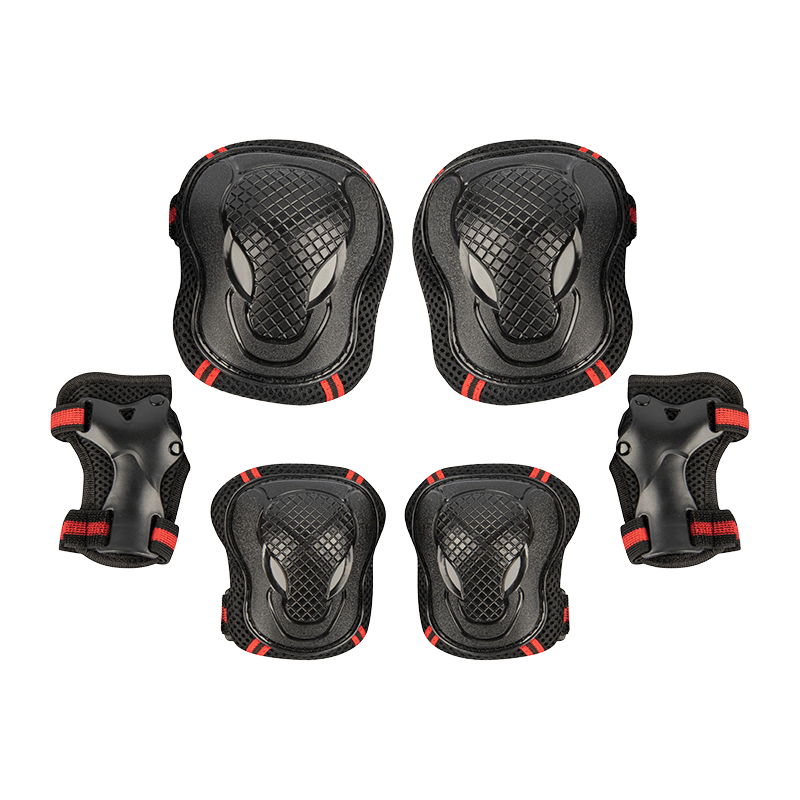
Common protective elements
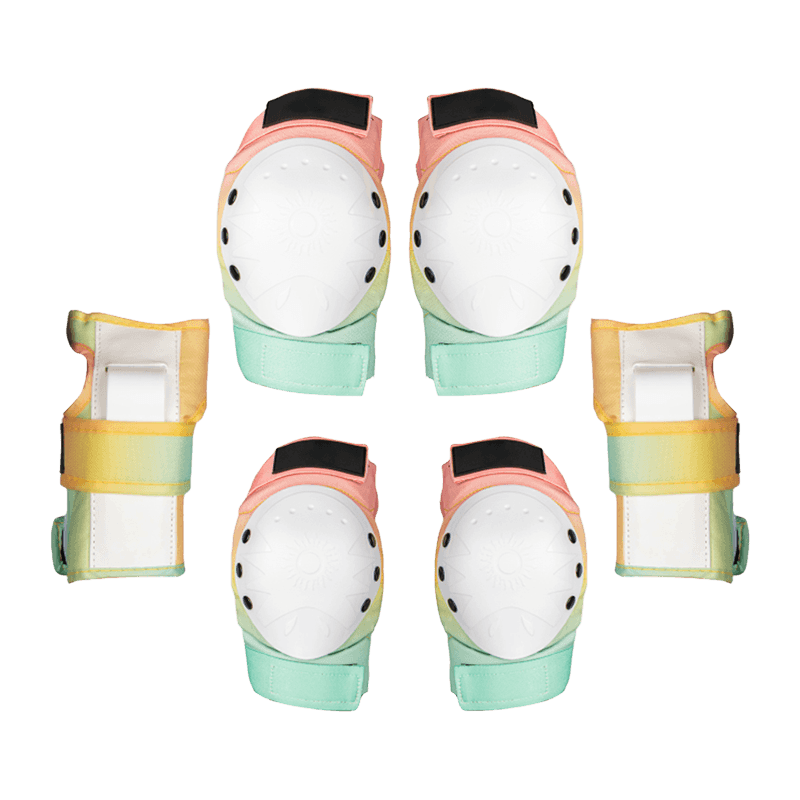
- Slim knee pads designed under leggings or skating pants
- Lightweight wrist guards
- Optional padded shorts for beginners
- Helmets for learning stages or rink training
Real-world ice skating risks
- Backward falls due to loss of edge control
- Side slips during turns or transitions
- Sudden collisions in crowded rinks
Search intent examples:
- ice skating protective gear for beginners adults rink safety
- thin knee pads for ice skating under clothing
- comfortable wrist protection for figure skating training
Here, the key requirement is minimal bulk + maximum mobility, since excessive padding can affect balance on ice.
6. Cross-Sport Comparison: Why These Protective Systems Differ
| Sport Type |
Risk Pattern |
Protection Priority |
Gear Style |
| Roller Skating |
Frequent low-speed falls |
Comfort & repeat use |
Lightweight pads |
| Skateboarding |
High-impact, abrupt falls |
Impact + abrasion resistance |
Reinforced hard-shell gear |
| Balance Bike |
Learning-stage frequent falls |
Safety + comfort for kids |
Soft, lightweight sets |
| Skateboarding (Street/Park) |
Concrete impact + tricks |
Durability + shock absorption |
Heavy-duty protective sets |
| Ice Skating |
Slippery surface falls |
Mobility + low profile fit |
Slim, flexible protection |
7. OEM Manufacturing Capability (Critical for Brands & Distributors)
For B2B buyers, these products are rarely purchased as-is—they are usually part of a private label or OEM product line.
Common OEM options include:
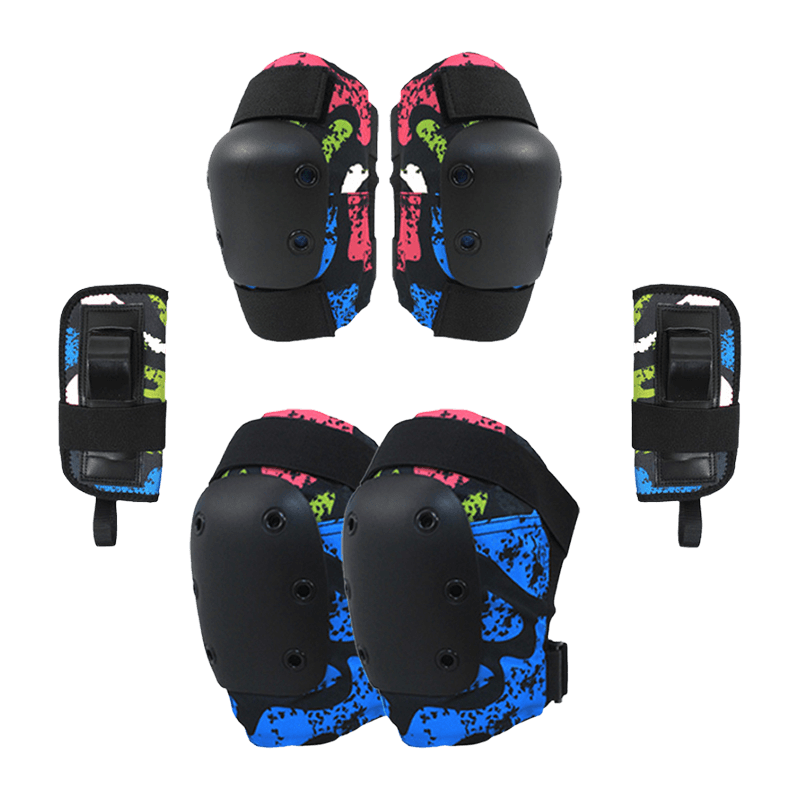
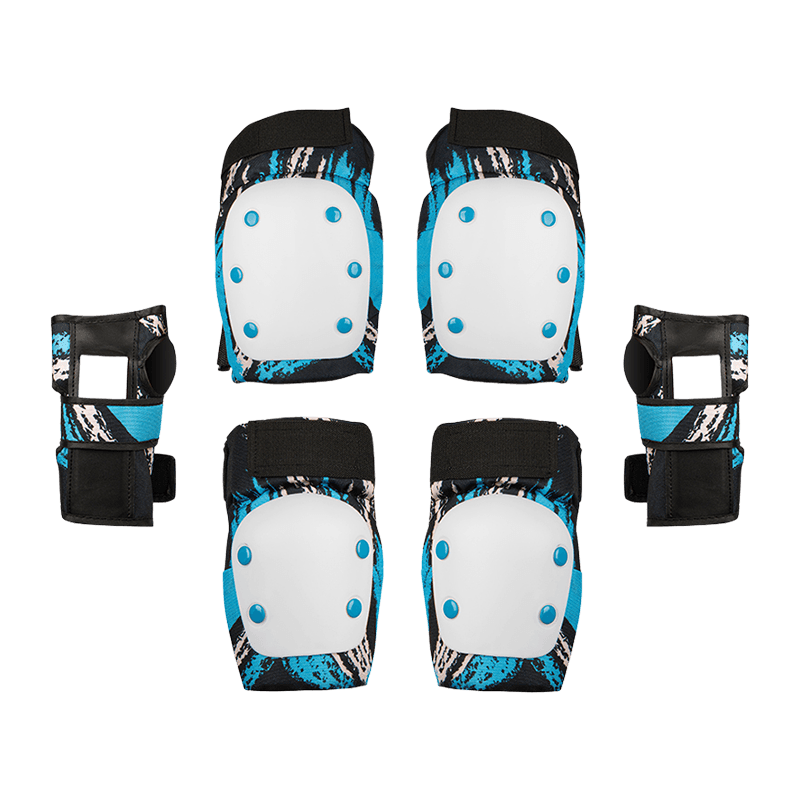
- Logo customization (printing, embossing, heat transfer)
- Material upgrades (EVA density, hard shell thickness)
- Size system development (kids / youth / adult segmentation)
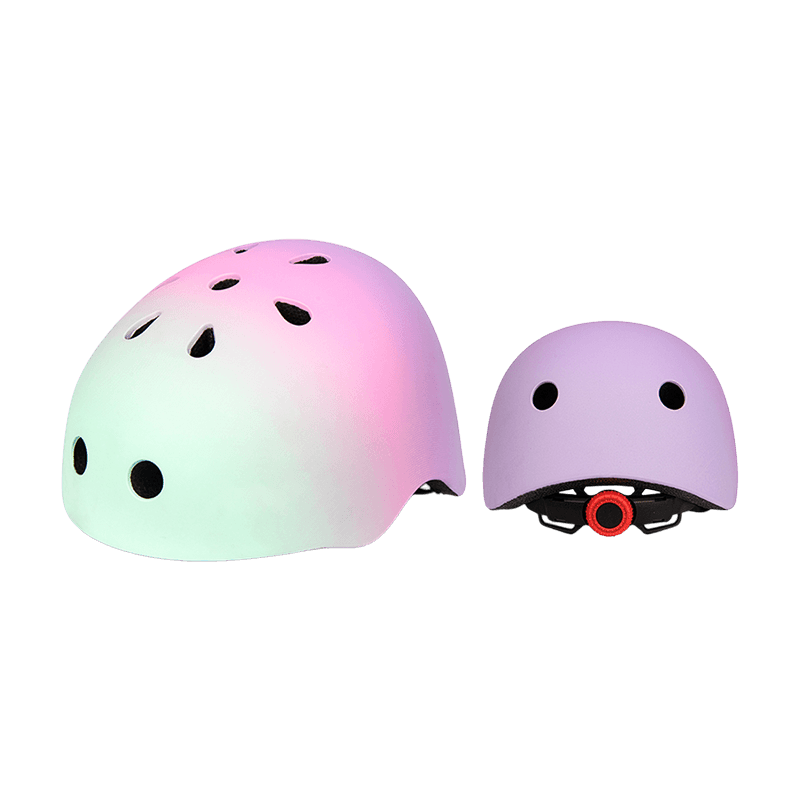
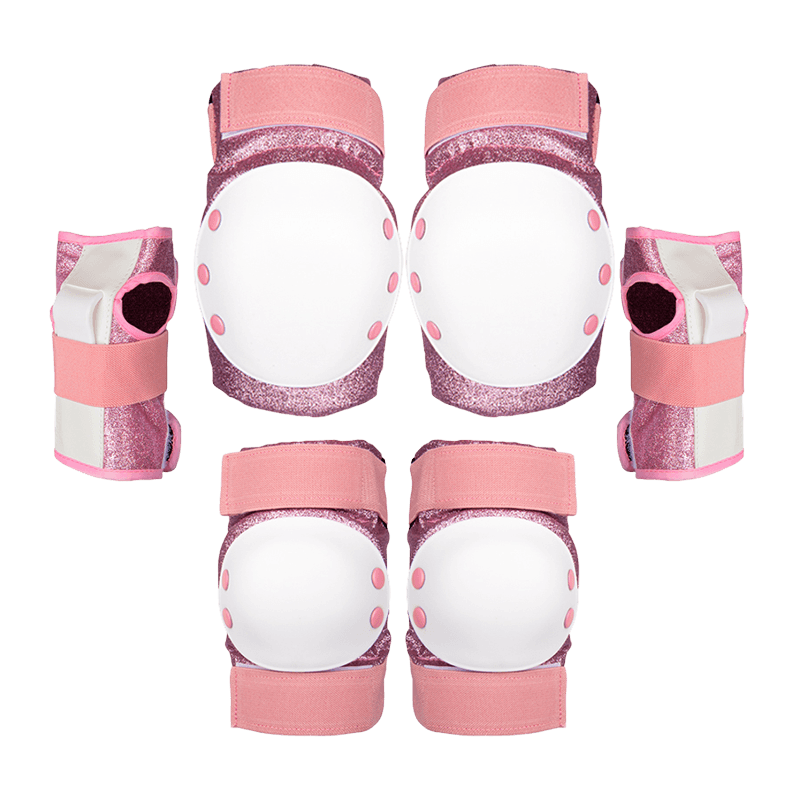
- Color and visual branding customization
- Packaging design for retail or e-commerce platforms
Search intent examples:
- OEM skateboard protective gear manufacturer China supplier
- custom roller skating protective gear factory private label
- bulk balance bike protective gear OEM production
8. Customization as a Market Advantage (Not an Extra Option)
In global sports safety markets, customization is no longer optional—it defines brand competitiveness.
Key customizable dimensions:
- Protection level (beginner / intermediate / professional)
- Climate adaptation (breathable mesh for hot regions)
- Sport-specific shaping (skating vs cycling vs ice sports)
- Branding identity (logo placement, packaging storytelling)
For distributors, customization directly affects:
- Market positioning
- Retail price range
- Product differentiation in crowded listings
9. FAQ (Customer Filtering + Conversion Optimization)
Q1: Do I need full protective gear for skating sports?
For beginners, yes. Full sets reduce injury risk during the learning phase. Intermediate users often switch to modular protection.
Q2: What is the difference between skateboarding and roller skating protective gear?
Skateboarding gear is built for harder surfaces and higher impact force. Roller skating gear focuses more on comfort and repeated motion falls.
Q3: Is balance bike protective gear necessary for toddlers?
It is strongly recommended because early learning stages involve frequent falls, even at low speeds.
Q4: Can ice skating protective gear be worn under clothing?
Yes. Most ice skating protection is designed with slim profiles to fit under skating outfits without restricting movement.
Q5: Do you support OEM customization for all skating protective gear types?
Yes. OEM services typically include branding, material selection, sizing systems, and packaging customization for different global markets.

 English
 русский
 Español