English
 русский
 Español


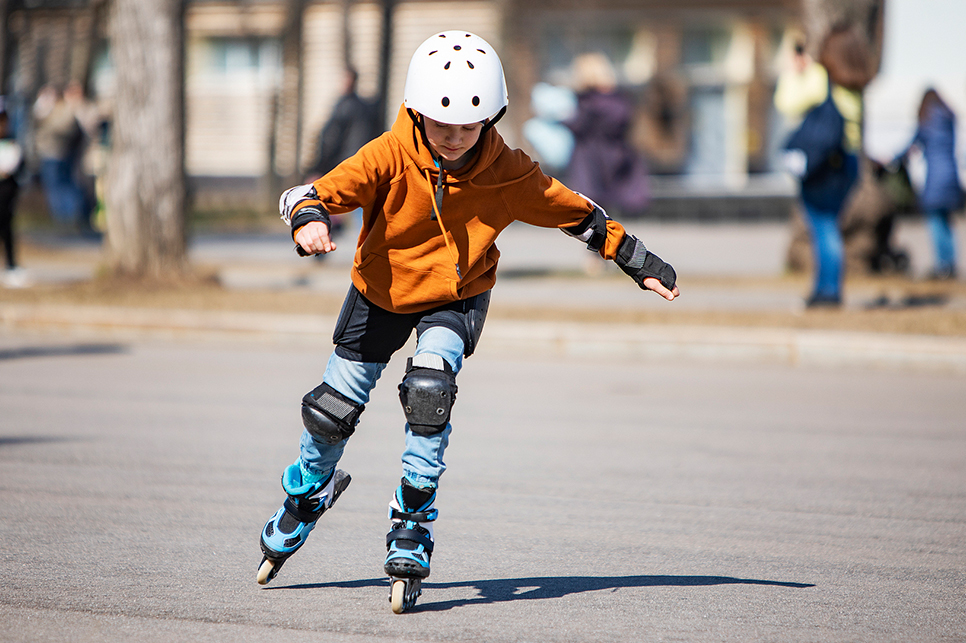
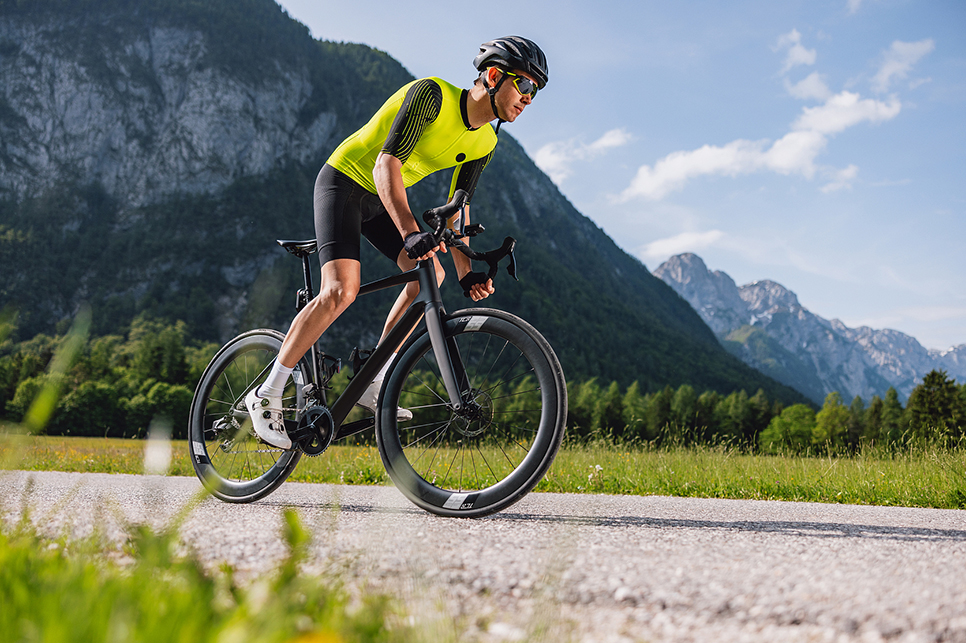
Impact-Resistant Protective Gear: How Modern Protection Systems Actually Work in Real Use
When people search for impact-resistant protective gear, they are usually not just looking for equipment specs—they are trying to understand one thing: how much protection is actually enough when something goes wrong in real motion, at real speed, on real surfaces.
Whether it’s sports training, skating, cycling, or action sports, impact protection is no longer about bulky padding. It has shifted toward engineered materials that balance mobility, comfort, and force absorption.
What Impact-Resistant Protective Gear Really Means (Beyond the Label)
“Impact-resistant” doesn’t mean impact-proof. It refers to gear designed to reduce and redistribute force during sudden contact with hard surfaces.
Most modern systems rely on layered structures:
- Outer shell (hard polymer or composite): spreads the initial impact force
- Shock-absorbing core (EVA, PU foam, D3O-like materials): reduces peak energy transfer
- Comfort lining: stabilizes the gear and prevents movement shift during motion
In real-world use, this combination matters more than thickness. A thinner, well-engineered pad can outperform a bulky one if it manages energy dispersion efficiently.
Long-tail searches like “best impact resistant protective gear for skating and cycling” or “lightweight impact protection gear for training and sports performance” reflect this shift toward functional comfort.
Where it is commonly used
- Skateboarding and roller sports
- Cycling and BMX riding
- Fitness and contact training drills
- Outdoor adventure sports
Sports Knee Pads: Joint Protection Built for Movement, Not Just Impact
Sports knee pads are one of the most widely used forms of protective equipment because the knee is constantly exposed during falls, slides, and sudden directional changes.
Unlike industrial protective gear, sports knee protection is designed with mobility as a priority, not rigidity.
What defines a good sports knee pad
A well-designed knee pad usually includes:
- Flexible compression sleeves or strap systems
- Impact caps that follow natural knee movement
- Anti-slip inner lining for stability during motion
- Breathable materials for long training sessions
This is especially important for users searching “comfortable sports knee pads for volleyball and basketball” or “non-slip knee pads for skateboarding and roller skating.”
Real usage scenarios
- Landing impact during jumps in basketball or volleyball
- Sliding falls in skating or street sports
- Kneeling or ground contact during training drills
- Repeated motion sports where joint fatigue builds over time
The biggest difference between casual and advanced knee protection is not just padding—it’s how well the gear stays in place during dynamic movement.
Impact Resistant Sports Gear: System-Based Protection Instead of Single Pads
While knee pads protect one joint, impact resistant sports gear refers to a broader system that covers multiple body zones and movement patterns.
This category often includes:
- Knee and elbow pads
- Wrist guards
- Hip and tailbone protection
- Lightweight protective vests for upper body support
Why system-based protection matters
In real accidents, injuries rarely happen in isolation. A fall in motion usually involves a chain reaction:
hands → elbows → knees → hips.
That’s why many athletes and riders prefer integrated sets when searching for “full body impact resistant sports gear set for beginners” or “multi-sport protective gear for skating and cycling safety.”
Key design priorities in modern gear systems
- Segmented protection zones: each area moves independently
- Ventilation channels: reduce heat buildup during long sessions
- Ergonomic shaping: prevents restriction during bending or rotation
- Lightweight structure: avoids fatigue during extended use
Where full systems are commonly used
- Skate parks and freestyle sports
- Youth training programs
- Outdoor cycling and scooter riding
- Multi-sport recreational activities
Sports Knee Pads vs Impact Resistant Gear Systems: What’s the Real Difference?
This comparison shows up frequently in searches like “do I need full protective gear or just knee pads for skating?”
The difference is actually about coverage scope and risk level:
- Sports knee pads → localized joint protection
Best for targeted protection where falls are predictable or low-impact.
- Impact resistant sports gear → multi-zone safety system
Designed for unpredictable movement and higher fall probability.
In practical use:
- Beginners often start with full sets for confidence
- Intermediate users switch to mixed setups (knees + wrists)
- Advanced athletes choose modular protection based on sport type
How Real Users Choose Protective Gear (Based on Function, Not Marketing)
Most purchasing decisions are not driven by brand descriptions but by specific situations:
- “lightweight sports knee pads for indoor volleyball training”
- “breathable impact resistant gear for summer skateboarding”
- “durable protective gear for kids cycling and scooter riding”
- “flexible knee protection for fitness and agility training”
These long-tail patterns show a consistent trend: users prioritize comfort, breathability, and movement flexibility as much as protection level.