English
 русский
 Español
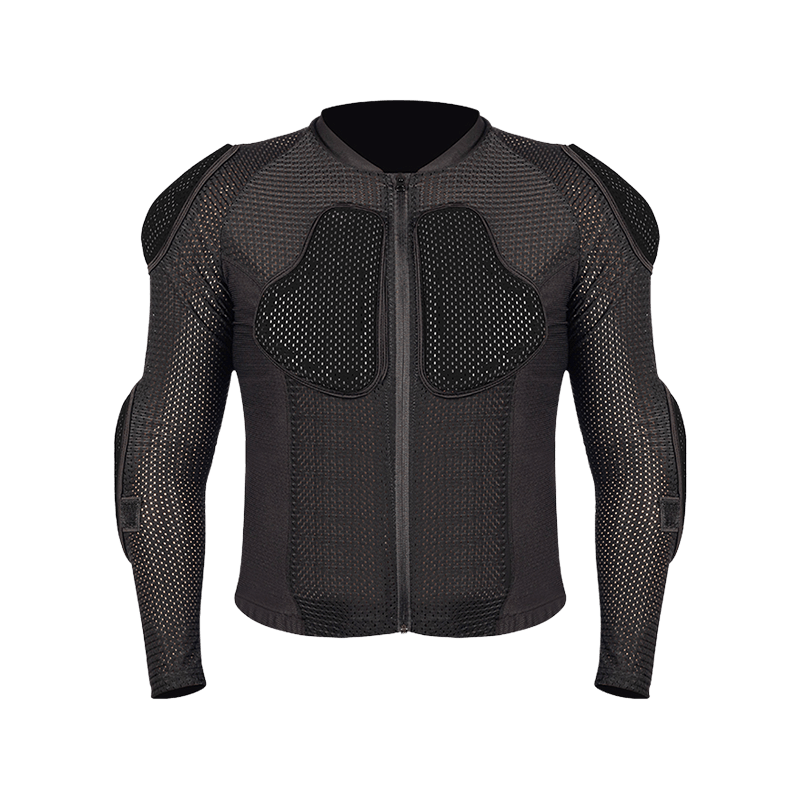
This Summer Motorcycle Breathable Protective Gear features comprehensive protection for safe riding ...
See Details
Date:Sep 25, 2026
A protective product can have suitable materials and a carefully developed structure, yet still create problems if its fit changes noticeably between sizes or production batches. For sports brands, distributors, and OEM buyers, consistent sizing is particularly important because the product needs to feel predictable across different users and repeated orders. When sourcing Sports Protective Gear, procurement teams should therefore evaluate not only protective components but also pattern development, size grading, assembly accuracy, and quality control. These manufacturing details can have a direct influence on how the finished product fits and performs in everyday sporting environments.
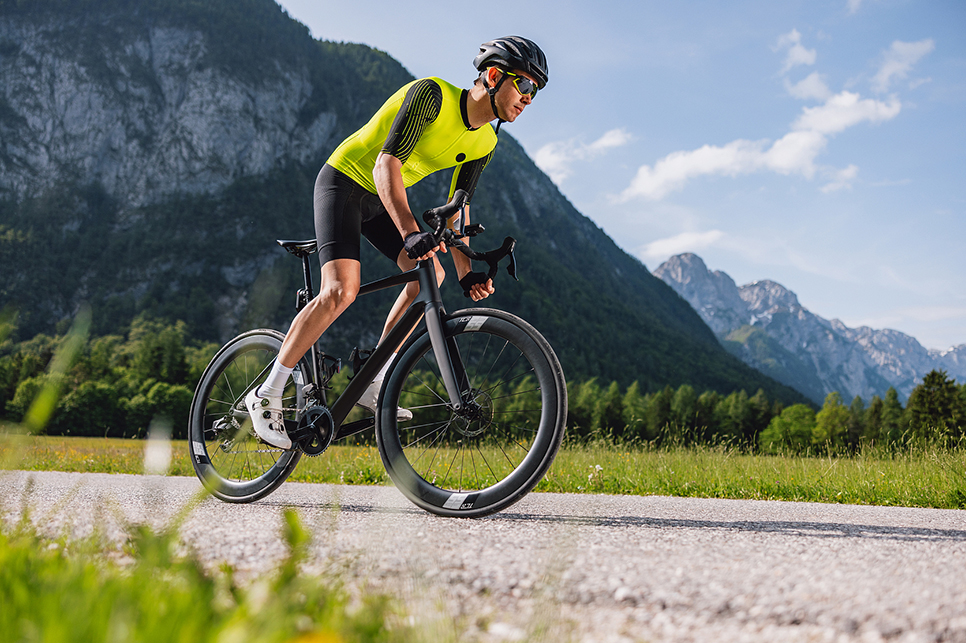
Fit is established long before the final stitching or assembly stage. The pattern determines how different sections of the product come together around the user's body, including areas that need flexibility or closer contact.
Manufacturers need to consider body movement, protective coverage, seam placement, padding position, and fastening locations when developing a pattern. A design that looks correct when laid flat may behave differently once it is worn and adjusted.
For OEM customers, reviewing the intended user group and application before pattern development can help reduce unnecessary revisions later in the production process.
Different sizes cannot always be created by simply enlarging or reducing the original pattern by the same proportion. Body proportions may change between user groups, while protective components may also require different positioning.
Manufacturers can develop size grading rules around the structure of the product, ensuring that key protective areas remain appropriately positioned across the available size range.
This is particularly relevant for brands offering products to different age groups or international markets, where sizing expectations may vary.
Protective padding needs to remain in the intended area during movement. If the padding shifts because the pattern or attachment points are not properly coordinated, the product may feel less comfortable and may not provide the intended coverage.
Several elements need to work together:
Manufacturers should evaluate these elements as one system rather than checking each component separately.
Fabric behavior can also affect sizing. Some materials stretch during wear, while others maintain a more stable shape. Elastic components may provide additional adjustment, but their performance depends on how they are integrated into the overall construction.
For OEM buyers, material selection should therefore be discussed alongside the desired fit. A pattern developed for one fabric combination may need modification when the material structure changes.
Understanding this relationship helps manufacturers avoid treating material substitution as a simple purchasing decision.
Even a well-developed pattern can lose its intended fit when production processes are inconsistent. Cutting accuracy, seam allowance, stitching position, padding placement, and component alignment can all influence the final dimensions of protective equipment.
For overseas buyers placing repeat orders, this is especially important. Products need to maintain a consistent appearance and construction rather than relying on the quality of an initial sample alone.
As a Sports Protective Gear manufacturer, we coordinate pattern development, material cutting, sewing, component assembly, finishing, and inspection to maintain greater consistency throughout production. This manufacturing approach is particularly valuable for OEM and private-label customers managing multiple sizes.
Sample evaluation provides an opportunity to identify fit issues before they become production problems. A useful sample review should consider not only whether the product fits a single wearer, but also whether the structure remains practical during the intended activity.
Manufacturers can review areas such as:
Feedback from this stage can then be incorporated into the pattern or construction before larger production begins.
For sports brands and distributors, consistent sizing can simplify product presentation, customer support, inventory management, and repeat purchasing. It also gives users a more predictable experience when replacing or adding equipment from the same product range.
For OEM buyers, the most effective approach is to discuss fit requirements with the manufacturer during product development rather than treating sizing as a final production detail. With controlled pattern development and manufacturing processes, Sports Protective Gear can be developed with greater consistency across sizes, batches, and market requirements.
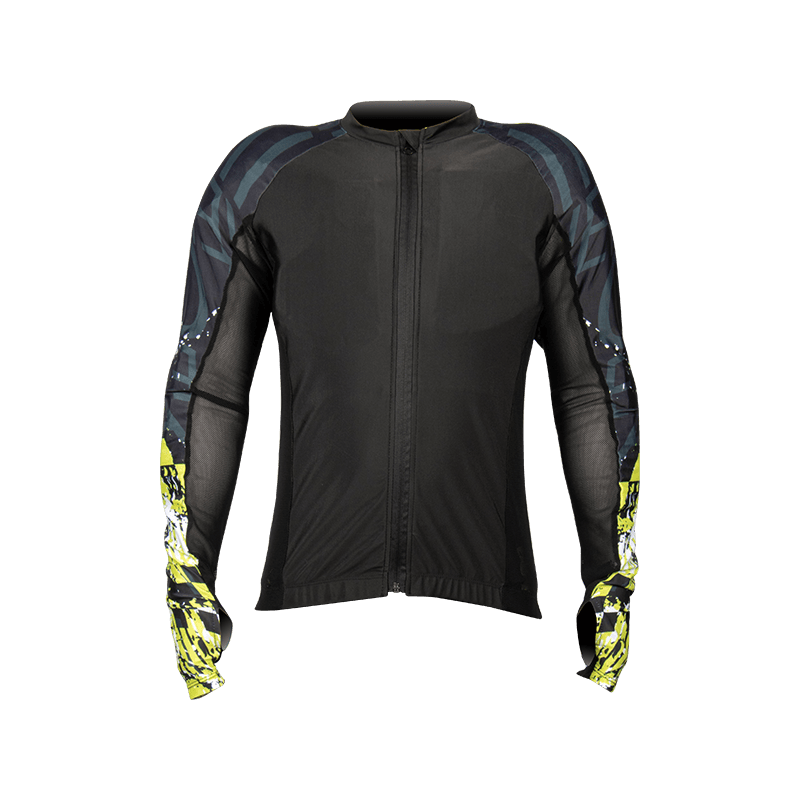
This Summer Motorcycle Breathable Protective Gear features comprehensive protection for safe riding ...
See Details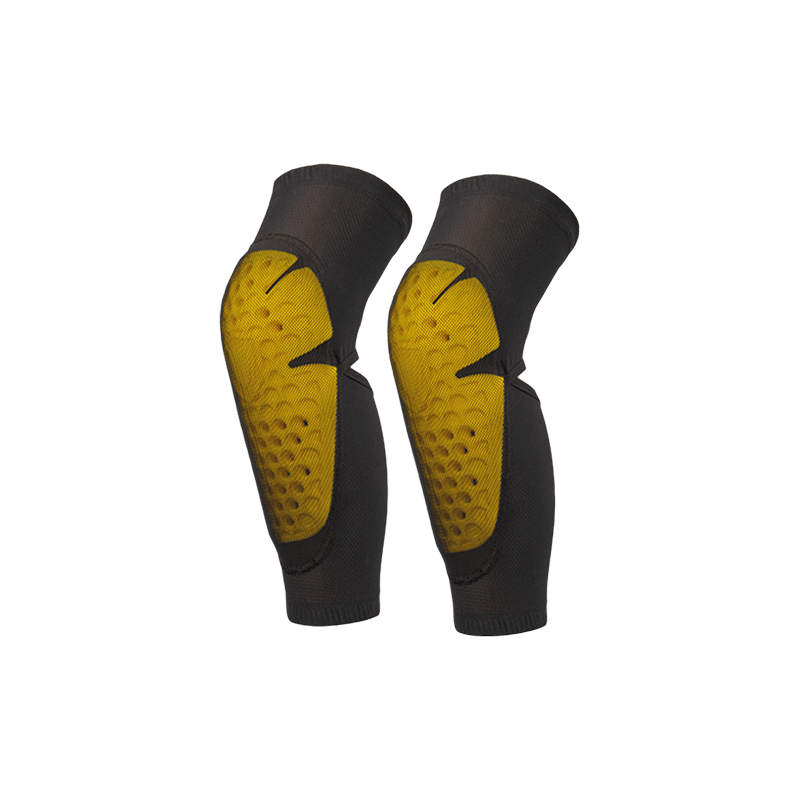
The Breathable Anti-Collision Ice Silk Fabric Knee and Elbow Pad provides professional protection fo...
See Details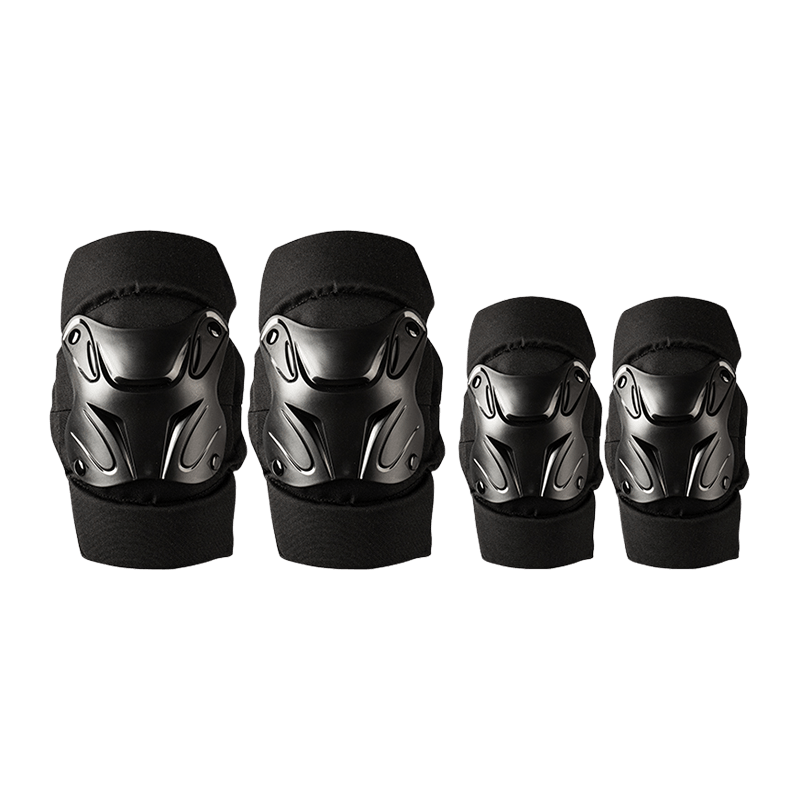
Our Adjustable Knee Pads and Elbow Pad Protectors are suitable for cycling and racing enthusiasts, p...
See Details二维码


OEM Sports Safety Gear