English
 русский
 Español
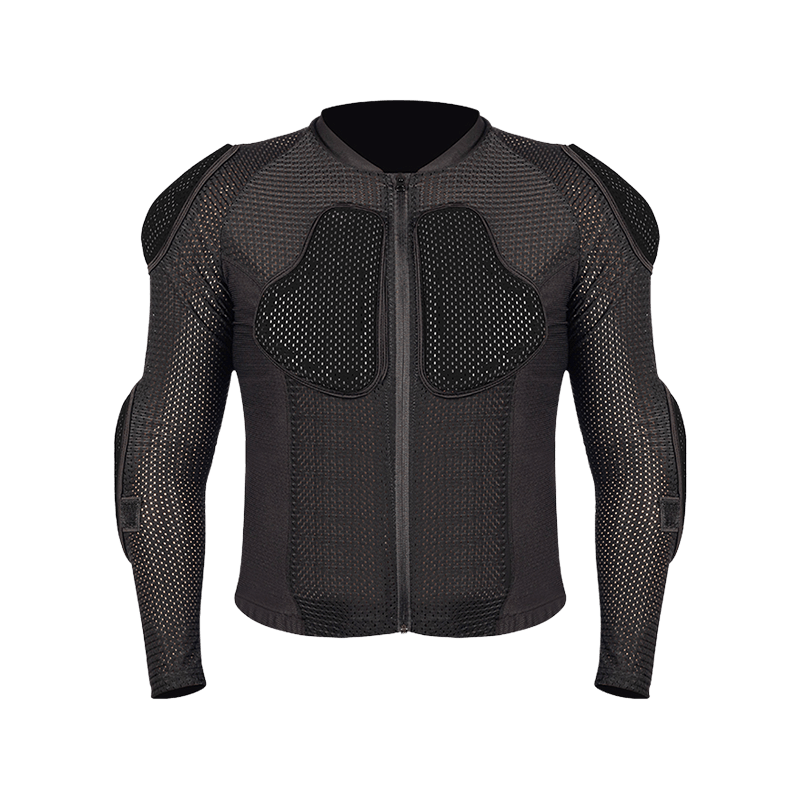
This Summer Motorcycle Breathable Protective Gear features comprehensive protection for safe riding ...
See Details
Date:Oct 02, 2026
Motorcycle protective equipment is becoming more application-focused as riders look for a practical balance between protection, mobility, ventilation, and comfort. For distributors, motorcycle gear brands, and procurement teams, selecting Motorcycle Body Armor is therefore not simply a matter of choosing thicker padding. The European Commission notes that protective clothing can help reduce the severity of certain motorcycle injuries, while European protective-garment standards distinguish different performance classes and protection requirements.
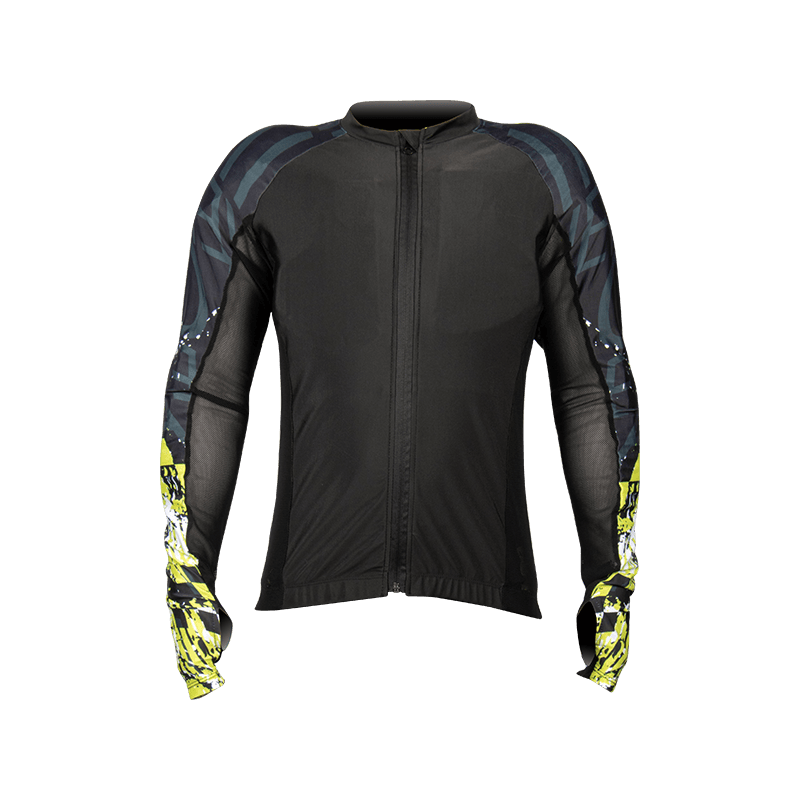
Different parts of the body face different exposure during a motorcycle crash. Shoulder, elbow, back, chest, hip, and knee protection may therefore require different designs and performance characteristics.
For buyers developing a motorcycle protective gear range, the first step is to identify which areas the product is intended to cover. A lightweight urban riding product may have different design priorities from equipment intended for touring, off-road riding, or other specialized applications. Clear positioning also makes it easier for distributors to communicate the product's intended use to customers.
Safety claims should be connected to recognized testing requirements rather than general descriptions such as “strong” or “impact resistant.” European requirements include standards covering motorcycle protective garments and impact protectors. The EU's 2026 implementing decision lists EN 17092-2 through EN 17092-6 for motorcycle protective garments, covering different garment classes, while EN 1621 standards address impact protectors.
For international buyers, checking the applicable standard, test scope, product configuration, and certification documentation before procurement can reduce uncertainty when introducing protective equipment into a specific market.
A protective component that is difficult to move with can affect how comfortable a rider feels during normal riding. Motorcycle gear needs to accommodate changes in posture, steering movements, body rotation, and repeated arm and shoulder movement.
This is why the shape and placement of protective inserts matter. Armor should work with the garment instead of creating unnecessary pressure points. The European Commission also highlights the importance of protective clothing allowing riders to perform necessary tasks without restricted movement.
Manufacturers need to balance impact-management requirements with weight, flexibility, ventilation, and durability. Different protective materials can behave differently under impact and during repeated bending, so material selection should be connected to the intended application.
For buyers comparing suppliers, useful questions include:
These details provide a more meaningful basis for supplier comparison than appearance alone.
Coverage is only useful when the protector remains positioned where it is intended to provide protection. Poorly positioned armor can create gaps or move away from the target area during normal riding.
For motorcycle gear manufacturers, this makes the relationship between armor dimensions, garment construction, fastening systems, and adjustment features particularly important. A well-designed component should be compatible with the garment structure while allowing the rider enough freedom to move naturally.
Motorcycle users do not all face the same riding environment. Commuters may prioritize ventilation and low-profile construction, while touring riders may spend longer periods wearing protective equipment. Off-road users can have different requirements again.
A manufacturer developing protective components should therefore consider the complete use scenario rather than designing one structure for every application. This approach can also help distributors build product lines with clearer differences between models instead of relying only on cosmetic changes.
For overseas buyers, product development is only one part of a successful protective-gear program. Consistent manufacturing, material traceability, dimensional control, inspection procedures, packaging, and documentation can all affect repeat orders.
At the manufacturing stage, quality should be controlled through the production process rather than relying only on final visual inspection. For brands and distributors developing motorcycle protective equipment, working with a manufacturer that understands both product construction and applicable standards can simplify technical communication and support more consistent procurement.
The right protective component depends on the rider, garment, riding environment, coverage requirements, and applicable standards. For distributors and motorcycle gear brands, evaluating these factors together can lead to a more practical product specification than focusing on a single material or thickness. As manufacturers of Motorcycle Body Armor, we focus on combining protection requirements with fit, movement, material selection, and production consistency so overseas buyers can develop protective gear suited to its intended application.
This Summer Motorcycle Breathable Protective Gear features comprehensive protection for safe riding ...
See Details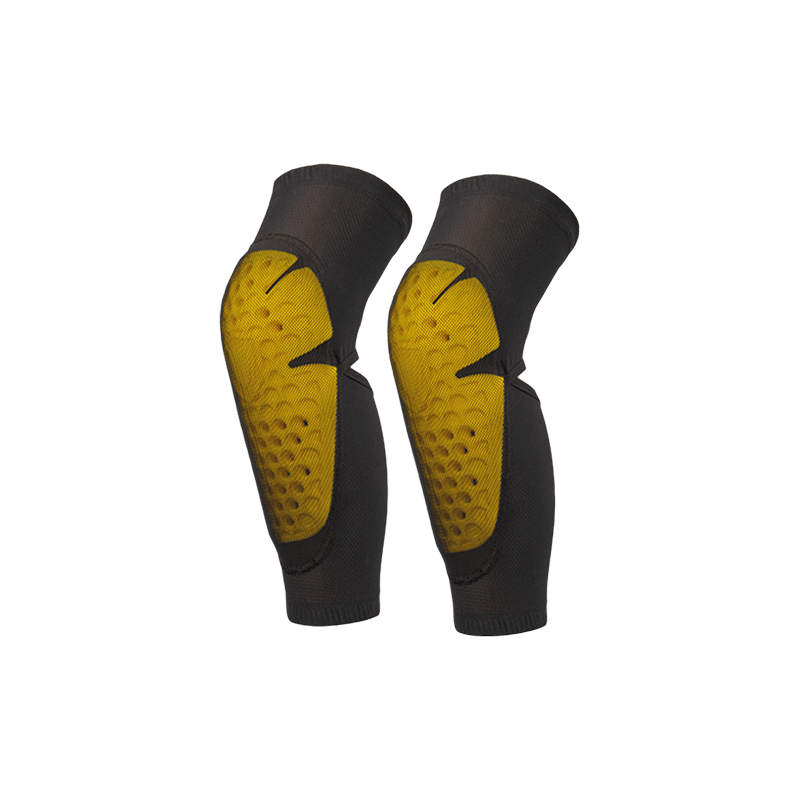
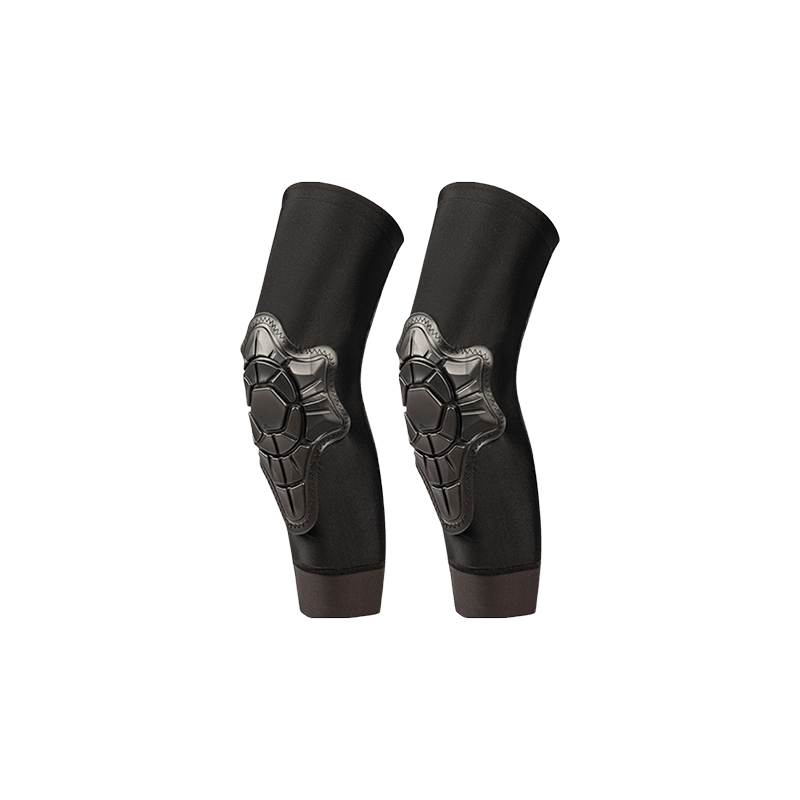
The Breathable Anti-Collision Ice Silk Fabric Knee and Elbow Pad provides professional protection fo...
See Details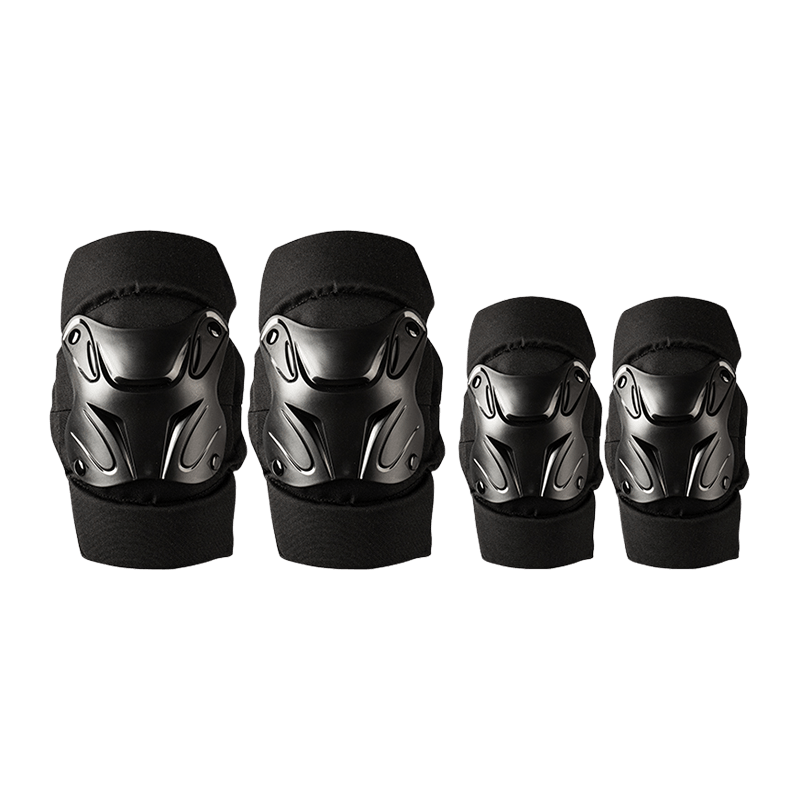
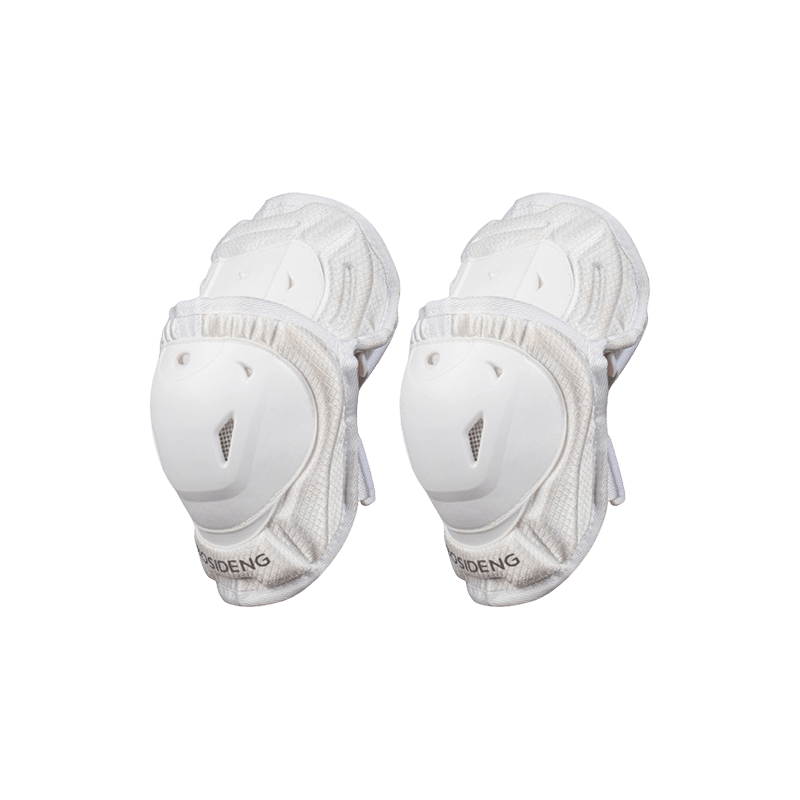
Our Adjustable Knee Pads and Elbow Pad Protectors are suitable for cycling and racing enthusiasts, p...
See Details二维码


OEM Sports Safety Gear