English
 русский
 Español
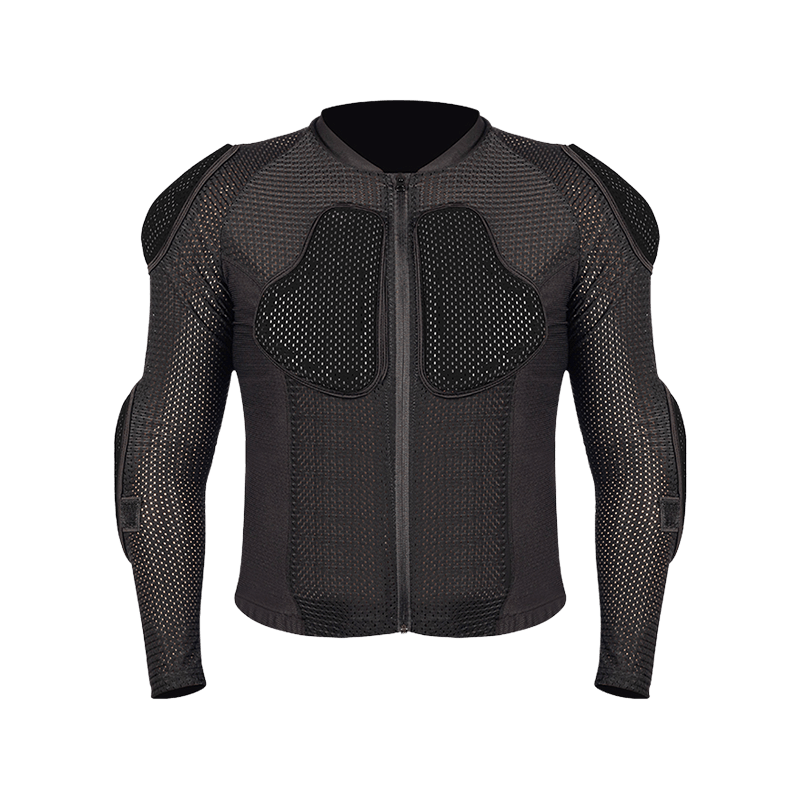
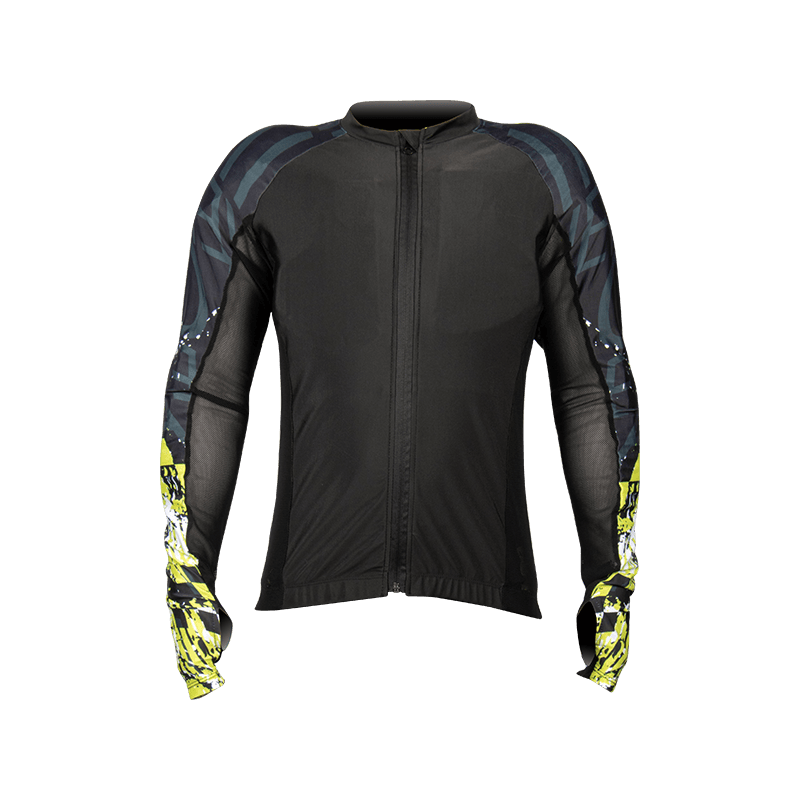
This Summer Motorcycle Breathable Protective Gear features comprehensive protection for safe riding ...
See Details
Date:Oct 09, 2026
Protective riding gear needs to do more than cover vulnerable areas. Riders also expect their clothing to remain comfortable during warm-weather trips, daily commuting, and longer journeys that involve frequent changes in posture. For overseas buyers sourcing Motorcycle Body Armor, one important challenge is finding protective components that fit the garment properly without making it unnecessarily bulky or uncomfortable. Manufacturers must therefore consider ventilation, shape, material, and garment compatibility as connected parts of product development.
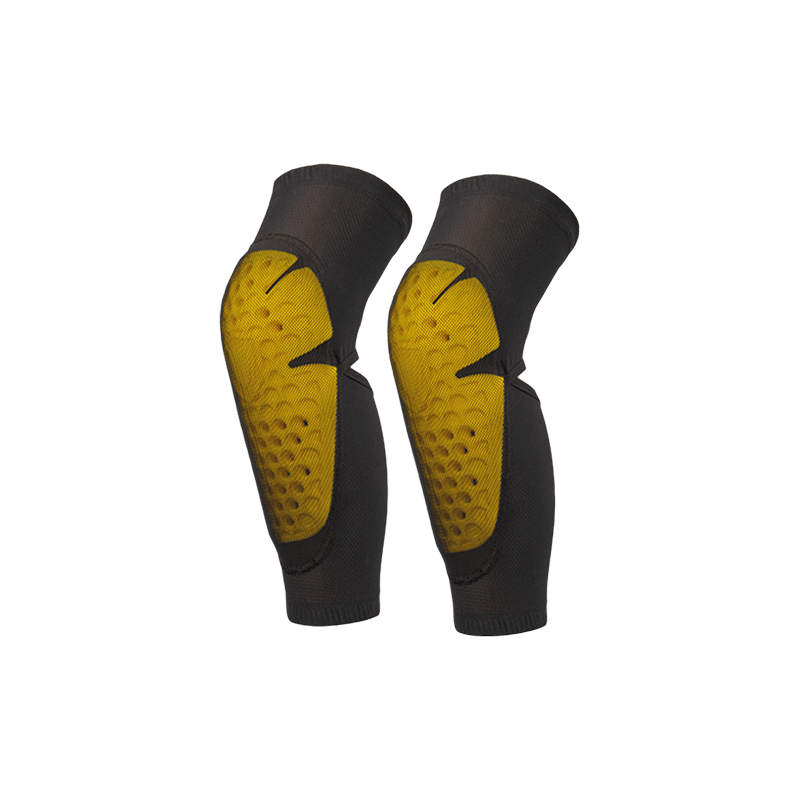
Heat buildup can affect the wearing experience, especially when riders spend extended periods in protective clothing. However, ventilation is not determined by the armor alone. The garment fabric, lining, pocket construction, airflow openings, and position of protective components all influence how heat and moisture are managed.
Manufacturers developing Motorcycle Body Armor should consider how the component interacts with the surrounding clothing. A design that occupies too much space or blocks intended airflow paths may affect the overall garment experience. Buyers should evaluate armor and clothing together rather than judging breathability from the protective component in isolation.
The outline of a protective component determines how it sits against the body and how much space remains around it. A poorly matched shape may create pressure points, interfere with garment movement, or cover areas where the clothing is designed to allow airflow.
Product developers need to balance coverage requirements with the contours of the intended body area. Curvature, edge profiles, thickness, and the location of ventilation openings can all influence the final design. Any openings or structural changes must also be assessed to ensure that the component continues to meet its intended protective requirements.
Protective materials vary in flexibility, weight, surface texture, and response to repeated movement. These properties can affect how the armor feels inside a jacket or other riding garment, particularly when the wearer bends the elbows, rotates the shoulders, or leans forward.
When comparing materials, manufacturers should evaluate more than softness or light weight. Useful considerations include:
The appropriate combination depends on the intended application. No single material characteristic can establish whether a complete protective product is suitable.
Even a well-designed protective component may perform poorly as part of a garment if the pocket dimensions are incorrect. Excessive space can allow the armor to move, while a pocket that is too tight may make insertion difficult or cause unwanted pressure during use.
For manufacturers supplying protective components to clothing brands, dimensional consistency is therefore essential. Buyers should confirm the pocket shape, available space, retention method, and garment size range before approving a sample. Testing the component inside the actual garment can reveal compatibility problems that are not obvious when the armor is examined separately.
Commuters, touring riders, and users of sport-oriented riding gear may have different expectations for fit and flexibility. Warm-weather clothing may place greater emphasis on airflow, while other garment designs may prioritize coverage, layering compatibility, or a close fit.
For overseas distributors, identifying the intended customer group helps narrow the selection process. Manufacturers can organize Motorcycle Body Armor options according to their intended garment applications, dimensions, and documented performance characteristics. Clear product positioning also helps buyers avoid treating different designs as interchangeable when their intended uses differ.
Inspection should cover the finished component as well as its interaction with the garment. Visual checks alone cannot confirm whether the armor stays in the intended position or remains comfortable during movement.
A practical manufacturing inspection process can include:
These checks help manufacturers identify design or assembly issues before products are shipped. They should complement, rather than replace, the appropriate protective-performance tests.
Effective Motorcycle Body Armor design requires a balance between protection, garment compatibility, ventilation, and movement. Optimizing one feature without considering the others can create problems that only become apparent after the product is worn.
For overseas buyers, early communication about garment construction, target riding conditions, sizing, and required performance documentation can make sourcing more precise. For manufacturers, using these requirements to guide material selection, component geometry, sampling, and production inspection supports a more consistent result. By evaluating Motorcycle Body Armor as part of the complete riding garment, manufacturers can develop practical options that better match the needs of different markets and product lines.
This Summer Motorcycle Breathable Protective Gear features comprehensive protection for safe riding ...
See Details
The Breathable Anti-Collision Ice Silk Fabric Knee and Elbow Pad provides professional protection fo...
See Details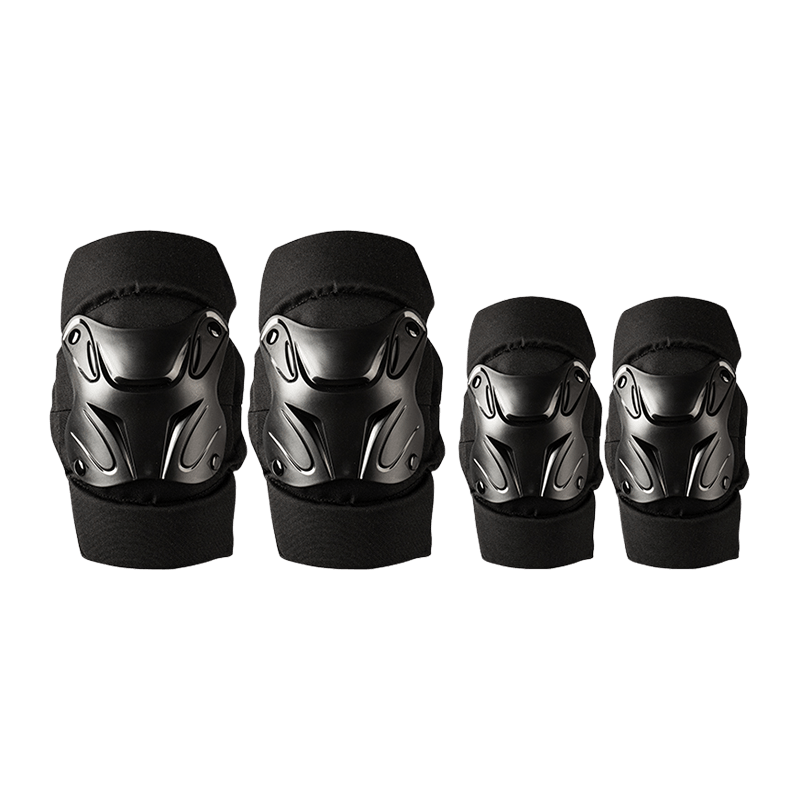
Our Adjustable Knee Pads and Elbow Pad Protectors are suitable for cycling and racing enthusiasts, p...
See Details二维码


OEM Sports Safety Gear