Understanding Impact Protection in Modern Sports: From Knee Pads to Full Protective Systems
In most sports-related injuries, the problem is not a lack of awareness—it’s that impact happens too fast to react. Whether it’s a fall on a skate ramp, a cycling crash, or a training slip on indoor courts, the body usually hits the ground in a predictable pattern: knees, elbows, hips, and wrists.
This is where impact-resistant protective gear, sports knee pads, and broader impact resistant sports gear systems come into play. They are not just accessories, but engineered safety layers designed to manage force distribution during sudden contact.
1. What Is Impact-Resistant Protective Gear? (Definition + Real Function)
Impact-resistant protective gear refers to equipment designed to reduce the force transmitted to the body during collisions, falls, or direct surface contact.
Unlike simple padding, modern systems are built around energy management, not just cushioning.
How it works in real conditions
When a person falls:
- The outer shell disperses initial impact force
- Internal foam layers compress to absorb energy
- Structural shaping spreads load across a wider area
This reduces the peak force reaching bones and joints, especially in fast ground impact scenarios.
Search intent examples:
- impact resistant protective gear for skating and cycling safety
- best protective gear for fall impact reduction sports
- lightweight impact protection gear for outdoor training
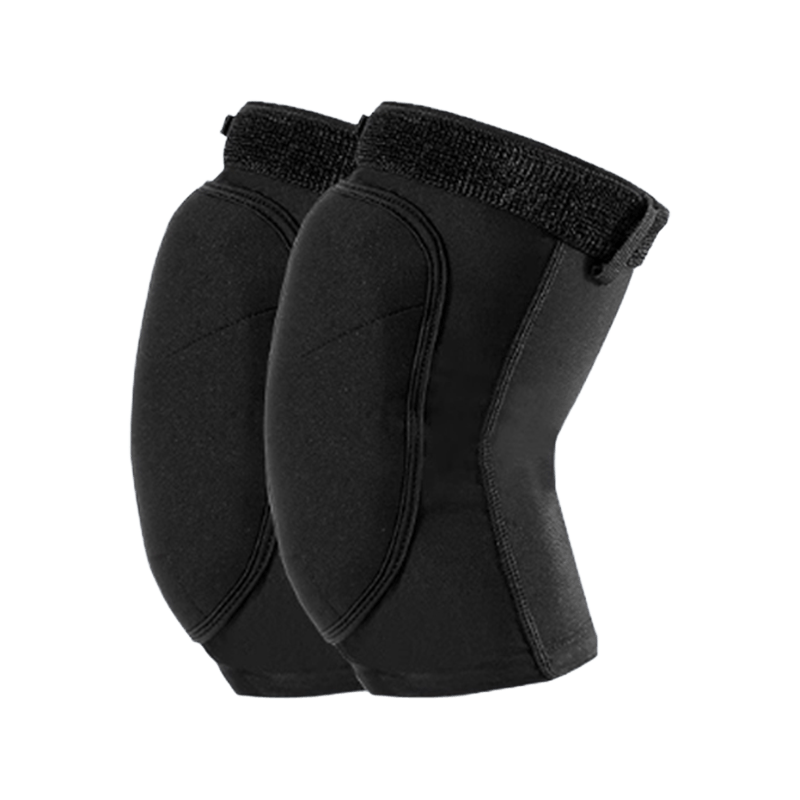
2. Sports Knee Pads: Targeted Joint Protection for High-Frequency Impact Zones
Sports knee pads are one of the most widely used protective items because the knee is the first contact point in most forward or sideways falls.
Functional definition
Sports knee pads are designed to:
- Protect the patella and surrounding ligaments
- Reduce abrasion during sliding impact
- Stabilize the knee during sudden ground contact
Why knees are high-risk in sports
In sports like skating, basketball, and cycling:
- Forward falls naturally shift body weight to knees
- Reaction time is often under 1 second
- Repeated micro-falls cause cumulative joint stress
Typical use cases (real-world scenarios)
- Skateboarding: landing incorrectly during tricks
- Roller skating: sideways fall during speed turns
- Basketball: collision fall during drive or defense
- Cycling: knee contact during low-speed crash or stop imbalance
- Fitness training: kneeling impact in agility drills
3. Impact Resistant Sports Gear: Full-Body System Protection Concept
While knee pads protect one area, impact resistant sports gear refers to a full or semi-full protective system covering multiple body zones.
What it typically includes
- Knee protection
- Elbow protection
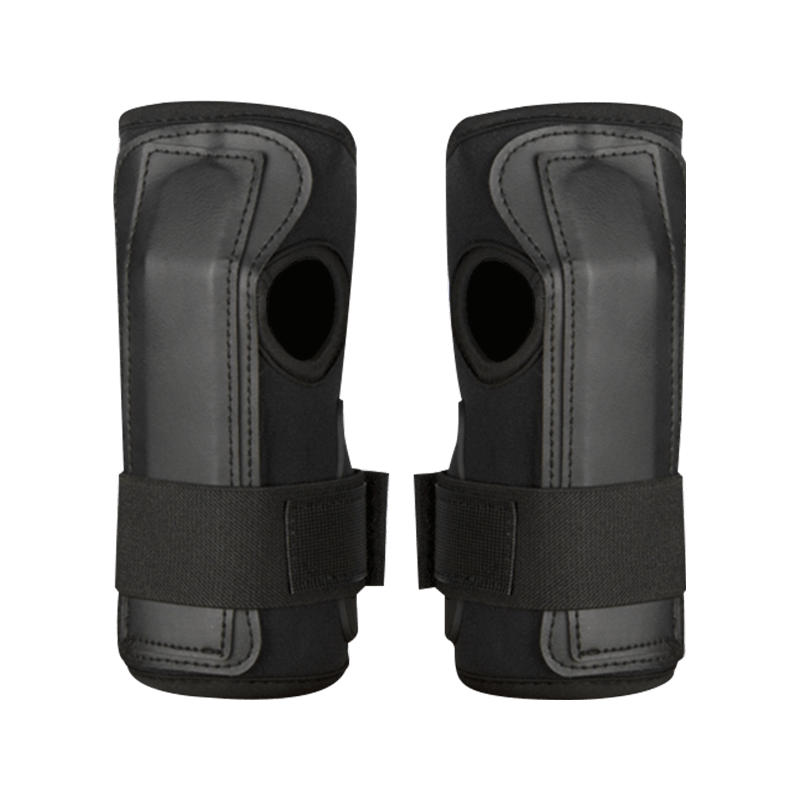
- Wrist guards
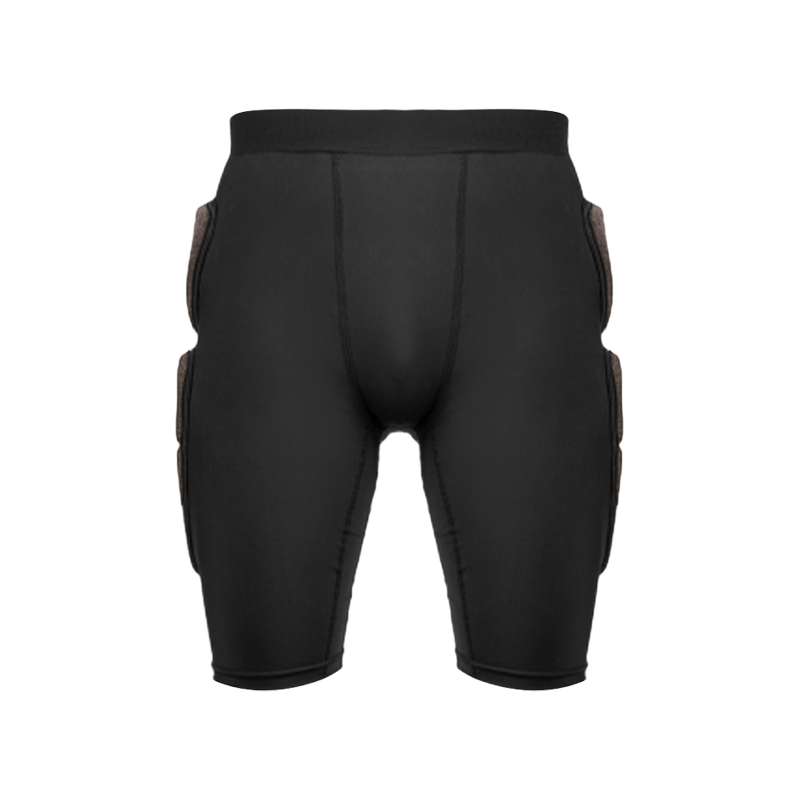
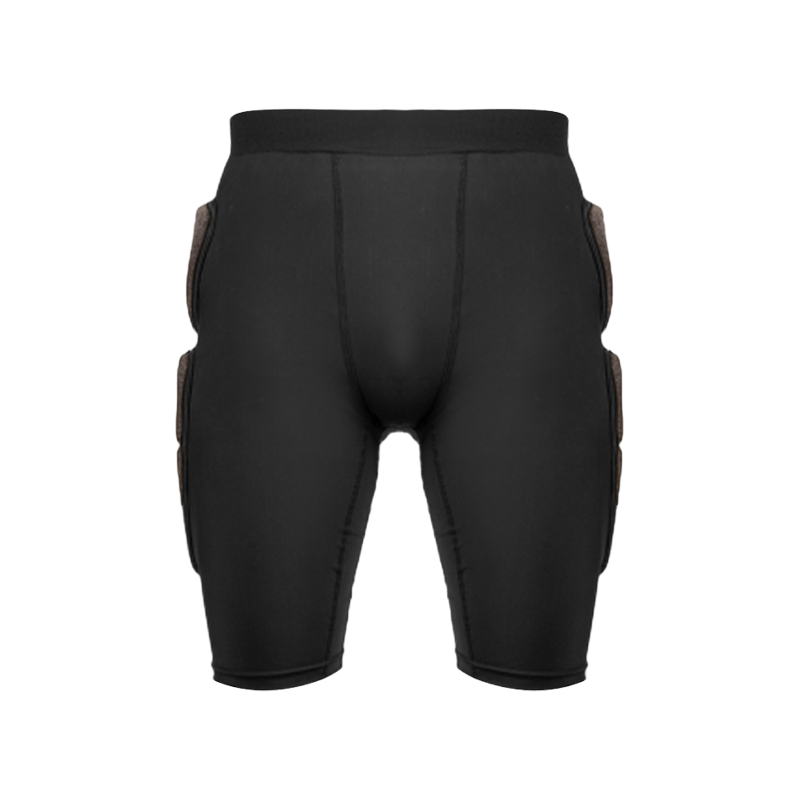
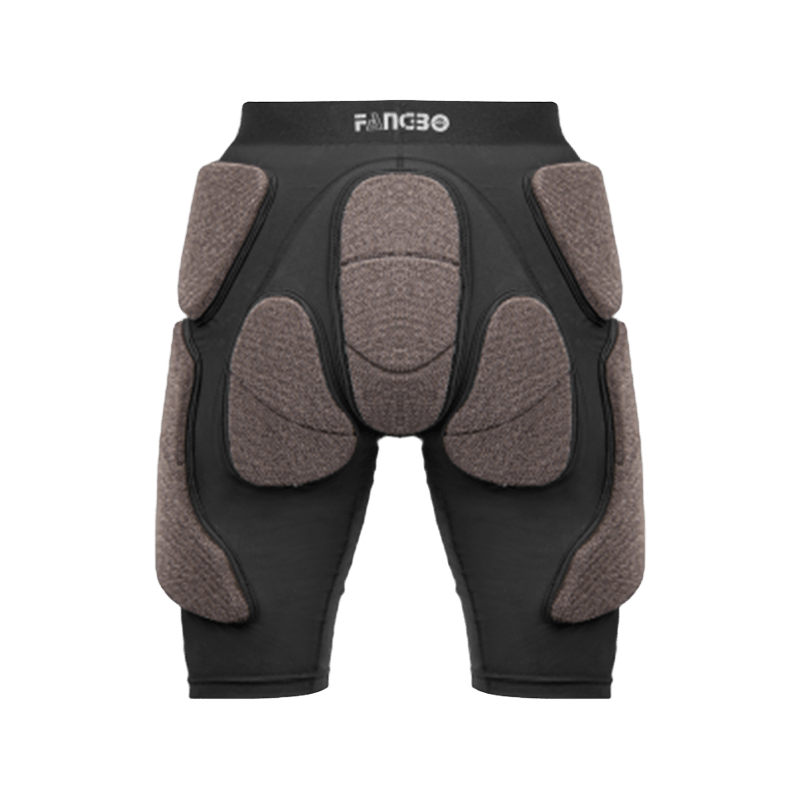
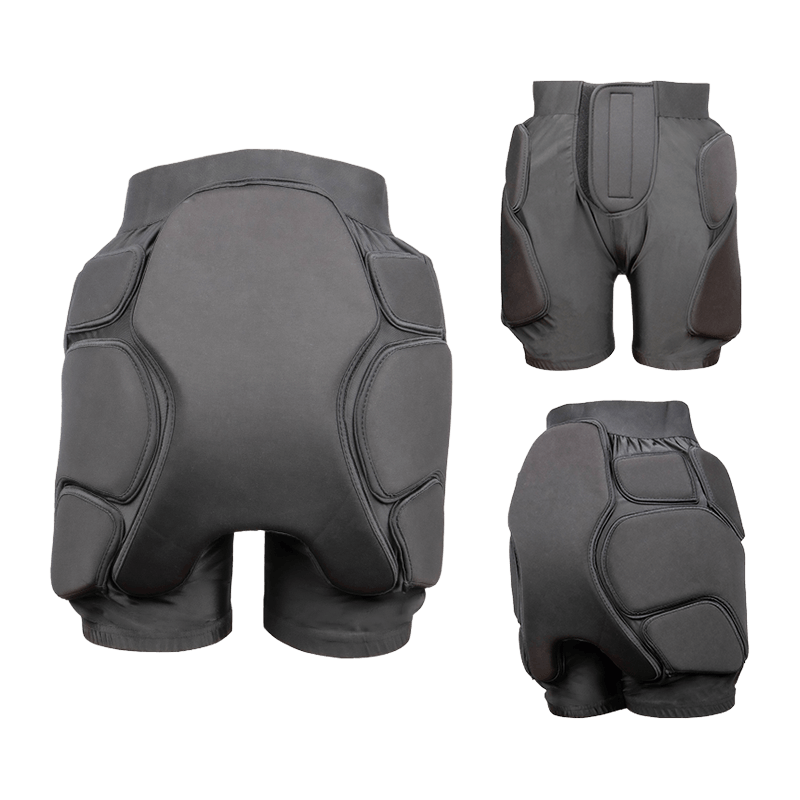
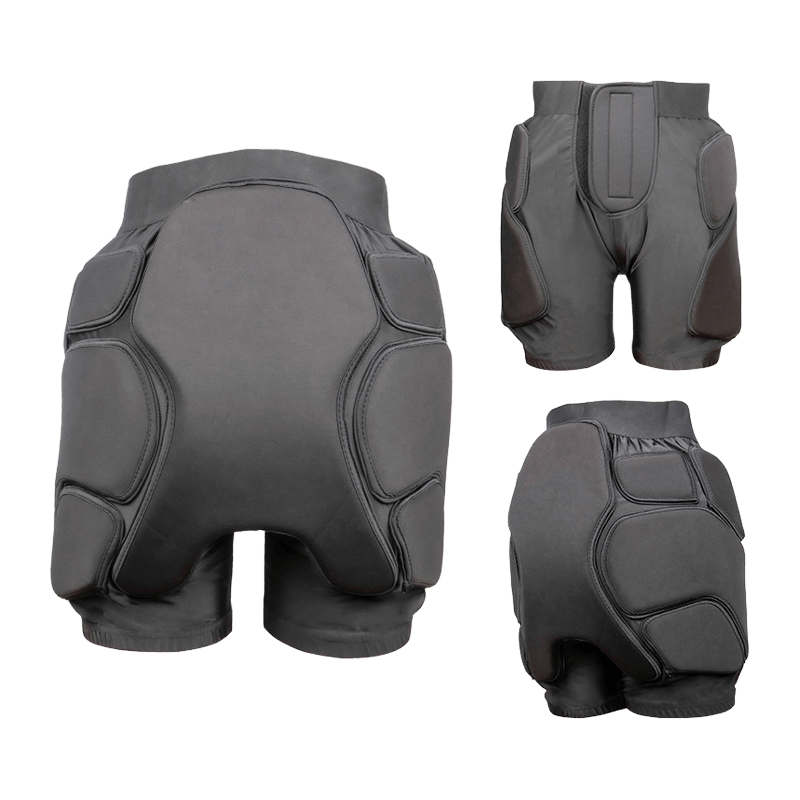
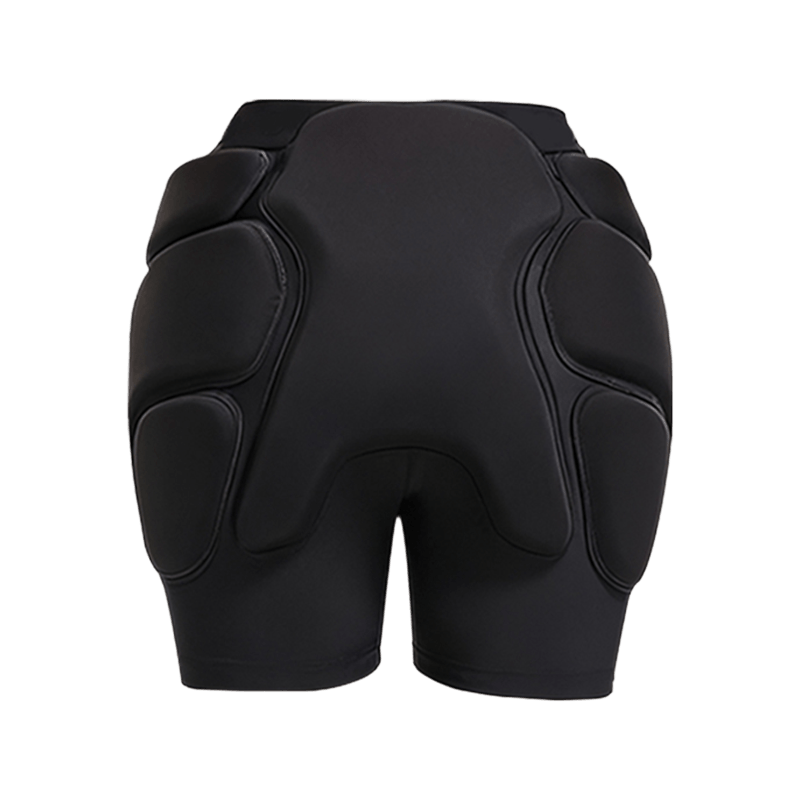
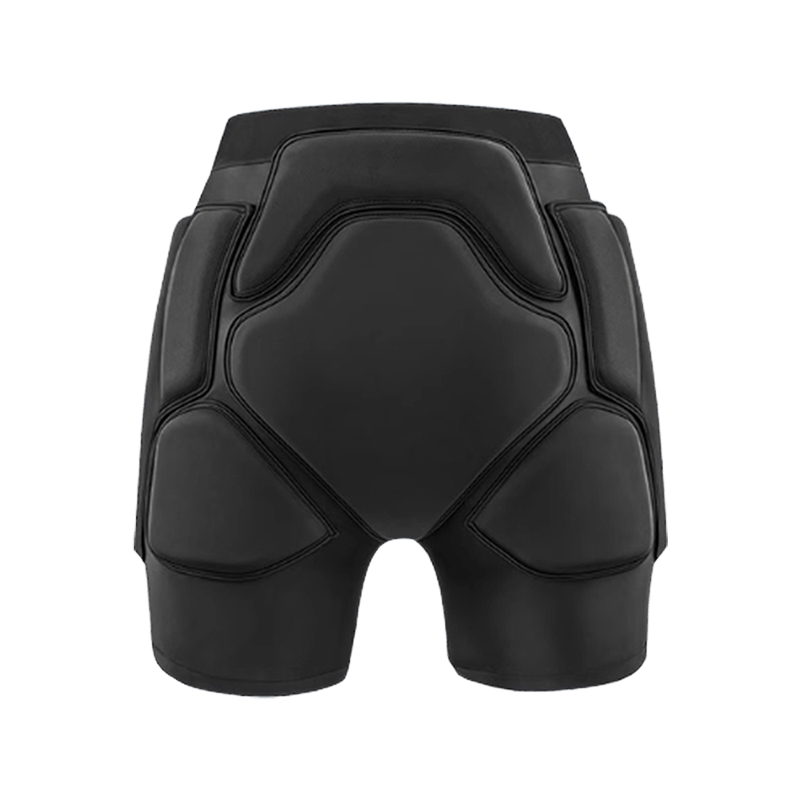
- Hip or tailbone padding
- Optional protective vest systems
Why system protection matters
In real accidents, injury is rarely isolated:
- Hands often hit first during instinctive fall response
- Elbows and knees follow immediately
- Hips and lower back absorb final force
A full system reduces cumulative injury risk by distributing impact across multiple protection points.
Search intent examples:
- full body impact resistant sports gear set for beginners
- multi sport protective gear for skating cycling scooter riding
- lightweight protective gear for outdoor training safety
4. Application Scenarios (Practical, Real-Use Focus)
4.1 Skating & Roller Sports
Skating has one of the highest fall frequencies among recreational sports. Protective gear is often mandatory in beginner training environments.
- Knee pads protect sliding falls
- Wrist guards prevent common fracture points
- Hip padding reduces hard surface impact
4.2 Cycling & BMX Riding
Cycling injuries often happen at moderate speed rather than high-speed crashes.
- Knee pads reduce impact during side falls
- Lightweight gear improves long-distance comfort
- Breathable materials are essential for endurance rides
4.3 Basketball & Indoor Sports
Indoor sports involve frequent jumps, pivots, and sudden direction changes.
- Knee pads reduce landing stress
- Compression-based designs improve joint stability
- Lightweight protection avoids performance limitation
4.4 Youth Training & Beginner Sports Programs
For beginners, the goal is not just protection—it is confidence building.
- Full gear sets reduce fear of falling
- Encourages longer training sessions
- Reduces injury interruptions during learning phase
5. Why Customers Purchase (Procurement Logic)
Customers typically don’t buy protective gear for “extra safety”—they buy it for risk control and continuity of activity.
Key purchasing drivers:
- Injury prevention during learning phase
- Workplace or sports requirement compliance
- Reducing medical cost risk
- Increasing training confidence
- Improving sport endurance without fear of falling
Common buyer profiles:
- Sports equipment distributors
- E-commerce retailers (Amazon / Shopify sellers)
- Skate & cycling training centers
- Youth sports academies
- Outdoor sports brands
Search intent examples:
- bulk sports knee pads supplier for training centers
- OEM protective gear manufacturer for skating equipment brand
- custom impact resistant sports gear factory
6. OEM Manufacturing Capability (Important for B2B Buyers)
Modern buyers are not only looking for products—they are looking for manufacturing partners.
Typical OEM capabilities include:
- Custom logo printing (silk screen / heat transfer / embossing)
- Adjustable sizing systems (youth / adult / professional fit)
- Material customization (EVA foam density, shell hardness levels)
- Color and design customization for brand identity
- Packaging customization for retail or Amazon-ready listing
OEM search intent examples:
- OEM sports knee pads manufacturer China
- custom impact resistant sports gear supplier private label
- factory direct protective gear OEM service cycling skating
7. Strong Customization Advantage (Critical Differentiation Factor)
Customization is no longer optional in competitive markets—it is a core requirement.
Customizable elements include:
- Protection level (light / medium / high impact resistance)
- Material combination (soft shell vs hard shell hybrid systems)
- Ventilation structure for hot climate use
- Elastic system design for different sport intensity levels
- Brand identity integration (logos, packaging, labeling)
For distributors, customization directly affects:
- Market positioning
- Price segmentation
- Brand differentiation in saturated marketplaces
8. Sports Knee Pads vs Full Impact Resistant Gear (Clear Comparison)
| Category |
Sports Knee Pads |
Sports Knee Pads |
| Coverage |
Single joint |
Multi-body zones |
| Use case |
Targeted protection |
System-level safety |
| Flexibility |
High |
Medium to high |
| Best for |
Specific sports or training |
Beginners & high-risk sports |
| Cost level |
Lower |
Higher but more complete |
9. FAQ (Conversion-Focused Filtering Section)
Q1: Do I need full protective gear or just knee pads?
If your activity involves frequent falls (skating, BMX, beginner cycling), full gear is recommended. For controlled sports like gym training or casual riding, knee pads may be enough.
Q2: Are impact-resistant materials heavy or uncomfortable?
Modern protective materials are designed to be lightweight and breathable. Weight depends on protection level and structure design.
Q3: Can sports knee pads be worn under clothing?
Yes. Many models are designed with low-profile compression structures for use under pants or uniforms.
Q4: What is the difference between cheap and professional protective gear?
Professional gear focuses on:
- Energy dispersion efficiency
- Fit stability during movement
- Long-term material durability
Cheaper products often reduce cost by lowering foam density or shell quality.
Q5: Do you offer OEM customization for sports protective gear?
Yes—OEM customization typically includes branding, materials, sizing systems, and packaging solutions depending on market requirements.

 English
 русский
 Español